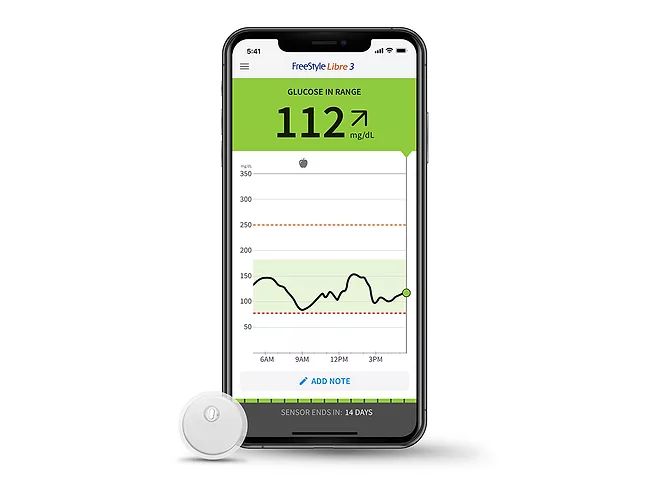
Abbott Laboratories received U.S. FDA clearance for the Freestyle Libre 2 and Freestyle Libre 3 continuous glucose monitoring (CGM) sensors for integration with automated insulin delivery (AID) systems. AID systems automatically adjust and administer insulin via a pump based on blood glucose levels determined by the sensors. Abbott said it was partnering with multiple AID manufacturers in the U.S. and Europe.
U.S. Sen. Bernie Sanders (I-Vt.) sent letters to Sanofi SA and Novo Nordisk A/S executives on March 1, urging them to follow Eli Lilly and Co.’s example in cutting prices for their insulin products, offering more affordable access for Americans with diabetes. Industry leaders, however, have long argued that the problem goes far beyond list price, as pharmacy benefit managers and health plans have simply not passed their rebates onto consumers.
If the Feb. 16 hearing before the U.S. Senate Commerce Committee is anything to go by, it’s almost a given that the bipartisan Pharmacy Benefit Manager (PBM) Transparency Act will eventually be passed by the Senate. But its journey through the Republican-controlled House could be more uncertain in light of growing concerns about an “activist agenda” at the FTC.
By next June or July, Swedish firm Atrogi AB expects to have data from a first-in-human phase Ia/Ib trial of its novel beta-2 adrenergic receptor agonist, ATR-258, which is in development for type 2 diabetes. The study has completed single ascending and multiple ascending-dose arms in 52 healthy volunteers and recently started recruiting 24 patients onto the phase Ib portion.
Tandem Diabetes Care Inc. entered a definitive agreement to acquire AMF Medical SA for CHF 62.4 million (US$67.1 million) in cash at closing plus future payments of as much as CHF 129.6 million (US$139.43 million) contingent on meeting certain milestones. Tandem also invested CHF 8 million (US$8.6 million) in AMF in the third quarter of 2022. The transaction is expected to close in January 2023.
Biocorp Production SA has been awarded 510(k) clearance from the U.S. FDA to market Mallya as a medical device that connects insulin pens. The news, out on Dec. 8, led Biocorp’s stock price to jump 32.69% to $21.52.
Steric hindrance and electrostatic interactions often prevent the subsequent development of clinically relevant nanoparticles to the in vivo stage. Researchers at the Shanghai Institute of Materia Medica, Chinese Academy of Sciences, have now demonstrated the development of nanoparticles exhibiting pH-sensitive properties triggering the stretching of peptides to reveal accessible liver-targeted ligands that can deliver biologically active peptides in vivo.
Medtronic plc’s new Extended infusion set shows the advantages of tending to details. Tubing doesn’t get much respect, but the changes Medtronic made to its set will substantially reduce the burden of disease management for patients with diabetes who use insulin pumps. The Medtronic Extended infusion set can be used for up to seven days, more than doubling the time between changes. The changes also sharply reduced insulin loss, resulting in a 25% reduction in waste of the increasingly expensive medication.
Akston Biosciences Corp. emerged from a successful small company that was sold to a pharma major. For Todd Zion, that’s a back-to-basics move that suits him just fine. Zion co-founded Smartcells Inc. in 2003 with technology developed at the Massachusetts Institute of Technology. The company went on to develop the once-daily injectable self-regulating insulin product, Smartinsulin, and sold it to Merck & Co. in what was at the time one of the largest preclinical pharmaceutical acquisitions ever.
Arecor Therapeutics plc has presented early stage clinical data from a novel concentrated insulin formulation, which it hopes will outperform marketed rivals by allowing lower volume and reduced frequency doses. Cambridge, U.K.-based Arecor presented data at the International Advanced Technologies and Treatments for Diabetes meeting from AT-278, an investigational meal-time concentrated (500 U/mL) novel formulation of insulin.