Sciwind Biosciences Co. Ltd. said Jan. 30 it won Chinese approval for self-developed glucagon-like peptide-1 (GLP-1) receptor agonist, ecnoglutide (Xianyida), to treat adults with type 2 diabetes.
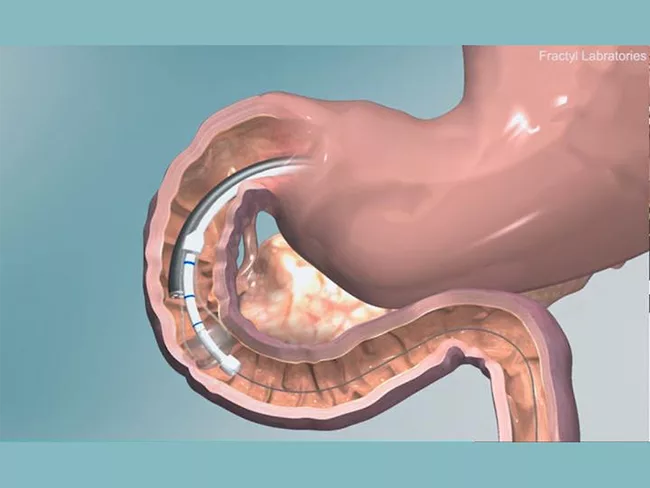
Six-month results from the REMAIN-1 trial showed that Fractyl Health Inc.’s Revita procedure cut post-GLP-1 weight regain by about 70% compared with a sham procedure in patients who discontinued incretin-based drugs such as semaglutide and tirzepatide after achieving substantial weight loss.
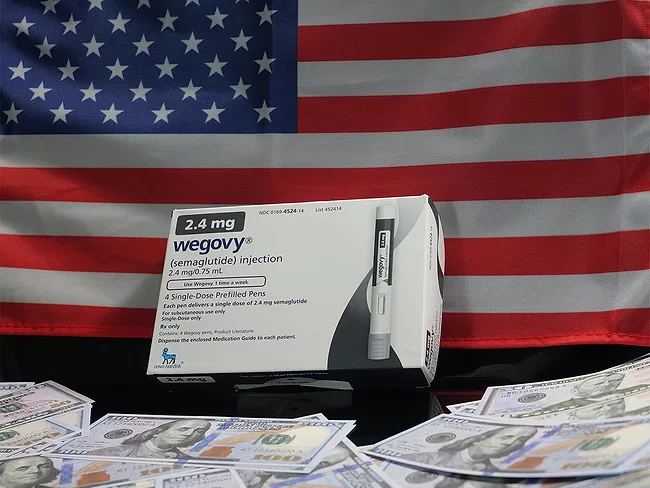
Years after approving three glucagon-like peptide-1 (GLP-1) receptor agonists to treat obesity, the U.S. FDA is acknowledging that the drugs don’t have the same risk seen with older weight-loss medicines. Citing its post-market evaluation that found no increased risk of suicidal ideation or behavior, the U.S. FDA is requesting that the risk be removed from the warnings and precautions section of labeling for the GLP-1 obesity drugs – Eli Lilly and Co.’s Zepbound (tirzepatide) and Novo Nordisk A/S’ Saxenda (liraglutide) and Wegovy (semaglutide).
The newly released 2026 edition of Clarivate’s Drugs to Watch report highlights 11 potential blockbusters that could change treatment paradigms for patients.
Sustaining healthy weight loss is about much more than cutting calories or injecting drugs, as many glucagon-like peptide-1 (GLP-1) receptor agonist users are discovering. Widely seen as miracle drugs, semaglutide, tirzepatide and related medications have transformed the treatment of obesity and diabetes and apparently lessened the need for medical device intervention in many instances. However, many patients will still need surgical intervention to achieve their weight loss goals.
When glucagon-like peptide-1 (GLP-1) receptor agonists entered the market for obesity and overweight indications in recent years, the uptake and enthusiasm drove investor excitement for companies advancing any of the new mechanisms in the space.
In a threshold event in the U.S., Medicare is planning to break through its obesity coverage barrier with a voluntary test of a model designed to enable Medicare Part D plans and state Medicaid programs to cover GLP-1 drugs prescribed for weight management.
With new results from Wave Life Sciences Ltd., Structure Therapeutics Inc. and Ascletis Pharma Inc., obesity management drugs continue to move forward in producing weight loss and move the market.
In a phase II study, Novo Nordisk A/S’s amycretin reduced the weight of type 2 diabetes patients by 14.5% in 36 weeks, a statistically significant loss. The results also produced reduced hemoglobin A1C levels, an average of blood glucose that is used to monitor blood sugar control, below 7% in up to 89.1% of the participants.
Could GLP-1 receptor agonists (GLP-1RAs), already used in obesity and diabetes, be repurposed as drugs to slow aging? Hong Kong, one of the places in the world with the highest human longevity, is also home to a scientific study on the effects of GLP-1RAs. For the first time, scientists at the Chinese University of Hong Kong (CUHK) have assessed their pharmacological potential in later life using a multiomics preclinical approach.