Follow-on biologic makers in China have been working to capitalize on looming patent cliffs of blockbuster biologics. Advancing biosimilars of denosumab (Prolia/Xgeva; Amgen Inc.) and semaglutide are the latest examples.
Follow-on biologic makers in China have been working to capitalize on looming patent cliffs of blockbuster biologics. Advancing biosimilars of denosumab (Prolia/Xgeva; Amgen Inc.) and semaglutide are the latest examples.
The fast-shifting obesity space gained more clinical results as Viking Therapeutics Inc. shared data from its phase I, multiple ascending-dose trial with oral VK-2735, a dual agonist of the glucagon-like peptide 1 (GLP-1) and glucose-dependent insulinotropic polypeptide (GIP) receptors.
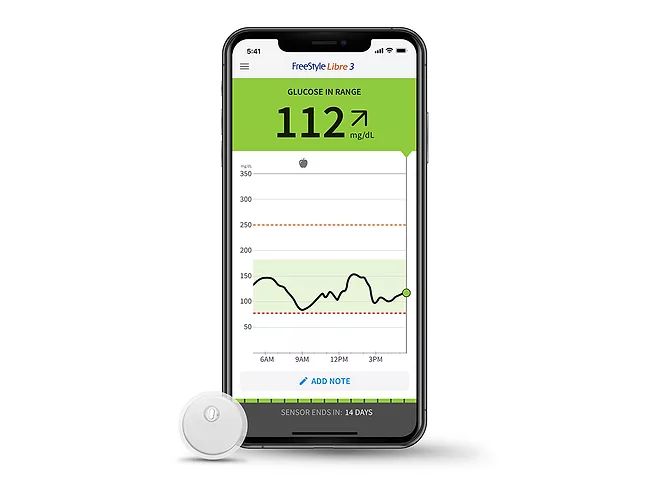
Reports of the death of the market for continuous glucose monitors in individuals with type 2 diabetes are greatly exaggerated, Abbott Laboratories studies show. Far from being unnecessary given the enthusiastic uptake of GLP-1 drugs, the devices significantly improve blood glucose control regardless of the drug used, duration of SLP-1 therapy or use of insulin, presentations at the International Conference on Advanced Technologies & Treatments for Diabetes in Florence, Italy, demonstrated.
Phase I data of oral amycretin, a co-agonist of GLP-1 and amylin receptors from Novo Nordisk A/S, showed a 13.1% reduction in body weight at 12 weeks vs. 1.1% for placebo, pushing shares of the Bagsvaerd, Denmark-based company to their highest levels to date.
The enticing prospect – and proven worth – of dually agonizing the glucagon-like peptide 1 (GLP-1) and glucose-dependent insulinotropic polypeptide (GIP) receptors gained more evidence in a big way from Viking Therapeutics Inc. with VK-2735 in a phase II weight loss study. Shares of San Diego-based Viking Therapeutics Inc. (NASDAQ:VKTX) closed Feb. 27 at $85.05, up $46.57, or 121%, as investors learned that the drug achieved the primary and all secondary endpoints in the phase II study called Venture, with significant body-weight drops at all doses compared to placebo.
The U.K.’s National Institute for Health and Care Excellence (NICE) has given people looking to lose weight another treatment option by recommending endoscopic sleeve gastroplasty (ESG) as a therapy to help treat obesity. The move comes amidst increasing awareness of the disease brought on by the growing prevalence of GLP-1 agonists.
Bioage Labs Inc.’s $170 million series D financing will pay for phase II trials with azelaprag, an apelin receptor agonist, to be tried in combination with Zepbound (tirzepatide), the glucose-dependent insulinotropic polypeptide receptor and glucagon-like peptide-1 (GLP-1) receptor agonist from Bioage partner Eli Lilly and Co.
As Novo Nordisk A/S has struggled with supply of its GLP-1 drug Wegovy (semaglutide), its controlling shareholder, Novo Holdings A/S, has agreed to acquire global contract development and manufacturing organization Catalent Inc. and its more than 50 global sites for $63.50 per share in cash, about $16.5 billion.
A U.K. national health service (NHS) hospital has begun offering Allurion Technologies Inc.’s swallowable gastric balloon to patients struggling to lose weight for surgery. The move is a boon for the company amid rising competition in the weight loss market from GLP-1 agonists.