Sinaptica Therapeutics Inc. received a U.S. FDA breakthrough device designation for its electromagnetic therapy for Alzheimer’s disease. Sinaptistim-AD combines neurostimulation, brain wave monitoring and artificial intelligence (AI) to address the cognitive and functional decline in patients with the neurological disorder.
Dyansys Inc. obtained its second greenlight from the FDA this month for its Primary Relief device to alleviate pain following caesarean-section birth. The company received 510(k) clearance for its First Relief system for painful diabetic neuropathy on July 18. Both systems stimulate nerves on the outer surface of the ear using a percutaneous electrical nerve stimulator (PENS) system.
Investors are backing neurostimulation device company Stimdia Medical Inc. with $16 million, in the first tranche of a series B offering expected to total $30 million. The Minneapolis-based company is developing a device that stimulates the phrenic nerves in a patient’s neck to exercise the diaphragm during mechanical ventilation and minimize ventilation-induced diaphragmatic dysfunction (VIDD).
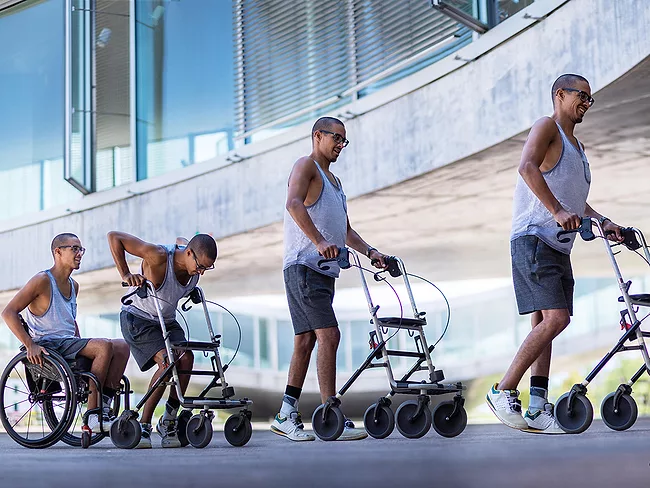
Onward Medical NV reported initial patient enrollment in its Hemon early feasibility study and first-in-human trial of its ARC implantable pulse generator. The study will examine stabilization of hemodynamic function in patients with a spinal cord injury. It is taking place at Lausanne University Hospital (CHUV). “Implanting into a human for the first time is an important step forward for our neurostimulation technology, designed to help refine and implement epidural stimulation therapy in patients with spinal cord injury,” Dave Marver, CEO of Onward, told BioWorld.
Cvrx Inc. secured U.S. FDA approval for magnetic resonance-conditional labeling for its Barostim system, a neuromodulator that improves symptoms of patients with heart failure. With the latest approval, patients with the implanted system can have magnetic resonance imaging (MRI) at 1.5T under the specified conditions.
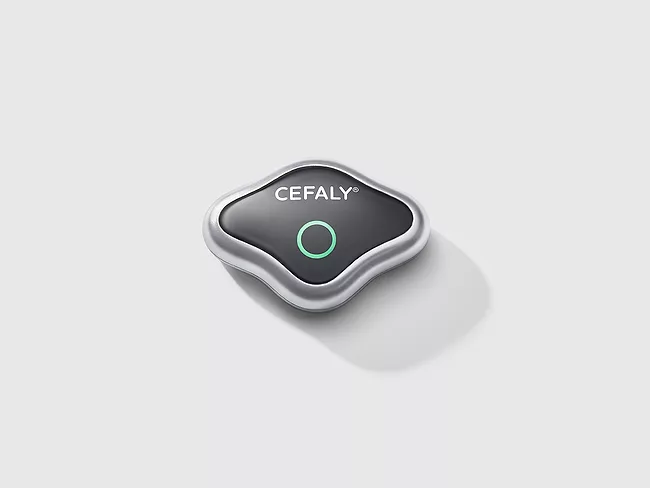
Cefaly Technology sprl reported results from a phase III clinical trial showing that two-hour treatment with its Cefaly Dual external trigeminal nerve stimulation (e-TNS) device is a safe and effective nonpharmaceutical option for acute migraine treatment in a nonhospital setting.
The FDA unloaded on Neurofield Inc. for misbranding of its products, which are only approved as class II biofeedback devices, as neurostimulation and electroencephalogram (EEG) signal processing devices. The warning letter called on “Neurofield to cease any activities that result in the adulteration or misbranding of the Neurofield X3000/X3000 Plus, Neurofield Q21, Neurofield64 and Neurofield EEG.”
The FDA has approved Medtronic plc’s next-generation sacral neuromodulation (SNM) system, Interstim X, giving patients a recharge-free option with a 10-year+ lifespan. This newest member of the Interstim portfolio joins the rechargeable Interstim Micro as a treatment for overactive bladder (OAB), chronic fecal incontinence (FI) and nonobstructive urinary retention.
A neurostimulation device developed to treat focal epilepsy has received breakthrough device designation from the FDA. Precisis AG’s Easee [Epicranial Application of Stimulation Electrodes] minimally invasive system is designed to deliver individualized brain stimulation without neurosurgery. The electrode is placed subcutaneously on the cranium and a current is applied to the affected brain area to prevent or mitigate seizures.
Medtronic plc received FDA premarket approval Friday for use of its Intellis rechargeable and Vanta recharge-free neurostimulators in patients with diabetic peripheral neuropathy (DPN), suddenly tripling the number of spinal cord stimulators approved for the indication. Medtronic’s implantable spinal cord stimulators (SCS) now join Nevro Corp.’s HFX, which has had the distinction since July 2021 of being the only device with FDA approval for DPN, also known as painful diabetic neuropathy (PDN).