In previous work, researchers from CEINGE (Naples, Italy) and collaborating institutions developed an alternative gene therapy strategy based on the expression of a secreted fusion protein, including the extracellular portion of the human LDLR for LDL binding, linked to rabbit transferrin (TF), targeting the transferrin receptor (TFr), resulting in internalization and uptake of LDL particles. They have now published more recent work to further improve the efficacy and safety of this strategy.
Homozygous familial hypercholesterolemia (HoFH) is a genetic condition caused by mutations in the LDLR gene and characterized by severe hypercholesterolemia and premature cardiovascular disease. Repair Biotechnologies Inc. has developed REP-0003, a therapeutic based on the Cholesterol Degrading Platform (CDP) that degrades excessive intracellular free cholesterol into a non-toxic and excretable catabolite to safely reverse cholesterol-rich vulnerable plaque.
When the levels of LDL cholesterol are elevated, there is increased risk for atherosclerotic cardiovascular disease. Lowering these levels contributes to decreasing the risk of major adverse cardiovascular events. EDIT-401 is a CRISPR-based LDL cholesterol-lowering gene-editing approach developed by Editas Medicine Inc.
All kinds of substances circulate through the bloodstream. Some are beneficial, like oxygen or nutrients, and others less so, like waste products, toxins, pathogens and certain trafficking cells. Among these harmful substances are deleterious factors associated with aging, which can prematurely damage different tissues. The big question is what are those factors that mediate such effects, and what can be done to prevent them. The 11th Cardiac Regeneration and Vascular Biology Conference, held on the Island of San Servolo, Venice, from June 30 to July 2, 2025, included presentations, oral sessions and posters addressing the impact of aging on the cardiovascular system.
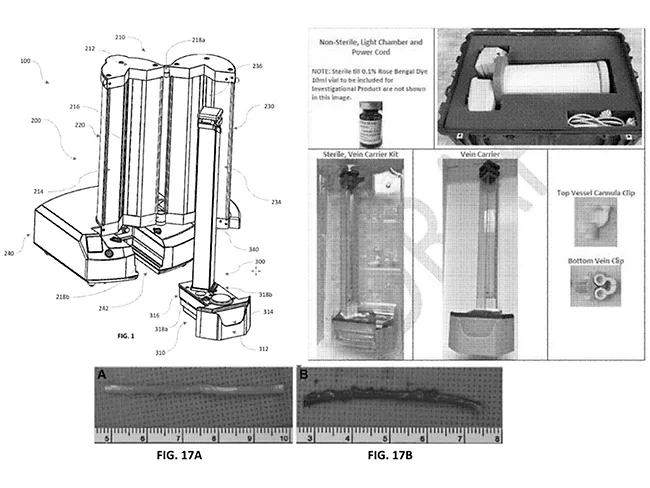
In what represents the first patenting to emerge in the name of Durvena Inc., co-founder and CEO John Ashley describes the development of a treatment for vein grafts that strengthens the graft and reduces the occurrence of intimal hyperplasia that commonly leads to graft failure.
In a study published in Nature Communications, researchers from Nanjing University present a novel nanovaccine cocktail formulated by individual conjugation of antigen p210 and adjuvant CpG ODNs onto superparamagnetic iron oxide nanoparticles (SPIONs).
Atherosclerosis is a chronic inflammatory condition and a known risk for the development of cardiovascular diseases. In animal models of atherosclerosis, macrophage pyroptosis is linked to the development and instability of atherosclerotic plaques, where gasdermin-D (GSDMD) plays a crucial role.
Researchers from Fundación Jiménez Díaz and affiliated organizations have published data from a study that aimed to identify new genes involved in the progression of atherosclerosis, a chronic multifactorial inflammatory disease characterized by the accumulation of lipids and leukocytes within the arterial wall.
A recent study by researchers from Fudan University and Tau Cambridge Ltd. explored a novel therapeutic strategy that combines targeting CD47 with ANGPTL3, a key regulator of lipid metabolism, as a potential treatment for atherosclerosis.
Repair Biotechnologies Inc. and Genevant Sciences Corp. have entered into a collaboration and nonexclusive license agreement to combine Repair’s Cholesterol Degrading Platform (CDP) mRNA technology with Genevant’s proprietary lipid nanoparticle (LNP) technology in the development of a potential novel treatment for atherosclerosis.