In recent work, researchers from Mount Sinai School of Medicine applied a drug repurposing approach to identify candidates that could target inflammation in atherosclerosis.
Seeking to repurpose a validated oncology drug target for atherosclerosis is Bitterroot Bio Inc., a biotech company that introduced itself to the world on the back of a sizable $145 million series A, funds it intends to use to advance its lead monoclonal antibody, BRB-002, toward the clinic.
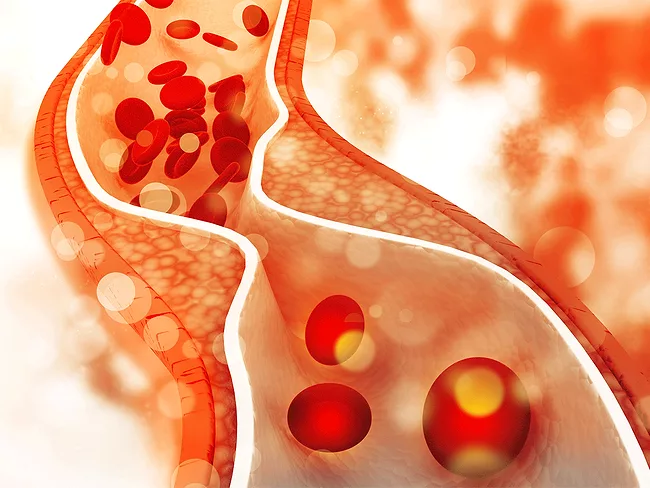
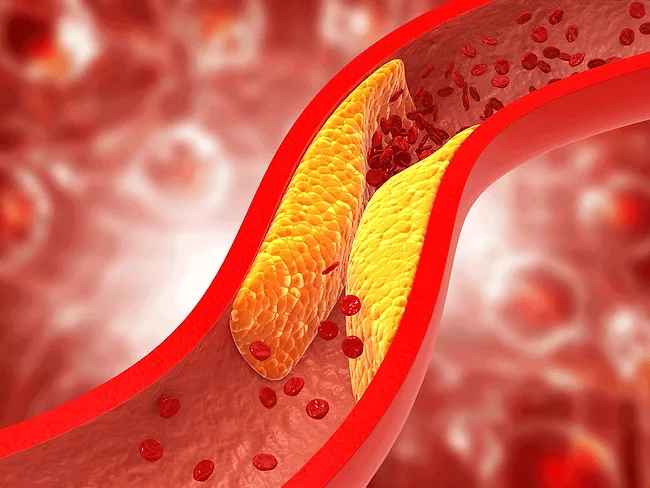
Heart disease caused by damage to blood vessels is the leading cause of death worldwide. Arteries become clogged with fats and cholesterol when certain proteins in the body, known as lipoproteins, combine with and transport fats in the blood to cells. Scientists have long believed that the LDL receptor molecule was responsible for the intracellular transport of LDL. But given that some individuals lacking the LDL receptor still have high levels of LDL, questions remain about the mechanism.
Merck & Co. revealed the structure of an orally active and potent proprotein convertase subtilisin/kexin-type 9 (PCSK9) inhibitor macrocyclic peptide, MK-0616, which is being developed for the potential treatment of hypercholesterolemia and atherosclerosis.
The combination of two sequencing techniques has unveiled features of a subpopulation of cells that could be producing plaques in atherosclerosis. This process is associated with an autoimmune component driven by CD4+ T cells, according to a study from researchers at Leiden University.
The combination of two sequencing techniques has unveiled features of a subpopulation of cells that could be producing plaques in atherosclerosis. This process is associated with an autoimmune component driven by CD4+ T cells, according to a study from researchers at Leiden University.
“I think that we can clearly say now that atherosclerosis is a very clear autoimmune component. It is a multifactorial disease, a combination of genes, and lifestyle, but also inflammation and the immune system,” Ilze Bot and Bram Slütter, associate professors at the Division of Biotherapeutics of Leiden University, told BioWorld.
Shengke Pharmaceuticals (Jiangsu) Ltd. has described proprotein convertase subtilisin/kexin-type 9 (PCSK9) inhibitors reported to be useful for the treatment of atherosclerosis, myocardial infarction, nonalcoholic steatohepatitis, stroke, type 2 diabetes, dyslipidemia, hyperphosphatemia and diabetic nephropathy.
Researchers from Shanghai Institute of Materia Medica and affiliated organizations recently reported the synthesis and evaluation of novel α-pyrone III derivatives as potential therapeutic agents for the treatment of atherosclerosis.
In a study reported in the April 27, 2022, online edition of Nature, an international team of researchers has for the first time demonstrated a three-way interaction between neurons, immune cells and plaques as a key component of atherosclerosis.
Scientists at the University of Connecticut have made progress in understanding the role of the targetable TRPM2 channel in the context of atherosclerosis, as they report in the March 28, 2022, issue of Nature Cardiovascular Research.