TET2 is a master epigenetic enzyme that converts 5-methylcytosine (5-mC) to 5-hydroxymethylcytosine (5-hmC), reprograming tumor cells and causing them to enter a dormant state.
The phase II Initium study of Ultimovacs ASA’s therapeutic cancer vaccine in treating unresectable or metastatic malignant melanoma did not meet the primary endpoint. The company framed the loss by saying the UV-1 vaccine still has other indications where it could succeed.
Researchers from University of California Los Angeles and affiliated organizations published data from a study that aimed to identify novel surface proteins that are highly and selectively expressed in tumors and could serve as targets for chimeric antigen receptor (CAR) T-cell therapies for the treatment of melanoma.
Roughly 35 years after early patient data suggested the potential of tumor-infiltrating lymphocytes (TIL) in cancer, Iovance Biotherapeutics Inc. received U.S. FDA approval for lifileucel, marking both the first autologous TIL cell therapy for commercial use and the first one-time cell therapy for a solid tumor cancer. Branded Amtagvi, lifileucel is cleared for use in patients with unresectable or metastatic melanoma previously treated with a PD-1 blocking antibody, and if BRAF V600 mutation-positive, a BRAF inhibitor with or without a MEK inhibitor
Although treatment outcomes have improved in metastatic melanoma since the use of immune checkpoint blockade (ICB), it still remains a medical challenge. Melanoma cells are thought to adapt several phenotypic states, such as mesenchymal-like state (MES), which may modulate their sensitivity to therapy. An international team of researchers has now investigated the mechanisms behind melanoma cells’ resistance to ICB.
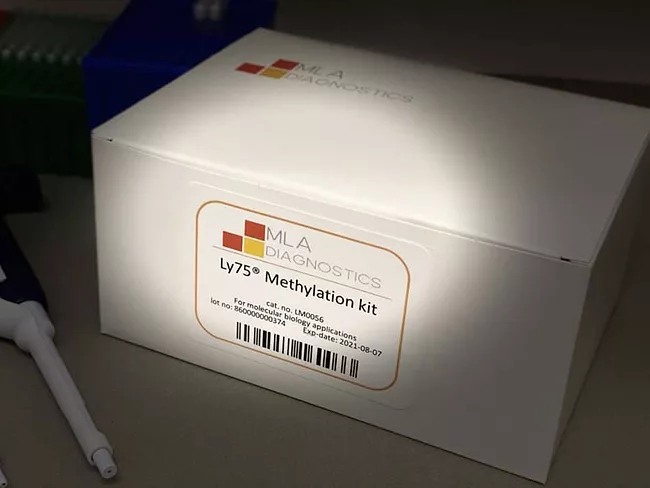
MLA Diagnostics BV secured a strategic seven-figure investment in its recent investment round to support external validation of the company’s melanoma prognosis test. Co-founders NLC Health Ventures and Brightlands Life Sciences Ventures participated in the round along with LIOF, the regional development organization for the Limburg province of the Netherlands.
Replimune Group Inc.’s lead candidate, RP-1 (vusolimogene oderparepvec), took a solid hit as it missed both primary endpoints in the Cerpass phase II study of skin cancer. Despite some better results from the study and good news from other studies along with a plan to drop some programs, the company’s stock still suffered.
Researchers from Multitude Therapeutics Inc. have reported the preclinical profile of AMT-253, a MUC18-targeting antibody-drug conjugate (ADC) under development for the treatment of melanoma. It comprises the anti-MUC18 humanized antibody pAb253-H linked to T1000 exatecan payload and showed superior antitumor efficacy than the traditional vc-MMAE-based ADC AMT-253-M.
KSQ Therapeutics Inc., in collaboration with The University of Texas MD Anderson Cancer Center and the Cell Therapy Manufacturing Center (CTMC), have announced FDA clearance of an IND application for a phase I/II study of KSQ-001EX, KSQ’s lead engineered tumor-infiltrating lymphocyte (eTIL) program.


.webp?height=488&t=1708619318&width=650 "Co-culture that shows the CAR T-cell clusters attacking the tumor cells (in green)")