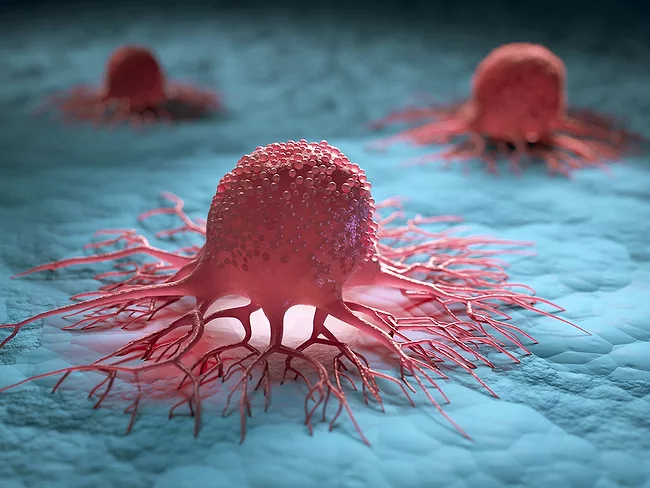
Dana-Farber Cancer Institute Inc. has disclosed covalent inhibitors of serine/threonine-protein kinase A-Raf (ARAF) reported to be useful for the treatment of carcinoma and melanoma.
Proviva Therapeutics Ltd. scientists hypothesized that both the activation of IL-2 receptor (IL-2R) and the blockade of programmed cell death protein 1 (PD-1) are complementary and potentially synergistic as a combination therapy for treating cancer.
Recent work at Southern Medical University, Guangzhou, focused on the discovery and synthesis of imidazoquinoline-based Toll-like receptor 7 (TLR7) agonists as potential candidates for the treatment of melanoma.
Defence Therapeutics Inc. has announced the successful testing of a second-generation anticancer vaccine, ARM-002, using its lead anticancer molecule Accutox. When tested as a therapeutic vaccine in a melanoma cancer model, ARM-002 led to an 80% complete response when combined with an anti-PD-1 immune-checkpoint inhibitor.
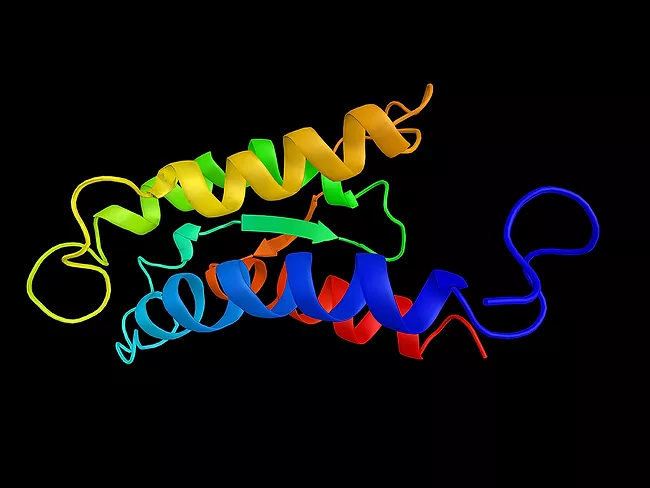
TET2 is a master epigenetic enzyme that converts 5-methylcytosine (5-mC) to 5-hydroxymethylcytosine (5-hmC), reprograming tumor cells and causing them to enter a dormant state.
The phase II Initium study of Ultimovacs ASA’s therapeutic cancer vaccine in treating unresectable or metastatic malignant melanoma did not meet the primary endpoint. The company framed the loss by saying the UV-1 vaccine still has other indications where it could succeed.
Researchers from University of California Los Angeles and affiliated organizations published data from a study that aimed to identify novel surface proteins that are highly and selectively expressed in tumors and could serve as targets for chimeric antigen receptor (CAR) T-cell therapies for the treatment of melanoma.
Roughly 35 years after early patient data suggested the potential of tumor-infiltrating lymphocytes (TIL) in cancer, Iovance Biotherapeutics Inc. received U.S. FDA approval for lifileucel, marking both the first autologous TIL cell therapy for commercial use and the first one-time cell therapy for a solid tumor cancer. Branded Amtagvi, lifileucel is cleared for use in patients with unresectable or metastatic melanoma previously treated with a PD-1 blocking antibody, and if BRAF V600 mutation-positive, a BRAF inhibitor with or without a MEK inhibitor
Although treatment outcomes have improved in metastatic melanoma since the use of immune checkpoint blockade (ICB), it still remains a medical challenge. Melanoma cells are thought to adapt several phenotypic states, such as mesenchymal-like state (MES), which may modulate their sensitivity to therapy. An international team of researchers has now investigated the mechanisms behind melanoma cells’ resistance to ICB.

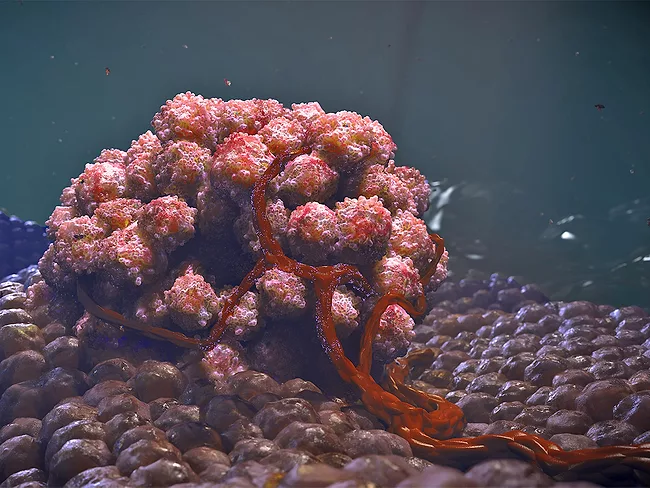


.webp?height=488&t=1708619318&width=650 "Co-culture that shows the CAR T-cell clusters attacking the tumor cells (in green)")