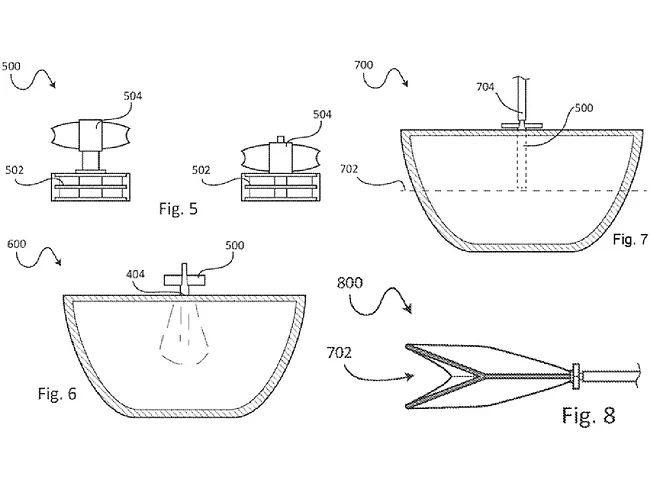
The latest patent filing from Cranius LLC describes a reservoir for its implanted drug delivery devices which is shaped and formed to empty and fill reliably without any concern for neighboring organ impingement or compression, and which can precisely control and monitor exactly just how much of a medicine is being delivered.
Scientists at Taipei Medical University in Taiwan have developed a compound that could prevent resistance to temozolomide in the chemical treatment of glioblastoma.
The company has developed a method of transplantation of human hematopoietic stem cells that allows their engraftment and differentiation into microglial cells.
A blood test developed by Datar Cancer Genetics Inc. for the detection of glial malignancies (GLI-M) could be a breakthrough for the diagnosis and treatment of brain cancer, according to a study published recently in the International Journal of Cancer.
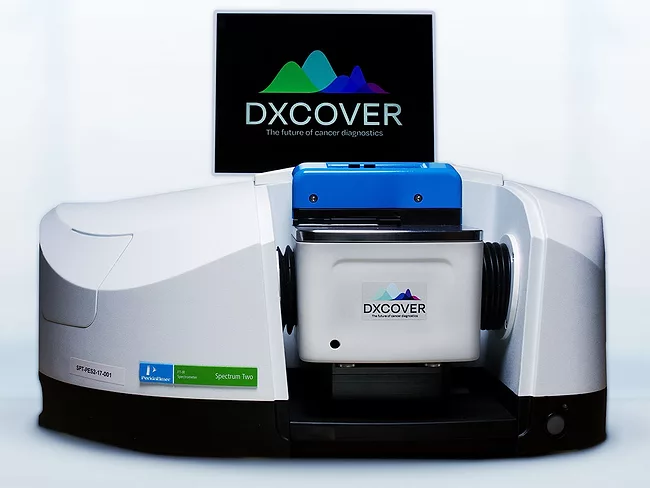
Dxcover Ltd. initiated three pivotal trials to measure the efficacy of its liquid biopsy platform for early detection of brain, colorectal and lung cancers. The company hopes the trials will provide the evidence needed to gain regulatory approval and begin commercial operations of its diagnostic technology in Europe and the U.S.
One of the difficulties for preventing the evolution of a tumor is that cancer progression can be promoted by undifferentiated or migrating cells whose states could follow different directions. At the 40th edition of Barcelona Biomed conferences at the Institute for Research in Biomedicine (IRB Barcelona), which took place from Nov. 27 to 29, 2023, and is entitled “Cancer in Context: Cellular, Tissue, and Organismal Determinants of Malignant Fates,” Angela Nieto presented her latest data on epithelial-to-mesenchymal transition (EMT).
Radiopharm Theranostics Ltd. has entered into an expanded agreement with Terthera BV under which Terthera will supply Radiopharm with Terbium-161 (Tb-161). The Tb-161 isotope will be linked to a proprietary monoclonal antibody to form RAD-402, a radiotherapeutic that is being developed by Radiopharm to target KLK3 expression.
Medific Inc. has described substituted thiazolidinedione derivatives acting as sterol regulatory element binding protein (SREBP; SREBF1) inhibitors reported to be useful for the treatment of cancer, particularly brain cancer.