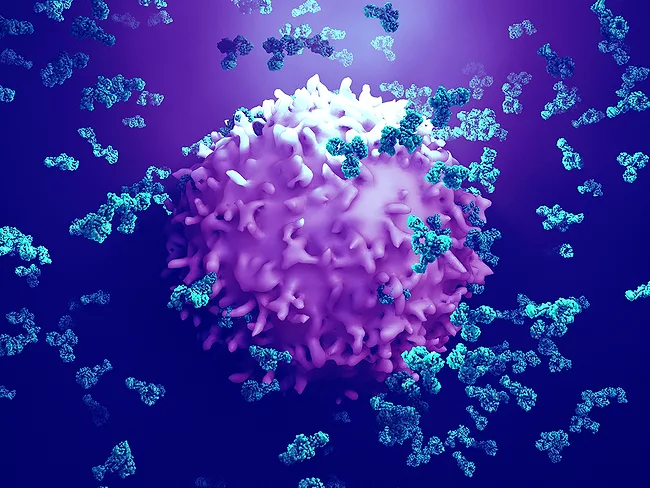
Atreca Inc. and Xencor Inc. have mutually selected the first program from their strategic collaboration combining an Atreca-discovered antibody with Xencor's Xmab bispecific Fc domain and a cytotoxic T-cell binding domain (CD3).
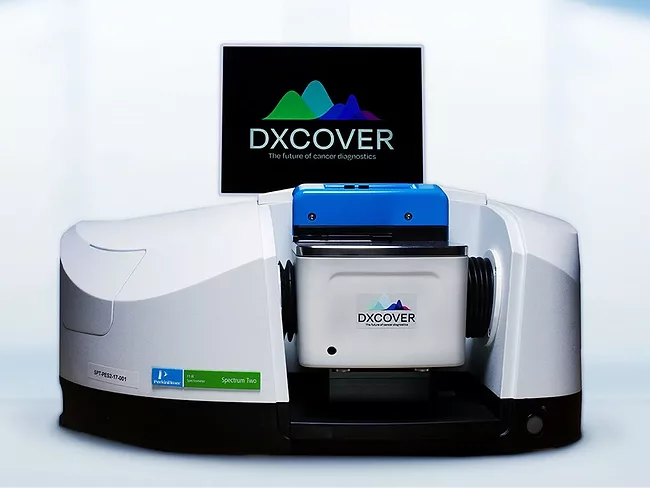
Dxcover Ltd. raised $9.25 million (£7.5 million) in a series A fundraising round and received a grant of $2.7 million (£2.2 million) from the European Innovation Council to support development of the company’s liquid biopsy platform for the detection of multiple early-stage cancers. Existing investors Eos Advisory LLP, Mercia Asset Management plc, Scottish Enterprise, University of Strathclyde, SIS Ventures and Norcliffe Capital led the round, which was also joined by Mark Banforth of Thairm Bio.
Novaccess Global Inc. has announced the approval of its application with the FDA for orphan drug designation for TLR-AD1, a vaccine immunotherapy for the treatment of aggressive brain cancers, including glioblastoma and other high-grade gliomas. The company’s therapeutic path involves a unique transformational process, which involves the addition of proprietary substances to create a cocktail for more personalized treatment that substantially increases clinical benefits for patients.
A germline change in a single nucleotide increased the risk by up to 6-fold of developing an isocitrate dehydrogenase (IDH) mutant low-grade glioma. The rs55705857 genotype could serve as a biomarker before surgery to identify an early glioma.
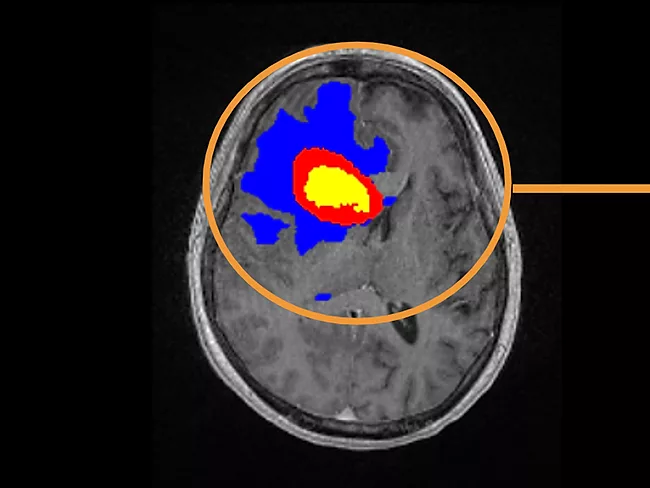
Brain MRIs can reveal a great deal about brain tumors, but tracking response to treatment, clearly delineating edges and identifying other critical information remain problematic. Neosoma Inc.’s recently granted FDA 510(k) clearance may simplify treatment of the most challenging of these tumors, high-grade gliomas. The Neosoma High-Grade Glioma (HGG) neuro-oncology software device uses artificial intelligence to provide detailed measurements and 3D analysis that enable greater precision in procedures and better monitoring.
Sex differences at the cellular level could explain why men respond less well to glioblastoma (GBM) treatments, according to a study led by the Washington University School of Medicine in St. Louis (WUSTL). The researchers found that male and female GBM tumor cells had different metabolic needs. GBM cells from male surgical samples absorbed more glutamine and had different nutritional preferences for amino acids.
The U.S. FDA has granted Alpheus Medical Inc. orphan drug and fast track designations for a therapeutic platform that could improve outcomes for patients suffering from recurrent glioblastoma (GBM), the most common primary brain cancer and among the hardest to treat.
A presentation at the American Society of Clinical Oncology (ASCO) 2022 annual conference demonstrated that the Dxcover Cancer Liquid Biopsy differentiated between patients with cancer and healthy controls and detected more than 90% of stage I malignancies across a broad range of cancers. Dxcover Ltd. provided more details on its new approach to the search for reliable, rapid screening for multiple malignancies at the 12th International Conference on Clinical Spectroscopy on June 21.