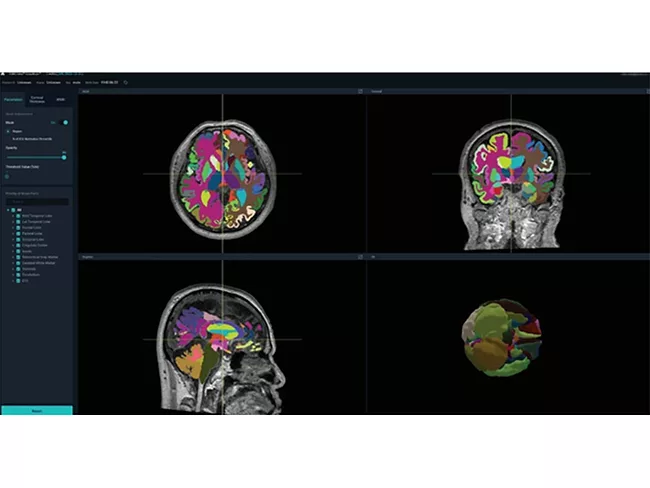
Vuno Inc. gained a U.S. FDA’s 510(k) clearance for its artificial intelligence (AI)-powered brain quantification device, Vuno Med-Deepbrain, to diagnose possible dementia in patients “even before mild cognitive impairment.”
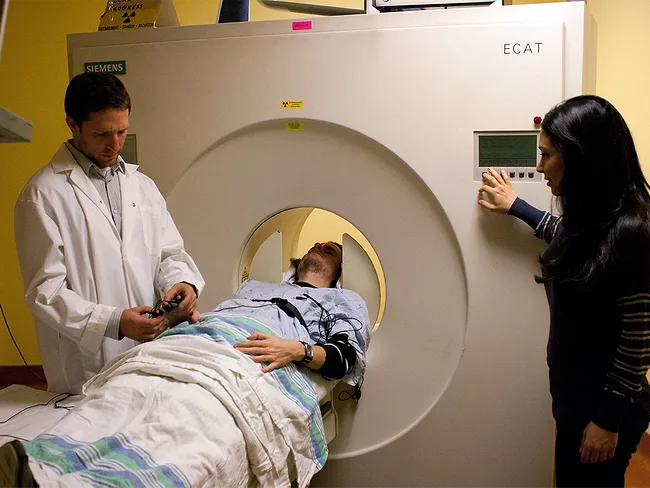
The U.S. Centers for Medicare & Medicaid Services has proposed to terminate the coverage with evidence development requirement for the use of positron-emission tomography (PET) imaging for patients suspected of suffering from beta amyloids, a marker of Alzheimer’s disease (AD). However, CMS is also considering a removal of the coverage policy that limits each patient to a single PET scan per lifetime, although the proposal to allow Medicare administrative contractors (MACs) to determine coverage is drawing fire from industry and physician groups alike.
Subtle Medical Inc. closed a series B financing to develop its artificial intelligence (AI) imaging enhancement solutions. Eastern Bell Venture Capital Management Co. Ltd. and Primavera Venture Partners lead this round of financing.
The Massachusetts Institute of Technology (MIT) has developed collagen mimetic peptides for PET imaging to detect idiopathic pulmonary fibrosis (IPF), with [68Ga]DOTA-CMP showing selective identification of fibrotic collagen in vivo.
PERTH, Australia – Melbourne-based Telix Pharmaceuticals Ltd. has linked up with Hong Kong-listed China Grand Pharmaceutical and Healthcare Holdings Ltd. (CGP) in a licensing and commercial deal worth AU$400 million (US$285 million) plus sales royalties.
TORONTO – Montreal’s McGill University and the Montreal Neurological Institute-Hospital (The Neuro) have entered a research agreement with Pasadena, Calif.-based Fuzionaire Diagnostics Inc. to detect and treat neurodegenerative diseases through molecular imaging.
San Diego-based Cortechs Labs Inc. has developed an automated PET image analysis tool that identifies changes in specific brain structures associated with Alzheimer’s disease, vascular dementia, epilepsy, multiple sclerosis and other neurological disorders.
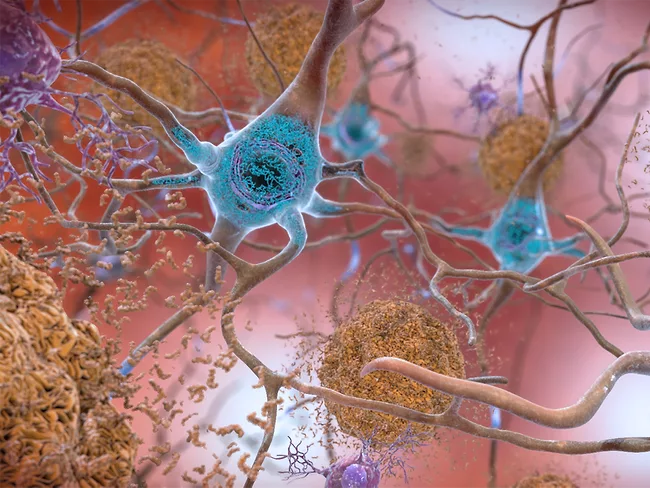
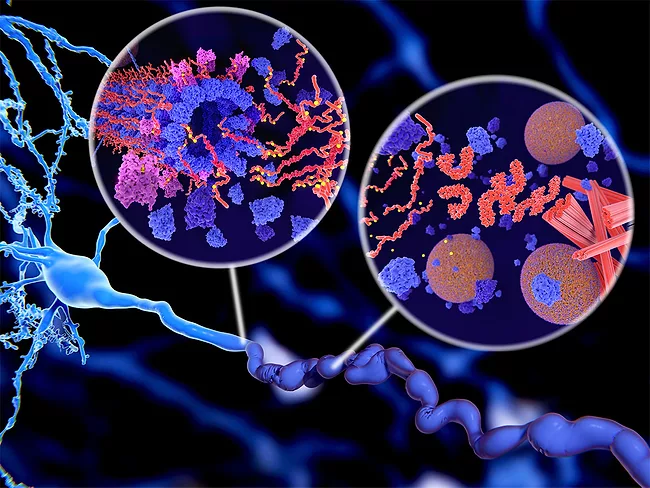
Amyloid and tau proteins are both involved in the disease pathology of Alzheimer’s disease. The diagnostic and treatment research focus has long been on amyloid, which has proven almost entirely fruitless after decades of effort. But tau is becoming better understood, as investigational tau imaging agents offer the ability to visualize its presence in the brain.
TORONTO – “I don’t want this to die in the lab. We’re putting a lot of effort into this and we have to commercialize it.” With those words Oleksandr Bubon, chief technology officer of Thunder Bay, Ontario-based startup Radialis Inc., in 2016 reported ambitious plans for an imaging device that detects early stage cancer tumors in the densest breast tissue. Not only will its novel “gapless” design prevent radiation needed to treat cancer cells from escaping, a common problem in conventional positron emissions tomography (PET), its manufacture and commercialization starts here in a northern Ontario city of just over 110,000 people.
There are a pair of approved CAR T drugs, Yescarta (axicabtagene ciloleucel) from Gilead Sciences Inc. and Kymriah (tisagenlecleucel) from Novartis AG, that have been available since 2017 for a few hematological cancers including some lymphomas and leukemias. But little is known about how these engineered chimeric antigen receptor T cells that both target CD19, an antigen prevalent in the cells of many B-cell malignancies, move through the body and proliferate after they are first removed, altered, expanded in number and, finally, returned to a patient's body.