Seeking to increase their understanding of the opportunities and challenges of using digital health technologies (DHTs) in drug trials, the U.S. FDA’s CBER and CDER are requesting public feedback to help inform new guidance as the technologies continue to advance.
The U.K. Medicines and Healthcare products Regulatory Agency (MHRA) is to offer an early review of nonanimal data to give companies more confidence that evidence generated with new approach methodologies, such as organoids and microphysiological systems, will be accepted as part of marketing authorization applications.
NIH Director Jay Bhattacharya is being fact-checked on his off-the cuff responses at a Senate Health, Education, Labor and Pensions Committee hearing in February. The fact-checkers are nine Democratic lawmakers from Massachusetts, only one of whom (Sen. Ed Markey) is on the committee and attended the hearing. In fact, seven of those signing the March 17 letter that questioned Bhattacharya’s veracity aren’t senators. They serve in the House.
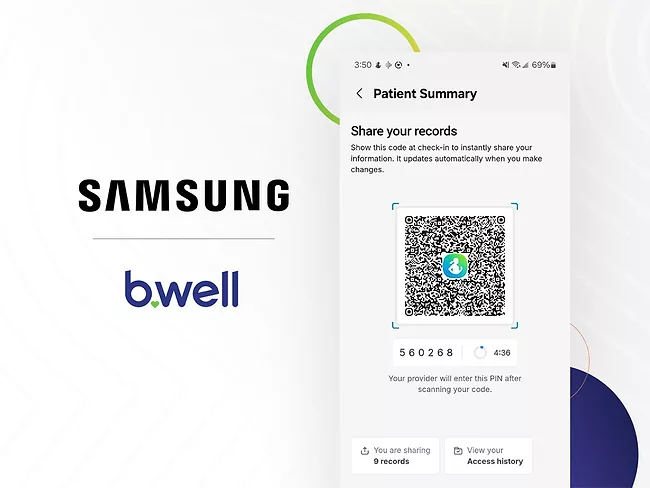
Samsung Electronics Co. Ltd. is partnering with Verily Life Sciences LLC, an Alphabet Inc. company, and B.well Connected Health to turn Samsung Galaxy phones and smart watches into the “front door” of U.S. health care.
Samsung Electronics Co. Ltd. is partnering with Verily Life Sciences LLC, an Alphabet Inc. company, and B.well Connected Health to turn Samsung Galaxy phones and smart watches into the “front door” of U.S. health care.
The U.S. FDA’s expectations that its new default position of basing marketing authorization of novel drugs on one adequate, well-controlled trial may be overstated. In explaining the policy in a recent article in TheNew England Journal of Medicine, FDA Commissioner Marty Makary and CBER Director Vinay Prasad said they expect the initiative will create a “surge in drug development,” substantially reduce development costs and will speed drugs to market. While the initiative could reduce the time to the U.S. market, those expectations don’t take into consideration global norms and payer expectations.
Hand wringing over what support Europe’s biopharma sector needs to stay competitive has intensified since the European Commission unveiled its proposal for an EU Biotech Act in December 2025, and the latest contribution to the debate is a comparative analysis of how 10 countries have strengthened their biopharmaceutical ecosystems post-COVID-19.
At a time of global transition for life sciences, with China stepping up the pace of innovation and the U.S. adopting protectionist policies, the health innovation region in Catalonia, Spain, is emerging as one of the most dynamic hubs in Europe. Last year, the region, centered on Barcelona, saw growth of 8.3% over 2024, and there are now 1,650 companies, including 423 biotechs, 259 digital health specialists and 238 med techs.
At a time of global transition for life sciences, with China stepping up the pace of innovation and the U.S. adopting protectionist policies, the health innovation region in Catalonia, Spain, is emerging as one of the most dynamic hubs in Europe. Last year, the region, centered on Barcelona, saw growth of 8.3% over 2024, and there are now 1,650 companies, including 423 biotechs, 259 digital health specialists and 238 med techs.
Moving away from a one-size-fits-all approach, the U.S. FDA's CBER released details Jan. 11 about how it’s leveraging its growing experience with cell and gene therapies (CGTs) to exercise greater regulatory flexibility in chemical, manufacturing and control requirements for the products.