The C-suite at Dexcom Inc. is breathing easy with the company having snagged CE marking for its latest continuous glucose monitoring (CGM) system, the G7, less than two weeks after receiving FDA breakthrough device designation for its CGM for hospital use. “This all-new platform offers an incredibly powerful CGM that is simple to use, providing our users with insightful glucose data on one screen that helps them spend less time managing diabetes and more time doing the things they love. Dexcom G7 takes everything people love about G6 and makes it even better,” said Dexcom CEO Kevin Sayer.
The FDA’s device center has long been at the task of reclassifying legacy devices that promise a moderate degree of risk, but successful de novo device applications also call for a class II listing. The agency recently posted five such risk classifications, including for a device developed by Edwards Lifesciences Corp., of Irvine, Calif.
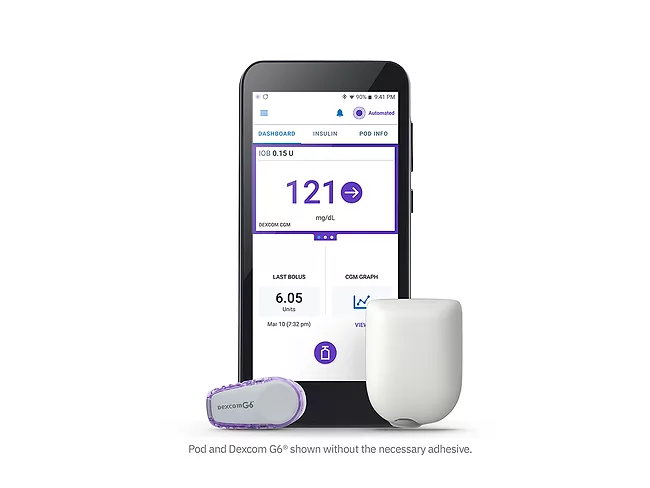
Insulet Corp. received FDA clearance for its Omnipod 5 closed-loop automated insulin delivery (AID) system for patients aged six and older who have type 1 diabetes on Friday, Jan. 28, making it the first tubeless “artificial pancreas” system to get the FDA greenlight. The Omnipod 5 works with Dexcom Inc.’s widely used G6 continuous glucose monitor (CGM) to self-adjust insulin dosing using its Smartadjust algorithm.
Diabetes care will continue to evolve in 2022. New digital offerings and advanced algorithms, along with new product launches in insulin pumps and continuous glucose monitoring (CGM) will power growth in the future, according to key analysts. While many medical device sectors have suffered during the COVID-19 pandemic, diabetes care has continued to grow.
It may be a small country, but Lithuania has lofty ambitions. The Baltic country is emerging as one of Europe’s rising life science stars, with annual growth of 22% and targeting 5% of its GDP to be generated by the life sciences sector in 2030. Export of medical devices has also doubled since 2008, with majority of the country’s production reaching the U.K., France, Russia, Spain and the U.S.
The latest global regulatory news, changes and updates affecting medical devices and technologies, including: FDA hits company for deviations from drug, device GMPs; Stryker undertakes correction for AEDs; MHRA: Creams, ointments may interfere with CGM function; NICE says liver perfusion suffers for want of evidence of efficacy; NIAID testing vaccine allergy hypothesis; EC provides emergency funding for COVID-19 research; Medtronic splits Ninth Appeals’ review of lower court decision; Industry, docs push back on prior authorization.
The latest global regulatory news, changes and updates affecting medical devices and technologies, including: NICE reviews Dexcom’s G6; Ortho claims EUA for antigen test with 100% sensitivity.
Abbott Laboratories is celebrating another win with its continuous glucose monitoring (CGM) technology. This time, the company revealed that it has scored the CE mark for its next-generation Freestyle Libre 3 system. Wells Fargo’s Larry Biegelsen noted that the arrival of the CE mark came slightly earlier than his group had expected.
Dexcom Inc. has partnered with the University of Virginia (U.Va.) to accelerate development of next generation continuous glucose monitoring (CGM) and automated insulin delivery technology. The five-year agreement will focus on expanding CGM use in type 2 diabetes, gestational diabetes and in-hospital settings.
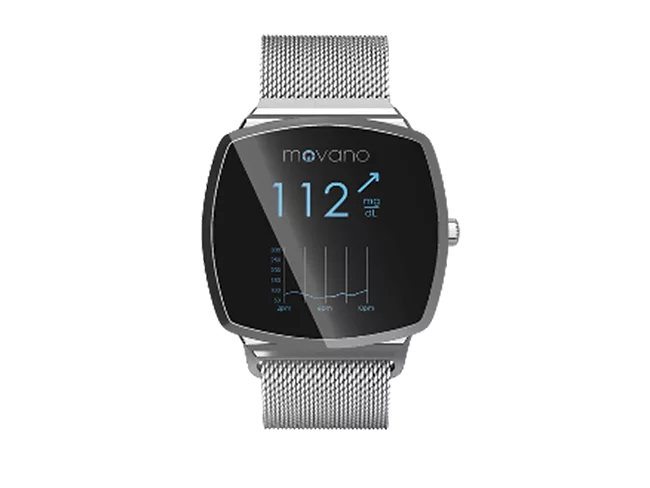
Commercial continuous glucose monitors (CGMs) require some access to a patient’s blood, typically through tiny needles embedded in a wearable patch sensor. But Movano Inc. is working to develop a CGM that is based on radio frequency technology to monitor glucose levels via a noninvasive, external wearable, likely in a form factor akin to a watch or a wrist-worn fitness wearable.