News out of the Heart Rhythm Society 2024 meeting May 16-19 highlighted the rapid disruption pulsed field ablation (PFA) devices have wrought in cardiac arrhythmia treatment, so it is little surprise to see that PFAs are among the top five technologies with transformative potential identified by Clarivate plc in its Medical Technologies to Watch in 2024 report. The impact of the other four – continuous glucose monitors (CGM) for diabetes, neurostimulation devices, surgical robotics and renal denervation – has been just as revolutionary, if longer in being realized.
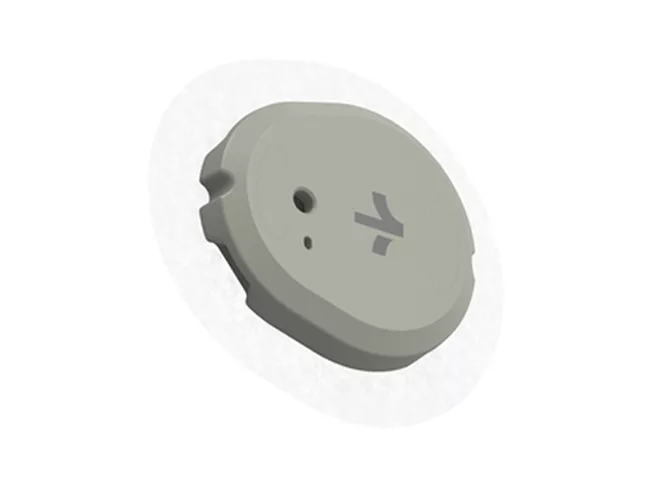
In a sweet indication of an improving capital market for med-tech companies, Biolinq Inc. landed $58 million in bridge financing to support completion of the U.S. pivotal trial of its intradermal glucose sensor and submission to the U.S. FDA. The round brings the total raised to more than $170 million. With good response so far, the company is optimistic that it can attract more funding in short order. “Biolinq also plans to raise a series C financing of more than $100 million to support commercialization at the end of this year,” Biolinq CEO Rich Yang told BioWorld.
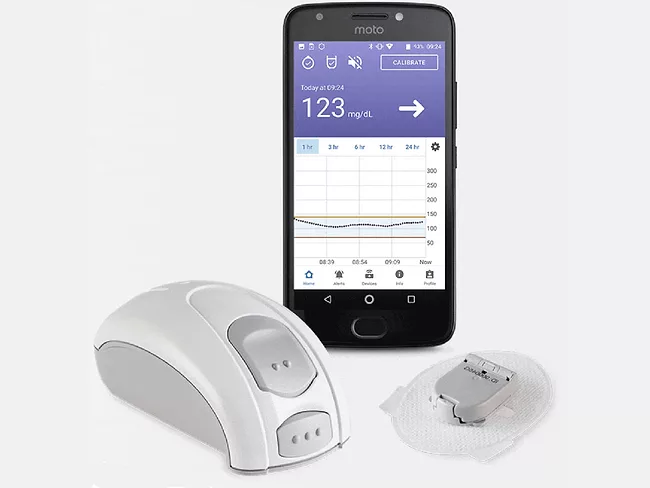
Roche AG debuted a new continuous glucose monitor (CGM) at the Advanced Technologies & Treatments for Diabetes conference in Florence, Italy, last week, but how appealing users will find it remains unclear – as is the market opportunity given the entrenched position of Abbott Laboratories and Dexcom Inc.
In a grand slam for Dexcom Inc., the U.S. FDA cleared its Stelo glucose biosensor system for over-the-counter marketing, making it the first integrated continuous glucose monitor available without a prescription. Designed for use by the 25 million adults with diabetes who do not use insulin and do not have problematic hypoglycemia, the FDA indication expanded the clearance for Stelo to include individuals without diabetes “who want to better understand how diet and exercise may impact blood sugar levels,” dramatically expanding the market opportunity.
Insulet Corp. received the greenlight from EU regulators to combine its Omnipod 5 automated insulin delivery (AID) system with Abbott Laboratories Freestyle Libre 2 Plus sensor to treat individuals aged two years and older with type 1 diabetes.
Kakao Healthcare Corp. launched an artificial intelligence (AI)-powered mobile application called PASTA on Feb. 1 for continuous glucose monitoring (CGM)-based diabetes care. PASTA pairs with two types of CGM sensors, either from Seoul-based I-sens Inc.’s Caresens Air or San Diego-based Dexcom Inc.’s G7 system.
Trinity Biotech plc. paid $12.5 million to acquire Waveform Technologies Inc.’s biosensor and continuous glucose monitoring (CGM) assets. It also formed a partnership with Bayer AG to launch a CGM biosensor in China and India. These moves are part of Trinity’s transformation strategy to become a leading player in wearable biosensor technology.
Investors bailed on many med-tech companies last year, fearing that the frenzy surrounding GLP-1 agonists would tank companies in the weight-loss, diabetes and orthopedics segments. Their concerns now appear overblown in many instances, with some of the most directly affected businesses reporting a “rising tide” associated with an increased focus on obesity treatment that has lifted their boats rather than sinking them.
The U.S. Patent and Trademark Office’s inter partes review mechanism has drawn uneven reviews in the past decade or so and Dexcom Inc. has serious misgivings about an attempt by Abbott Diabetes Care Inc. to use the process to invalidate Dexcom patents for continuous glucose monitors.
Dexcom Inc. achieved the first integrations of an automated insulin delivery system (AID) approved for use in the U.S. with its G7 continuous glucose monitoring (CGM) integrating with Tandem Diabetes Care Inc.’s T2:slim X2, announced on Dec. 6, and integration with the Ilet Bionic Pancreas made by Beta Bionics Inc. revealed on Dec. 7.