The U.S. FDA has announced a class I recall for the Wallstent Monorail system by Boston Scientific Corp. of Marlborough, Mass, a device for treatment of carotid artery stenosis. The company advised customers in early July to return any unused inventory because the inner diameter of the stent is narrower than intended, which may lead to difficulties in extracting the delivery device after placement of the stent.
Medtronic plc expects its Hugo robotic-assisted surgery system to be a key growth driver, especially when it receives U.S. FDA approval. Already approved for use in Europe, Medtronic recently received CE mark for the Ligasure technology to be used with the Hugo RAS system, expanding its capabilities for gynecologic, general and urologic procedures, across the region.
Several cardiology societies in the U.S. have updated their guidelines for management of hypertension, which for the first time includes and endorsement of renal denervation (RDN). Two companies are poised to benefit from the news, including Medtronic plc with its Symplicity Spyral device and Recor Medical Inc., and its Paradise RDN system.
An advisory committee for the U.S. Centers for Medicare & Medicaid Services endorsed a series of patient- and clinician-reported outcomes that might not be reflected in the evidentiary bases for currently available technologies. This development suggests some manufacturers will have to conduct new studies of their devices in order to sustain Medicare coverage.
Boston Scientific Corp. handily beat expectations for sales growth and profits in the second quarter, led by 117% growth for its Farapulse pulsed field ablation system in the U.S. and 23% overall organic increase in revenue for cardiology. The company cut the expected impact of tariffs by 50% and raised guidance for earnings per share and sales for the year.
To the surprise of no one in the device industry, the Medicare national coverage analysis for renal denervation (RDN) includes both radiofrequency and ultrasound technologies, but the agency has listed a range of specialists to be part of the patient’s care team, including but not limited to an endocrinologist.
The U.K.’s National Institute for Health and Care Excellence (NICE) recommends the use of pulsed field ablation as an option to treat NHS patients with atrial fibrillation. NICE said evidence shows the procedure reduces atrial fibrillation and its symptoms, increases quality of life in the short term and raises no major safety concerns.
Boston Scientific Corp. gained a second U.S. FDA approval for its Farapulse pulsed field ablation catheter, expanding its use into drug-refractory, symptomatic persistent atrial fibrillation (AF) in addition to its existing approval for paroxysmal AF. The expanded indication marks the first of several regulatory approvals the company expects in the coming months.
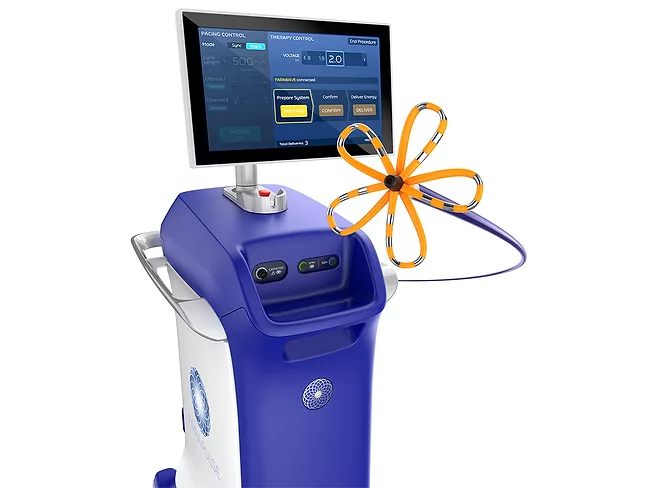
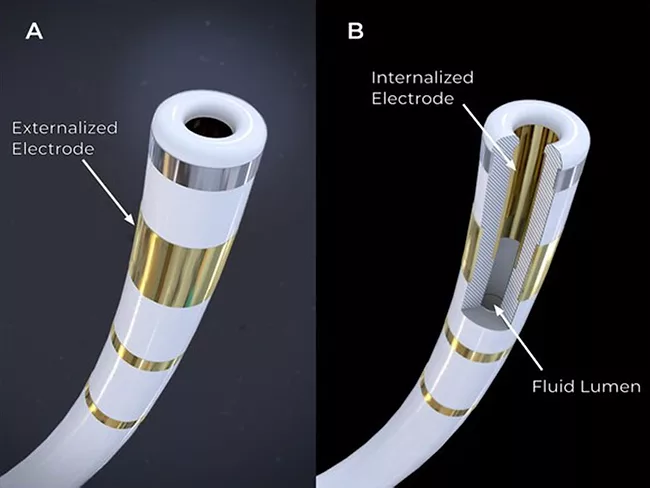
Field Medical Inc. continues to reap funding from investors for its pulsed field ablation (PFA) system with a $35 million oversubscribed series B financing round. With treatment of atrial fibrillation already upended by PFA technology, Field sees ventricular tachycardia as a fertile new territory for transformation.
The House of Representatives passed H.R. 1, also known as One Big Beautiful Bill, which will restore personal income tax cuts that expired in 2022. However, the bill also restores research and development tax credits, a provision that drew immediate praise from industry.