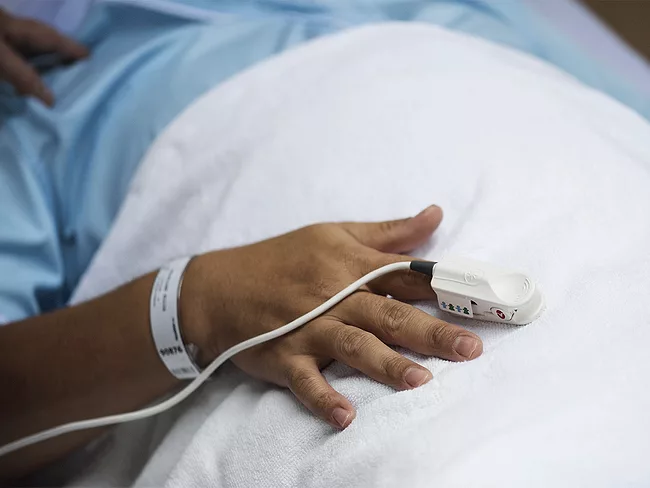
The U.S. FDA’s latest draft guidance on pulse oximeters drew comment from the International Standards Organization and the International Electrotechnical Commission, which are making the case that in addition to differences in pigmentation, the pulsatility of the tissue in contact with the device is also a factor in device performance.
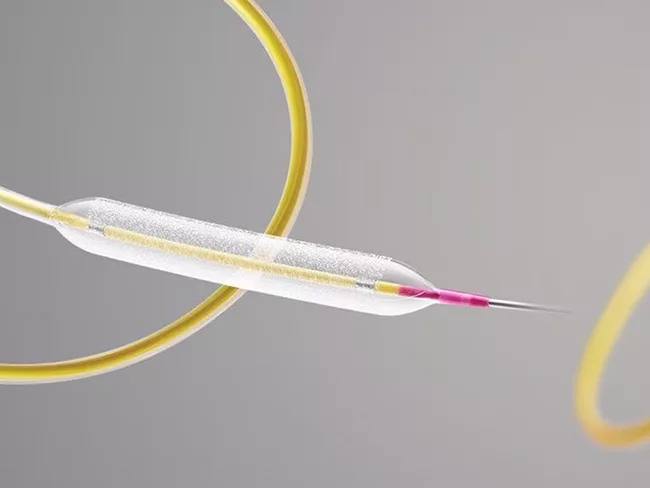
Medtronic plc reported results from a registry highlighting the effectiveness of the Prevail paclitaxel-coated balloon. The findings from the Swedish Coronary Angiography and Angioplasty Registry (SCAAR) were presented by Sacharias von Koch of the department of cardiology and clinical sciences at Lund University, Skåne University Hospital in Sweden at the Cardiovascular Research Technologies 2025 meeting in Washington.
Medtronic plc released positive results from a two-year trial of Evolut TAVR that demonstrated superior valve performance in patients with small aortic annuli.
Boston Scientific Corp. agreed to acquire Sonivie Ltd., developer of a therapeutic intravascular ultrasound system for denervation to treat resistant hypertension, pulmonary hypertension and chronic obstructive pulmonary disease. On a 100% basis, the deal is valued at $600 million with $400 million up front and $200 million upon achievement of a regulatory milestone.
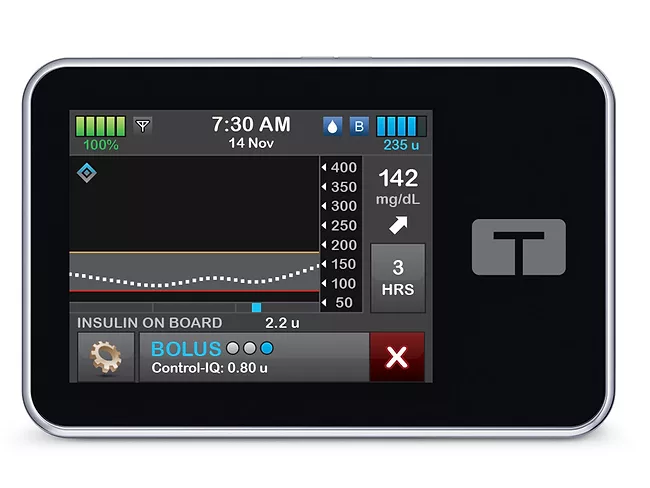
Tandem Diabetes Care Inc. reported that its next-generation automated insulin delivery algorithm, Control-IQ+ technology (Control-IQ+), is cleared by the U.S. FDA for use by people with type 2 diabetes (T2D) ages 18 and older.
Newronika SpA's AlphaDBS recently secured an investigational device exemption from the U.S. FDA allowing it to begin a pivotal trial to evaluate the safety and efficacy of its adaptive deep brain stimulation system in patients with movement disorders, including Parkinson's disease.
The U.S. FDA’s device center hasn’t issued news bulletins or guidances in the past week, but the march of device recalls continues apace in the month of February.
As pulsed field ablation transformed the electrophysiology market over the last year, Boston Scientific Corp. emerged as the biggest winner by far. In its fourth quarter earnings call on Wednesday, the company quantified just how successful its Farapulse PFA system has been.
Concluding a two-year journey, Baxter International Inc.’s kidney care unit finally separated from the company and started a new life as Vantive, following the closing on Jan. 31 of its $3.8 billion sale to the Carlyle Group Inc.
A pair of investor calls on Jan. 22 added clarity to the rapidly evolving cardiac ablation market with Abbott Laboratories and Johnson & Johnson providing updates on their pulsed field ablation programs. Both outlined challenges in the U.S. market that continue to place them at a disadvantage compared to current market leaders Boston Scientific Corp. and Medtronic plc, though bright spots also shone through.