Myosin Therapeutics Inc. has obtained IND clearance by the FDA for MT-125. A phase I study will evaluate MT-125 in combination with standard-of-care radiation in patients with newly diagnosed IDH wild type, MGMT unmethylated glioblastoma.
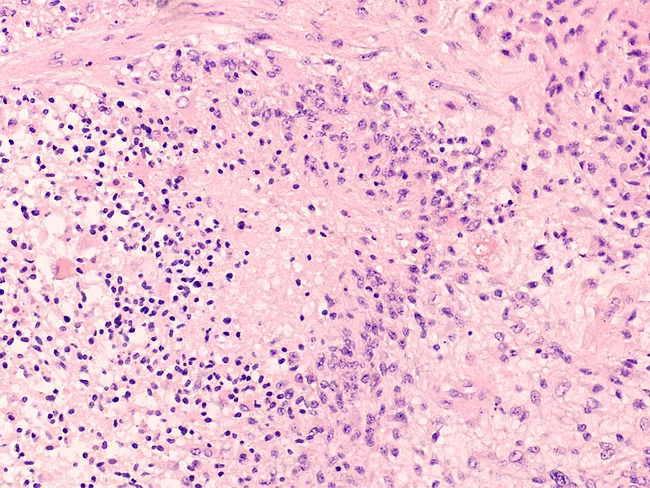
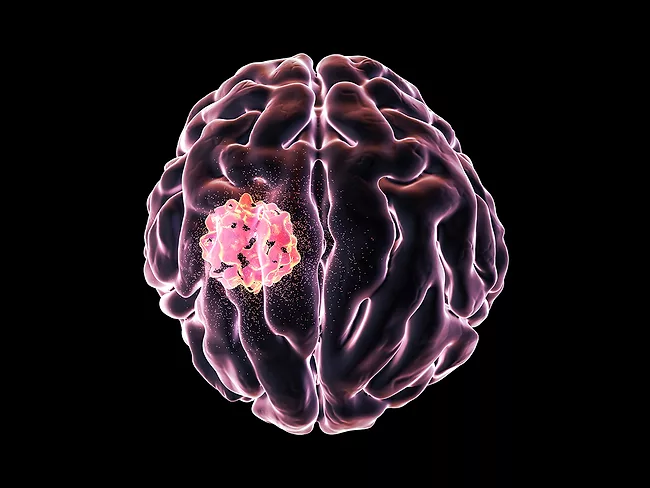
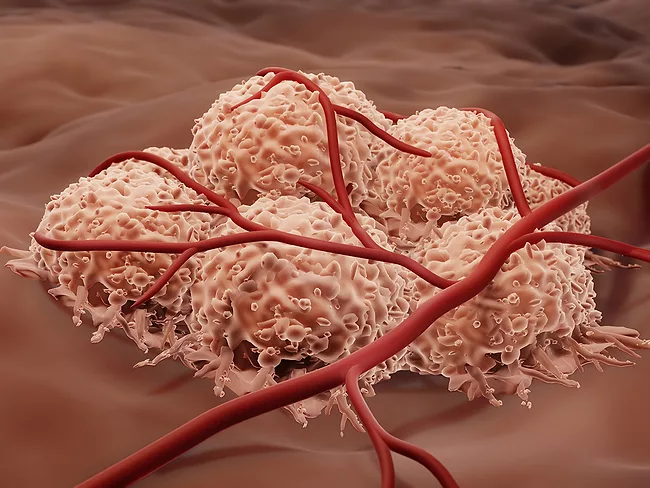
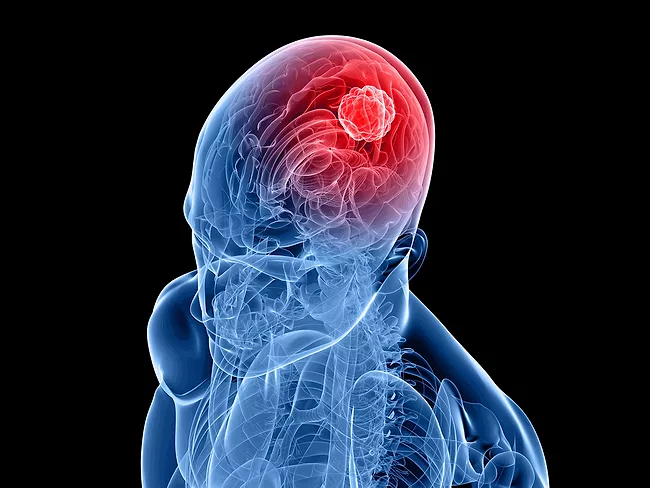
Glioblastoma is the most common and aggressive malignant brain tumor in adults. Although microtubule-targeting agents (MTAs) are among the most widely used first-line therapies in cancer, their efficacy in glioblastoma is limited by poor penetration of the blood–brain barrier.
Glioblastoma (GBM) is an aggressive cancer from the CNS usually characterized by a very bad prognosis. It is known that around 30%-35% of patients with GBM develop epilepsy as a comorbidity of the disease.
Rznomics Inc. scored a potential ₩1.9 trillion (US$1.35 billion) global license option agreement with Eli Lilly and Co. to codevelop a novel RNA editing gene therapy to treat hereditary hearing loss.
Oncolytic viral therapy offers new avenues in anticancer treatment, and two herpes simplex virus (HSV)-1-based virotherapies have recently gained approval for the treatment of advanced melanoma and recurrent glioblastoma.
Rznomics Inc. scored a potential ₩1.9 trillion (US$1.35 billion) global license option agreement with Eli Lilly and Co. to codevelop a novel RNA editing gene therapy to treat hereditary hearing loss.
Telix Pharmaceuticals Ltd.’s glioblastoma theranostic, TLX-101, is showing promising overall survival in a phase II trial in recurrent high-grade glioma. The targeted radiation therapy, combined with external beam radiation therapy, demonstrated a median overall survival of 12.4 months from treatment initiation and 32.2 months from initial diagnosis. The results significantly outperform the 9.9-month median survival typically observed with radiation therapy alone in recurrent glioblastoma patients.
Telix Pharmaceuticals Ltd.’s glioblastoma theranostic, TLX-101, is showing promising overall survival in a phase II trial in recurrent high-grade glioma. The targeted radiation therapy, combined with external beam radiation therapy, demonstrated a median overall survival of 12.4 months from treatment initiation and 32.2 months from initial diagnosis. The results significantly outperform the 9.9-month median survival typically observed with radiation therapy alone in recurrent glioblastoma patients.
Researchers from Cedars-Sinai Medical Center presented the preclinical efficacy of KROS-401, an IL-4/IL-13 blocking peptide that effectively reprograms macrophages in glioma models.