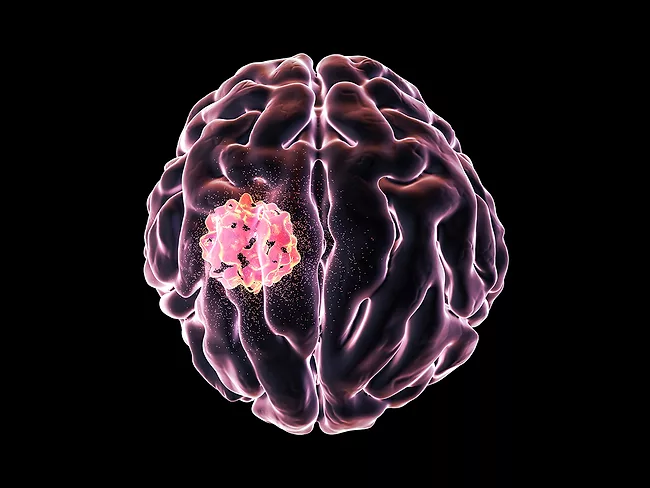
In glioblastoma multiforme, MTAP loss leads to MTA accumulation, which partially inhibits PRMT5, making the cells reliant on residual PRMT5 activity for survival. Targeting this remaining PRMT5 with MTA-cooperative inhibitors induces synthetic lethality, representing a promising targeted approach for MTAP-deleted gliomas. Researchers from Ryvu Therapeutics SA reported the preclinical profile of RVU-305, a PRMT5 inhibitor, in MTAP-deleted cancer models.
Newco Trogenix Ltd. has emerged from incubation and raised £70 million (US$94.1 million) in a series A, as it prepares the ground for a U.S/U.K. clinical trial of a novel gene therapy construct in glioblastoma multiforme that is due to start at the beginning of 2026.
Glioblastoma multiforme (GBM) is the most common and aggressive malignant primary brain tumor in adults, marked by high treatment resistance and poor prognosis. OLIG2, a CNS-specific transcription factor essential for neural development, is highly expressed in GBM and contributes to tumor progression and therapy resistance, making it a promising target for novel therapeutic strategies.
Beactica Therapeutics AB has held a first scientific advisory meeting with the Swedish Medical Products Agency (MPA) for BEA-17, the company’s first-in-class small-molecule targeted degrader of lysine demethylase 1 (LSD1) and its co-factor CoREST.
Newco Trogenix Ltd. has emerged from incubation and raised £70 million (US$94.1 million) in a series A, as it prepares the ground for a U.S/U.K. clinical trial of a novel gene therapy construct in glioblastoma multiforme that is due to start at the beginning of 2026.
Trogenix Ltd. has completed its series A financing, raising £70 million ($95 million) to support progression into the clinic of its pipeline of potentially curative cancer therapies across multiple aggressive solid tumors.
Biolinerx Ltd. and Hemispherian AS have established a joint venture (JV) to develop GLIX-1, Hemispherian’s lead drug candidate being developed as a potential treatment for newly diagnosed and recurrent glioblastoma.
Glioblastoma, the most aggressive and lethal form of brain cancer in adults, has long evaded effective treatment due to its resistance to standard therapies, including surgical resection, radiation, chemotherapy and targeted agents.
Glioblastoma multiforme (GBM) is the most aggressive and common type of brain cancer in adults, with a dismal prognosis despite current treatments. Previous work found that neurodevelopmental pathways drive glioma tumor initiation, maintenance and progression through fetal oncogenes, which are active in development and cancer but largely absent in adult tissues, offering precise therapeutic targets with minimal off-target effects.