Starlight Therapeutics Inc., a wholly owned subsidiary of Lantern Pharma Inc., announced that the FDA has cleared STAR-001 (LP-184) in combination with spironolactone for patients with glioblastoma multiforme (GBM) at first progression.
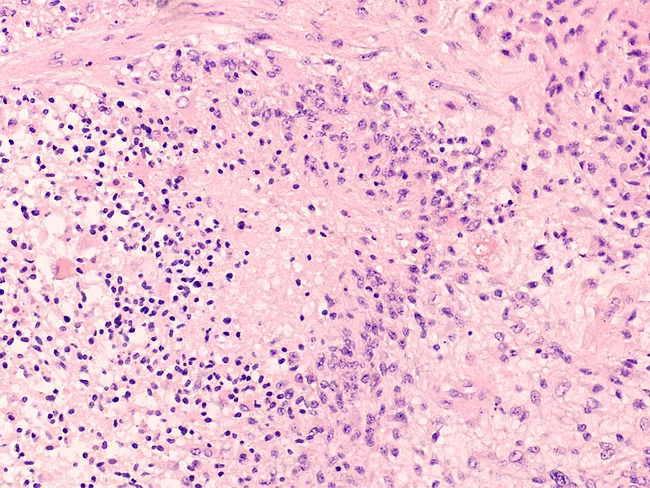
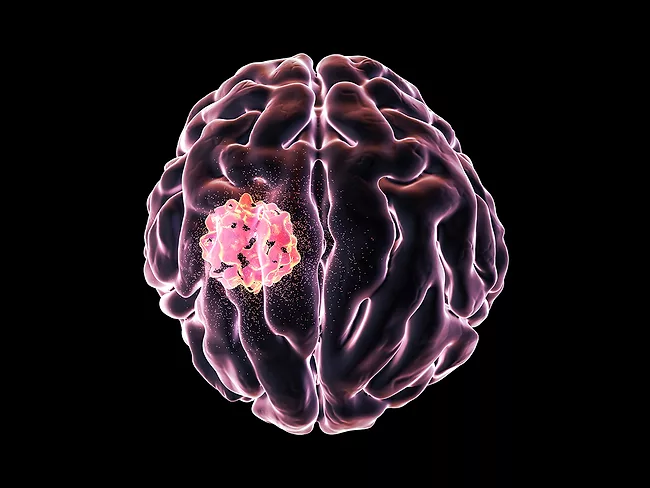
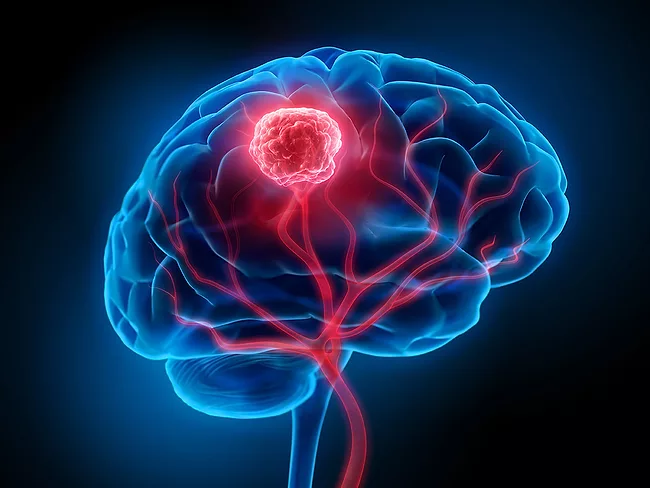
Glioblastoma multiforme (GBM) is an aggressive brain tumor characterized by cellular heterogeneity, therapy-resistant glioblastoma stem cells (GSCs), and diffuse infiltration. Researchers at City of Hope have reported on targeting GBM using the CF17 oncolytic virus, delivered either directly or via human pluripotent stem cell (hPSC)-derived neural progenitor cell (NPC) carriers.
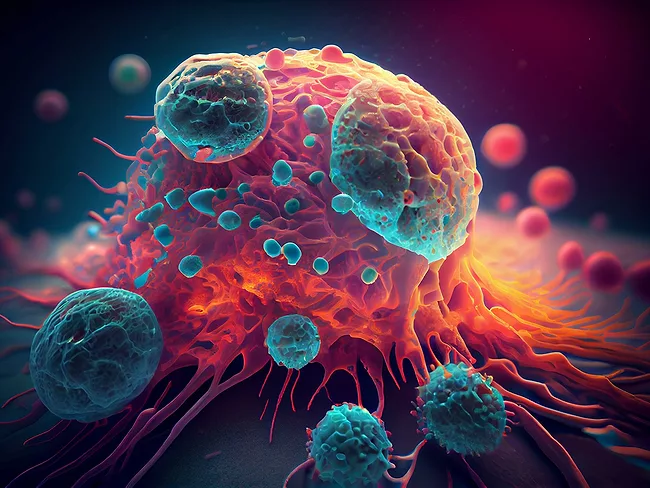
Glioblastoma, one of the most lethal brain cancers, remains a challenge to treat despite advancements in conventional therapies. Oncolytic virus therapy, which can selectively target and kill tumor cells while stimulating the immune system, has shown promise in clinical trials.
Hemispherian AS has received IND clearance for GLIX-1 for the treatment of glioblastoma from the U.S. FDA. GLIX-1 targets DNA repair mechanisms, specifically the enzyme TET2, selectively in tumor cells while sparing healthy tissues.
A recent study published in the Journal for Immunotherapy of Cancer has revealed a promising new approach for the treatment of glioblastoma (GBM), an aggressive and incurable form of primary brain cancer.
Glioblastoma is the most frequent and aggressive primary brain cancer in adults, and patients can expect to live shorter than 2 years, regardless of therapy. The cancer can be treated with CAR T cells, but many patients develop resistance because tumors mutate or delete the antigens recognized by the T cells, while the tumor microenvironment suppresses T-cell activity.
Myosin Therapeutics Inc. has obtained IND clearance by the FDA for MT-125. A phase I study will evaluate MT-125 in combination with standard-of-care radiation in patients with newly diagnosed IDH wild type, MGMT unmethylated glioblastoma.
Glioblastoma is the most common and aggressive malignant brain tumor in adults. Although microtubule-targeting agents (MTAs) are among the most widely used first-line therapies in cancer, their efficacy in glioblastoma is limited by poor penetration of the blood–brain barrier.
Glioblastoma (GBM) is an aggressive cancer from the CNS usually characterized by a very bad prognosis. It is known that around 30%-35% of patients with GBM develop epilepsy as a comorbidity of the disease.