Modifi Biosciences Inc. has come a long way very quickly. Spun out of Yale University in 2021, it published data on DNA in Science in July 2022, and now it’s being acquired by Merck & Co. Inc. for $30 million up front. Ultimately, Modifi shareholders could receive milestones of up to $1.3 billion.
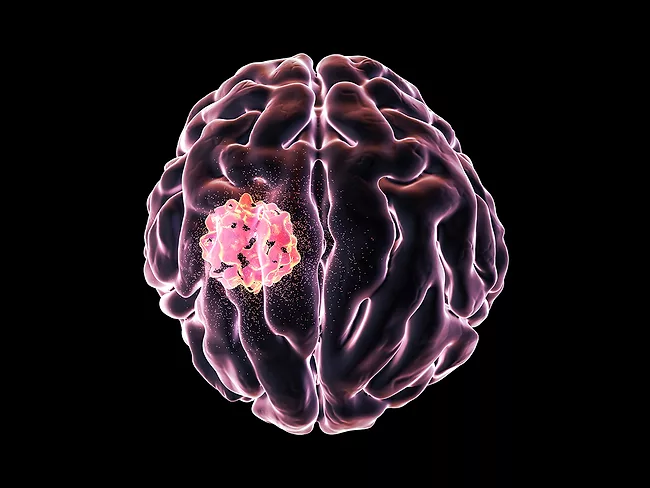
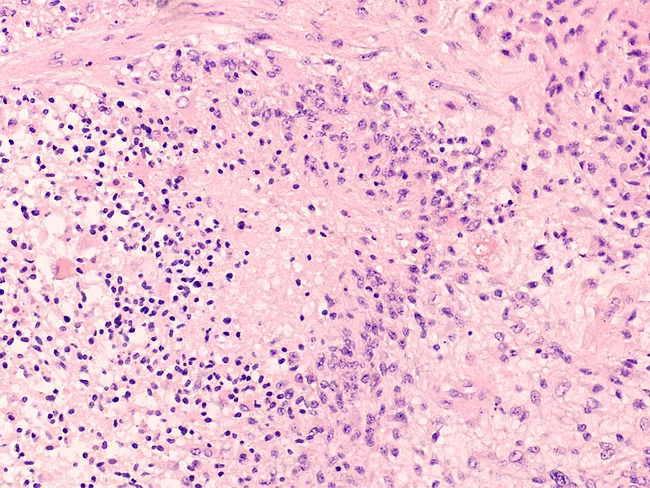
Glioblastoma multiforme (GBM) recurs in most patients despite the aggressive therapies they receive. Novel advances allow the development of targeted therapies to treat tumors of the brain. Researchers from the Johns Hopkins School of Medicine have applied bioinformatics plus forward thinking on microRNA biology to advance targeted therapies for GBM.
Virus is associated with sickness, but oncolytic virus therapies, which harness viruses to attack and kill cancer cells, may soon change the standard of treatment for cancer, including those long deemed uncurable like malignant glioma.
Virus is associated with sickness, but oncolytic virus therapies, which harness viruses to attack and kill cancer cells, may soon change the standard of treatment for cancer, including those long deemed uncurable like malignant glioma.
A study presented at the American Society for Radiation Oncology on Oct. 1 offers promise for the treatment of high-grade gliomas using Elekta AB’s Unity MR-Linac system.
Suzhou Ribo Life Science Co. Ltd. recently reported on the development and preclinical characterization of a novel blood-brain barrier (BBB)-penetrating oligonucleotide drug, RBD-8088, for the treatment of glioblastoma.
Adaptin Bio has obtained IND clearance from the FDA for APTN-101 in glioblastoma, enabling initiation of a first-in-human phase I trial in patients diagnosed with WHO grade IV malignant glioma.
Tumor protein p73 (TP73) has been commonly tagged as a putative tumor suppressor, but it may positively regulate the growth and stemness of cancer stem cells.