Zhongzhi Pharmaceutical Holdings Ltd. made a $3 million investment in a series A financing round of stem cell therapy developer Gabaeron Inc. Dec. 21, expected to help propel Gabaeron’s preclinical Alzheimer’s disease (AD) candidate into phase I testing.
In a deal worth $100 million up front and up to $1.25 billion in milestone payments, Bioarctic AB licensed its pyroglutamate-amyloid-β (pyroglutamate-Aβ) antibody program to Bristol Myers Squibb Co. to advance treatments for Alzheimer’s disease.
In a deal worth $100 million up front and up to $1.25 billion in milestone payments, Bioarctic AB licensed its pyroglutamate-amyloid-β (pyroglutamate-Aβ) antibody program to Bristol Myers Squibb Co. to advance treatments for Alzheimer’s disease.
Bioarctic AB has entered into a global exclusive license agreement with Bristol Myers Squibb Co. for Bioarctic’s pyroglutamate-amyloid-β (Aβ) antibody program.
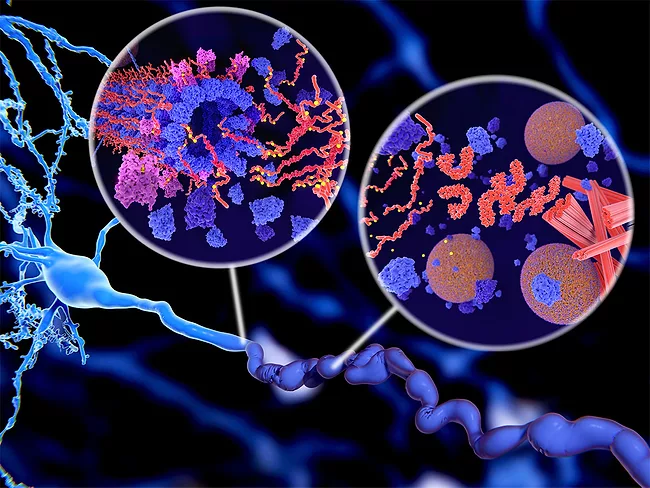
Over the past few decades, drugs for Alzheimer’s disease development have predominantly focused on targeting β-amyloid but have shown limited clinical efficacy.
Researchers at Stichting AMC Foundation and Vrije Universiteit van Amsterdam have identified [18F]-labeled pyrazolidine-3,5-dione compounds targeting P2Y purinoceptor 12 (P2RY12; P2Y12) acting as PET and SPECT imaging agents. They are reported to be useful for the diagnosis of multiple sclerosis, Alzheimer’s disease and Parkinson’s disease.
Researchers from Maplight Therapeutics Inc. presented preclinical data for the investigational muscarinic M1/M4 receptor agonist ML-007, being evaluated for the treatment of neuropsychiatric disorders, such as schizophrenia and Alzheimer’s disease (AD). The activity of ML-007 was compared to that of another muscarinic M1/M4 agonist, xanomeline.
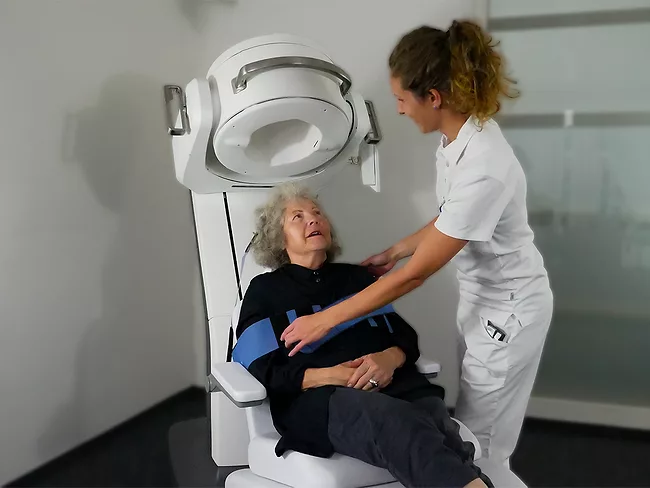
Positrigo AG is raising $10 million for production and commercialization of its Neurolf brain positron emission tomography system in the U.S. The system hepls to diagnose Alzheimer’s disease. With drugs such as Leqembi and Kisunla gaining U.S. FDA approval to treat the devastating neurological condition, the company is seeing increasing demand for its system, Neurolf CEO and co-founder Jannis Fischer, told BioWorld.
In a recently published study, researchers from Taipei Medical University and collaborators have reported on their efforts to discover new DYRK1A-specific inhibitors.