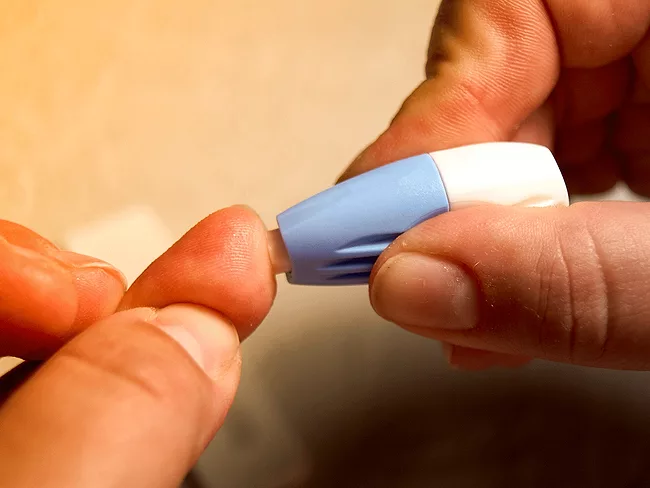
A team of international researchers is investigating whether a finger-prick blood test could be used to help diagnose Alzheimer’s disease before symptoms appear. With current diagnostic methods relying on expensive brain scans and invasive lumbar punctures, the trial is exploring whether the simple test could offer a faster, cheaper, and more accessible route to identifying the disease.
The U.K. Medicines and Health Care Products Regulatory Agency provided an update of its guidance for clinical investigations for medical devices and is offering a temporary waiver of the fees for registration of clinical studies to small manufacturers.
The U.K. National Institute for Health and Care Excellence has offered a thumbs-up for eight digital technologies to help patients with asthma manage their conditions. The sponsors of these products have three years to turn out enough evidence to persuade NICE to fully endorse those products, after which these platforms could have access to a market of more than five million patients.
The U.K. National Institute for Health and Care Excellence posted a draft update on its recommendations for ovarian cancer testing, proposing several changes that may lead to earlier intervention in the ovarian cancer disease cycle.
The U.K. Medicines and Healthcare Products Regulatory Agency has laid out an approach to medical products for rare diseases, which the agency said afflict 3.5 million U.K. citizens. One of the objectives of this program is to simplify evidence requirements for these therapies with the hope of providing patients with more rapid access to much-needed therapeutic options.
Scientists in the U.K. are developing glucose-powered bioelectronics to advance the use and capabilities of implantable medical devices. A research team, led by the University of Bath, received £2.1 million (US$3.3 million) in funding from the government to develop miniature, lightweight and long-lasting glucose fuel cells to help address the invasiveness and limitations of current battery-powered implants.
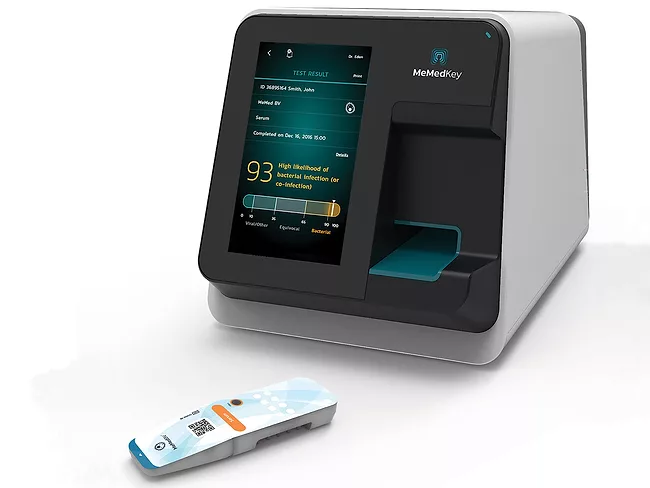
Trials are being conducted at three pediatric emergency departments in England of the Memed BV rapid blood test, designed to help health care providers distinguish between bacterial and viral infections. The test developed by Memed Diagnostics Ltd. can deliver results in as little as 15 minutes, speeding up the diagnosis of serious conditions such as sepsis or meningitis in children.
The U.K. Competition and Markets Authority (CMA) has issued draft guidelines for remedies for mergers and acquisitions, which the agency insists incorporates some regulatory flexibility. However, CMA said its approach is premised on the notion that any regulated transaction should have zero effect on competition in the affected industry, a premise that would seem to quash any transaction that leads to fewer companies in that industry.
The U.K. Medicines and Healthcare Products Regulatory Agency (MHRA) reported that it will seek to deepen its collaboration with other regulators, a list that includes but is not limited to the FDA. MHRA said that the U.K.-U.S. reliance program would apply to not only class II devices under the 510(k) and de novo programs, but to class III PMA devices as well, promising a somewhat more streamlined path to a market ripe with opportunity for the devices and diagnostics industries.
The U.K. Medicines and Healthcare Products Regulatory Agency has decided to lean into personalized medicine with the adoption of the concept of a “preference zone” for determining when a therapy can and cannot be used for a specific patient, a concept that is liable to lead to more demanding postmarket surveillance.