A noninvasive method for administering monoclonal antibodies reliably and reproducibly to central nervous system (CNS) targets remains a significant unmet need. Researchers in Switzerland have reported making headway in bypassing the blood-brain barrier through the intranasal delivery of full-length antibodies in rodent models. They show this delivery route leads to rapid transfer of significant amounts of a mouse antibody targeted against Nogo-A, a membrane protein that inhibits growth of neurites in the brain and spinal cord.
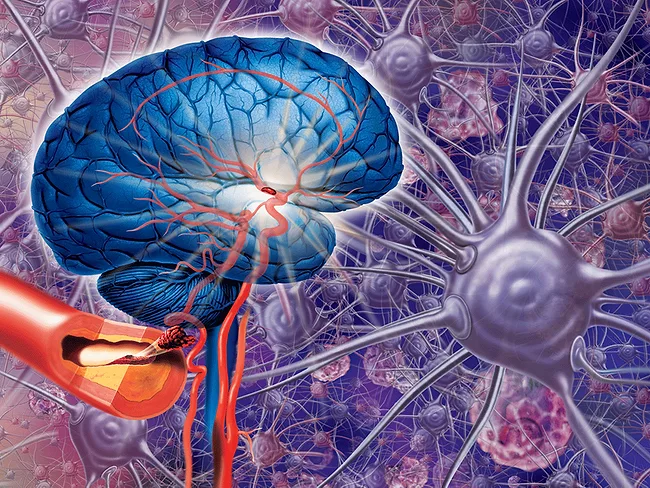
French consortium Booster is developing a personalized emergency treatment of ischemic stroke in its work on brain clot personalized therapeutic strategies for stroke emergent reperfusion. The aim is to refine the patient prognosis based on blood clot clinical and radiological characteristics and propose more effective drug treatments with a new generation of intracranial stents.
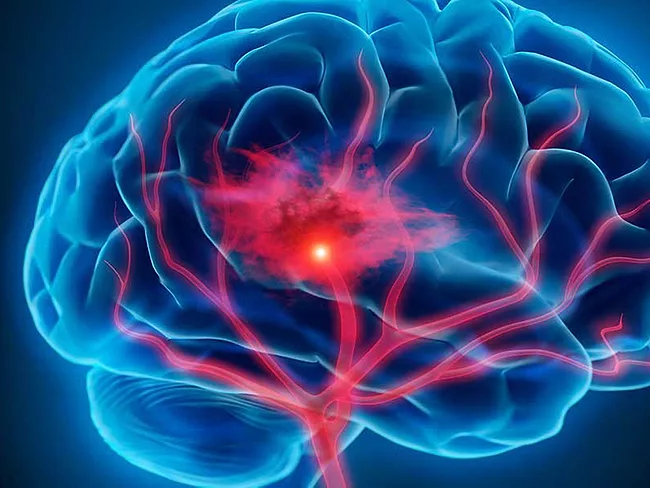
Ischemic stroke comprises about 87% of stroke incidence. The nuclear factor κ B (NF-κB) cascade is a major regulatory pathway of inflammation and is activated in response to ischemic stroke in humans and in rodents during middle cerebral artery occlusion (MCAO).
A new prototype device that delivers barely perceptible vibrations to the fingertips has led to improvements of between 20% – 40% in patients who have lost their sense of touch following an ischemic stroke.
Boston Scientific Corp. and Abbott Laboratories continue to parry over clinical trials comparing the latter’s Amplatzer Amulet with Boston Scientific’s Watchman in sealing the heart’s left atrial appendage (LAA) to prevent ischemic stroke in patients with atrial fibrillation (Afib). In one of five presentations at the 34th Transcatheter Cardiovascular Therapeutics annual scientific symposium in Boston in mid-September, Abbott said device-related thrombosis or peri-device leak more frequently preceded strokes in patients with Watchman compared to those with Abbott’s Amplatzer Amulet device.
Researchers from Istituto di Ricerche Farmacologiche Mario Negri aimed to characterize lectin pathway (LP) activation after ischemic stroke in a novel humanized mouse model expressing human mannose-binding lectin.
Japan’s Healios K.K. is in discussions with Japan’s Pharmaceutical and Medical Devices Agenc about the regulatory path forward for its Multistem somatic stem cell products, for which it conducted phase II/III trials in ischemic stroke and a phase II trial in acute respiratory distress syndrome.
Japan’s Healios K.K. is in discussions with Japan’s Pharmaceutical and Medical Devices Agenc about the regulatory path forward for its Multistem somatic stem cell products, for which it conducted phase II/III trials in ischemic stroke and a phase II trial in acute respiratory distress syndrome.
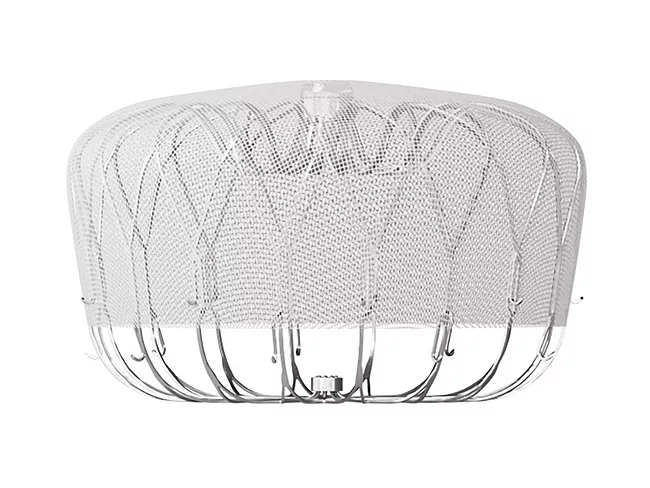
Rapid Medical Inc. received FDA clearance for the Tigertriever 13, termed “the smallest and only adjustable thrombectomy device” for treating brain clots causing ischemic stroke. Stealing a page from aerospace engineers, Sunrise, Fla.-based Rapid Medical has developed complex, 3D “braiding” technology enabling its mechanical stent retriever to gain better access to and treat deeply embedded brain clots.