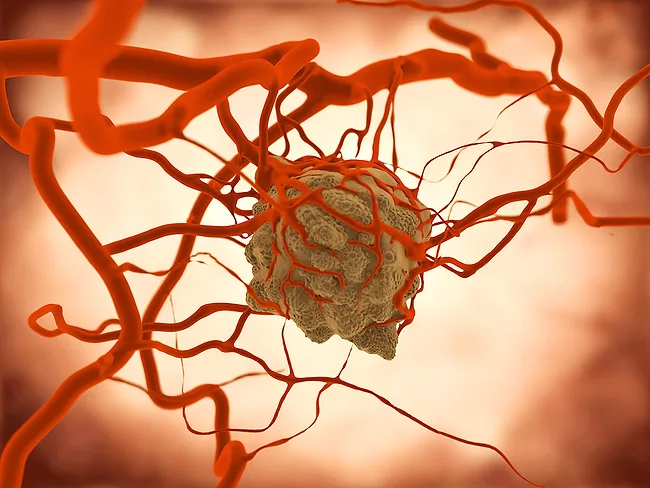
M-9140 (Merck KGaA) is an antibody-drug conjugate (ADC) that carries a DNA topoisomerase 1 (TOP1) inhibitor payload plus an antibody directed against carcinoembryonic antigen-related cell adhesion molecule 5 (CEACAM5). CEACAM5 is a cell surface protein that is overexpressed in colorectal cancer and other solid tumors.
Alterome Therapeutics Inc. has closed a $132 million series B financing to support the advancement of its pipeline of next-generation, small-molecule targeted cancer therapies into the clinic, including a highly specific AKT1 E17K inhibitor and a KRAS selective inhibitor.
Phase II/III results from Gritstone Bio Inc. with Granite, a personalized neoantigen cancer vaccine for colorectal cancer, turned up the opposite of what some investors expected, and the company’s shares (NASDAQ:GRTS) ended April 2 at $1.20, down $1.15, or 49%.
Researchers from West China Hospital of Sichuan University announced the discovery of homo sapiens caseinolytic protease P (HsClpP) agonists as new small-molecule candidates for the treatment of colorectal cancer.
An increasingly popular target across varied cancer types is the immune system regulator V-domain Ig suppressor of T-cell activation (VISTA), where a number of developers have taken early stage aim – among them Sensei Biotherapeutics Inc., with SNS-101, which Wainwright analyst Edward White believes could be the first anti-VISTA monoclonal antibody approved as a therapeutic agent. But there’s plenty of work ahead.
Sonata Therapeutics Inc. and the Champalimaud Foundation have announced a research collaboration for the development of Sonata’s SNT-3012 for the treatment of pancreatic and colorectal cancers.
Biomunex Pharmaceuticals SAS has signed an exclusive license and exploitation agreement with Institut Curie for the development of a new class of antibodies.
As Cardiff Oncology Inc. dosed the first patient in its phase II study of onvansertib (CRDF-004) in a first-line setting to treat RAS-mutated metastatic colorectal cancer (mCRC), the company also revealed positive efficacy data from its discontinued phase II of onvansertib as a second-line treatment of bevacizumab-naïve RAS-mutated mCRC.
Researchers from University of Padova have presented data from a study that aimed to investigate the role of microRNAs (miRs) in the development and progression of inflammatory bowel disease (IBD)-related colorectal cancer (CRC).