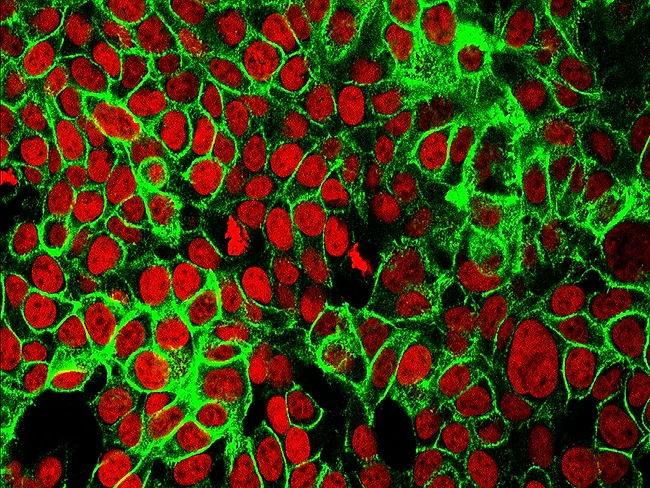
In a study reported in the online edition of Science on Aug. 10, 2023, a group of synthetic biologists from the University of California (UC) San Diego and clinicians from Australia have engineered synthetic bacteria to detect specific DNA sequences in the genomes of colorectal cancer (CRC) cells and organoids. This living cell sensor capable of detecting cancer in the colons of mice has the potential to steer the way to new biosensors capable of identifying various infections, cancers and other diseases.
In a study reported in the online edition of Science on Aug. 10, 2023, a group of synthetic biologists from the University of California (UC) San Diego and clinicians from Australia have engineered synthetic bacteria to detect specific DNA sequences in the genomes of colorectal cancer (CRC) cells and organoids. This living cell sensor capable of detecting cancer in the colons of mice has the potential to steer the way to new biosensors capable of identifying various infections, cancers and other diseases.
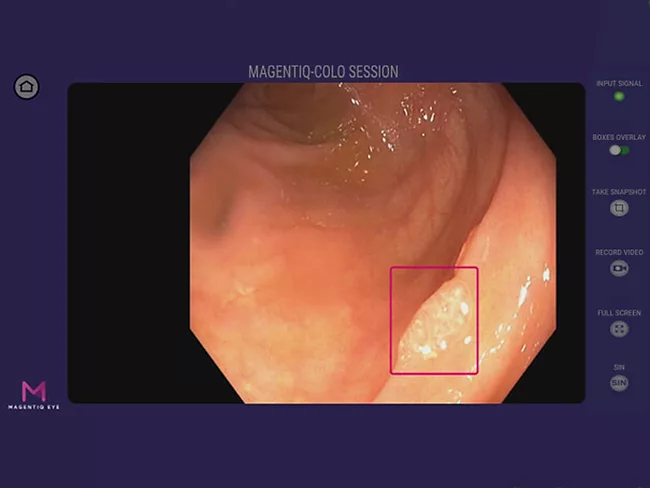
Magentiq-Eye Ltd. received U.S. FDA 510(k) clearance for its Magentiq-Colo, an artificial intelligence (AI) gastrointestinal software system that helps detect lesions in real time during colonoscopy procedures. With the rate of colorectal cancer expected to increase steadily through the decade, the company hopes that Magentiq-Colo will offer the gastroenterology community and its patients a significant increase in the adenoma detection rate.
Researchers from the Chinese University of Hong Kong have identified the Carnobacterium maltaromaticum bacterium as a potential oral probiotic prophylactic to increase vitamin D production and reinvigorate gut microbiota to prevent colorectal cancer (CRC) in women.
Novigenix SA reported interim European validation data for its whole blood RNA signature for early detection of precancerous colorectal lesions. The data was presented in early July at the European Society for Medical Oncology (ESMO) World Congress on Gastrointestinal Cancer in Barcelona.
Exact Sciences Corp. demonstrated a significant increase in accuracy with the latest version of its Cologuard test for colorectal cancer in its pivotal BLUE-C study. Top-line results released this week showed that the next-generation test exceeded the specificity and sensitivity seen in the DEEP-C study that underpinned U.S. FDA approval of the commercially available version of Cologuard, a stool-based assay.
TG Immunopharma Co. Ltd. has announced clearance by the FDA for a clinical trial of TGI-6, a bispecific antibody targeting unique tumor-associated antigens (TAA) and CD3 molecules simultaneously, for solid tumors.
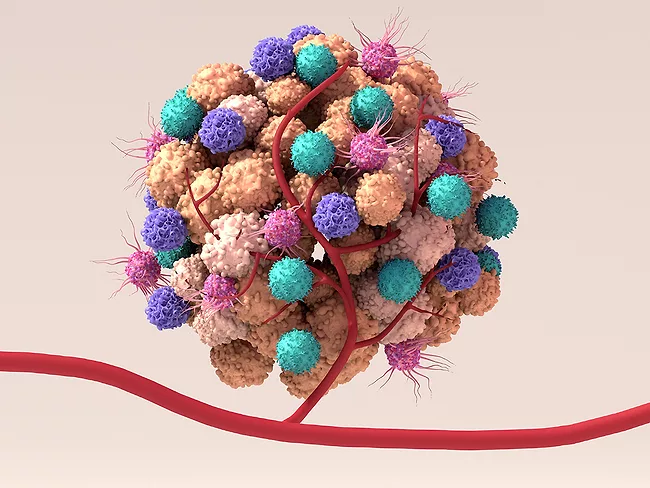
Colorectal cancer (CRC) is one of the digestive tract cancers with the highest prevalence. Cancer immunotherapy for CRC brings substantial benefit to patients, but the development of resistance mechanisms and relapsing processes along with immune escape call for new treatment options.
Interactions between the gut microbiome and immune system influence cancer immune surveillance, though the mechanism through which these gut-primed immune cells regulate peripheral antitumor immune response is not well understood. Now, two recent studies in Science and Science Immunology using mouse models and human tissue samples have highlighted a group of intestinal T cells with the gut-homing α4β7 integrin receptors that play a critical role in mediating response to immune checkpoint blockade cancer immunotherapy.