At the ESMO Immuno-Oncology Congress 2022, Compugen Inc. shared phase I data for COM-701 in dual and triple combination with Bristol Meyers Squibb Co.’s Opdivo (nivolumab) and with or without BMS-986207.
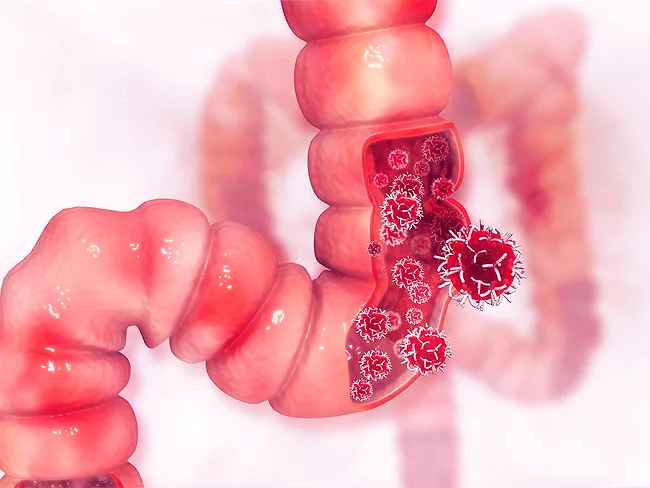
Carina Biotech Pty Ltd. has submitted an IND application to the FDA to conduct a first-in-human phase I/IIa trial of CNA-3103, its LGR5-targeted chimeric antigen receptor T-cell (CAR-T) therapy candidate, in patients with advanced colorectal cancer.
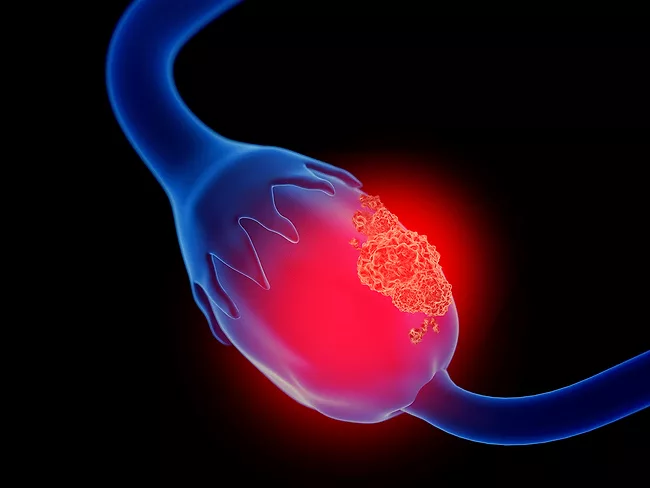
At the ESMO Immuno-Oncology Congress 2022, Compugen Inc. shared phase I data for COM-701 in dual and triple combination with Bristol Meyers Squibb Co.’s Opdivo (nivolumab) and with or without BMS-986207. Compugen’s candidate demonstrated preliminary durable antitumor activity and immune activation in patients with platinum resistant ovarian cancer with a favorable safety and toxicity profile.
Investigators at West China Hospital, Sichuan University and affiliated organizations have discovered a novel c-Myc inhibitor being developed as a potential anticancer agent.
Molecure SA has received clearance from the Polish Office for Registration of Medicinal Products, Medical Devices and Biocidal Products to conduct the first clinical trial of OATD-02.
The Gastrointestinal Research Foundation (GIRF) has launched a new initiative, CA CURE, to identify and fund research to improve diagnostics and develop therapeutics focused on immunotherapies and personalized vaccines for digestive cancers, with a focus on projects that might have difficulty attracting funds because they are too experimental or are in the initial stages of development.
Turnstone Biologics Corp. has received IND clearance from the FDA for the company's lead selected tumor-infiltrating lymphocyte (TIL) therapy program, TIDAL-01.
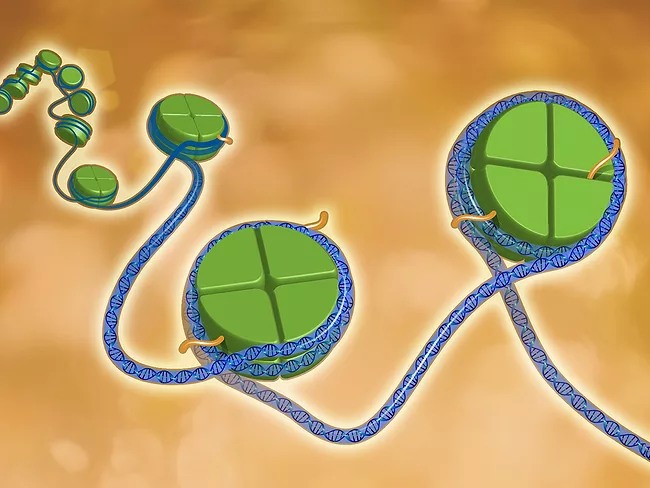
The simultaneous mapping of DNA mutations and epigenetic changes as colorectal cancer evolves has for the first time tracked their relative contributions and shown epigenetic control of gene transcription is far more important than somatic mutations in enabling tumors to adapt and develop a survival advantage over other cells. In an analysis of 1,373 samples from 30 colorectal cancer samples, epigenetic changes were highly common in cells that had become cancerous and occurred around known cancer driver mutations. These epigenetic alterations were heritable, were passed on at each cell division, and in addition to a direct contribution to the evolution of tumors also influenced how cancer cells accumulated DNA mutations. The modifications to gene regulation conferred survival advantages that meant cancer cells grew faster than normal counterparts. While it is not news that epigenetic changes are involved in tumor development, previously it was not clear what the relative contribution was, and that their effect could be independent of DNA mutations.