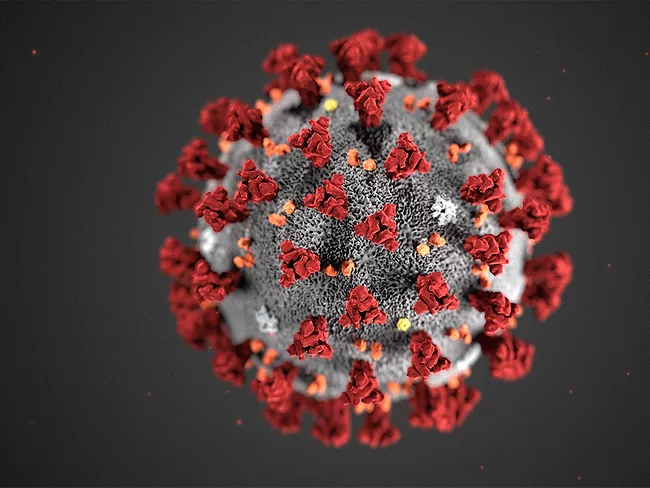
Insilico Medicine IP Ltd. has synthesized 3C-like proteinase (3CLpro; Mpro; nsp5) (SARS-CoV-2; COVID-19 virus) inhibitors reported to be useful for the treatment of SARS-CoV-2 infection (COVID-19).
Researchers from NYU Grossman School of Medicine reported on a new strategy intended to provide long-term protection against the SARS-CoV-2 virus using an experimental decoy.
China's National Medical Products Administration (NMPA) has given drug clinical trial approval for two new COVID-19 vaccines against the current XBB variants developed by Westvac Biopharma Co. Ltd. and West China Medical Center at Sichuan University.
Dihydroorotate dehydrogenase (DHODH) is an enzyme ubiquitously expressed in all tissues whose inhibition has proven effective in preventing viral replication. Previous knowledge on DHODH inhibitor vidofludimus calcium demonstrated that this compound inhibits viral replication of DNA, RNA and retroviruses and induces innate immune responses that lead to an antiviral state thus inhibiting virus reactivation.
Researchers from Aligos Therapeutics Inc. and the Katholieke Universiteit Leuven reported on the preclinical activity of ALG-097558, a novel oral available 3CL protease inhibitor with pan-coronavirus antiviral activity.
By analyzing a cohort of adolescents that developed myocarditis or pericarditis after vaccination against SARS-CoV-2 vaccination, researchers from Yale University School of Medicine were able to pinpoint the underlying mechanism as an overly active innate immune response to the vaccine that led to broad activation of T cells and natural killer (NK) cells. Myocarditis “has been seen in other vaccine contexts, though is most common after viral infection,” Carrie Lucas told reporters at a press conference announcing the findings.
Multivalent vaccines that could improve SARS-CoV-2 immunity while also preventing infections by other viruses, such as influenza and respiratory syncytial viruses, constitute an urgent public health need. Currently approved vaccines against SARS-CoV-2 are based solely on the spike protein, which provides limited immunity against variations in spike.