The American Society of Clinical Oncology (ASCO) meeting opened at the McCormick Place convention center in Chicago with after-lunchtime sessions on breast cancer, melanoma, sarcoma and advancements on adjuvant cancer vaccines. As ASCO revved up, the CEOs of Merck & Co. Inc., Gilead Sciences Inc. and Eli Lilly and Co. vented their frustrations about the impact of the Inflation Reduction Act on innovation.
The American Society of Clinical Oncology (ASCO) begins its 2024 annual meeting at the cavernous and labyrinthine McCormick Place convention center in Chicago Friday, May 31. It’s one of the world’s largest cancer research conferences and can be daunting to follow. More than 400 organizations will participate this year, with about 200 sessions ready to convene. The vast majority of the 5,000 abstracts that cover all aspects of cancer treatment have already been released, and they will be scrutinized by the more than 40,000 attendees from around the world.
U.S. physicians who provide radiation services for cancer patients have a long-running feud with the Centers for Medicare & Medicaid Services over a series of payment rate cuts for their services, but these medical societies are now teaming up to address the issue. These medical societies are making the case that payment reform is not only critical for the future of radiation oncology but are also optimistic that congressional interest in the dilemma has quickened sufficiently to suggest that a congressional response may be on tap in 2024.
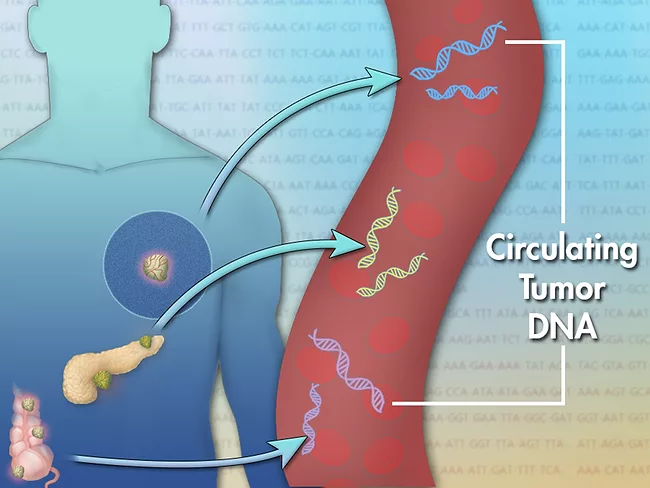
Providing the right therapy at the right time has proven more difficult in the world of cancer than in other disease areas thanks to the variability in treatment response, but a new study hints that this problem may be at least partly solved for non-small cell lung cancer (NSCLC). A study presented at this year’s meeting of the American Society for Radiation Oncology (ASTRO) in San Diego shows that circulating tumor DNA (ctDNA) can provide therapeutic guidelines for oligometastatic forms of the disease, including when high-dose radiation therapy may or may not be indicated.
Breakthroughs in early detection of cancer offer increasing hope for better outcomes and longer lives for individuals affected by malignancies. This year’s American Society of Clinical Oncology annual meeting highlighted strong results from several companies at the forefront of this potential transformation.
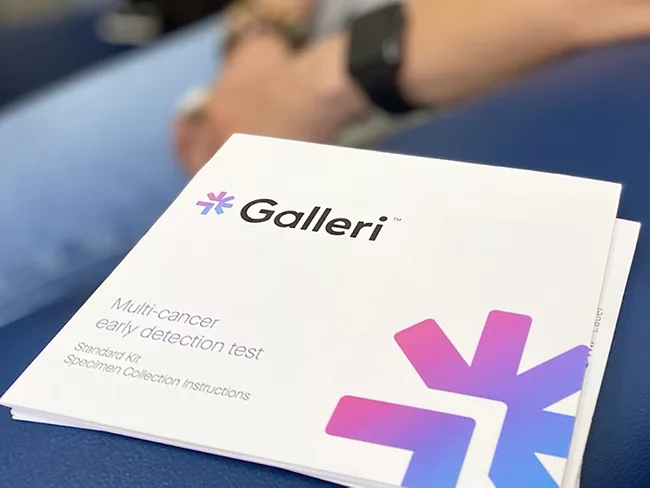
In the flurry of presentations on early detection of cancer at the 2023 American Society of Clinical Oncology Annual Meeting, Grail LLC stood out for the number of sessions and the strength of its results. In a real-world study presented, Grail’s Galleri multi-cancer early detection (MCED) test cancer signal origin (CSO) demonstrated accuracy of 91%.
Gracell Biotechnologies Inc. is initiating two clinical trials in China in refractory systemic lupus erythematosus for lead candidate GC-012F, a CD19/B-cell maturation antigen dual-targeting CAR T.
The 2023 American Society for Clinical Oncology Annual Meeting featured several notable developments on the diagnostics side, including significant advances in multi-cancer early detection (MCED). Grail Inc. presented its results from SYMPLIFY, the first major study of its MCED test in symptomatic patients. The test showed a negative predictive value of more than 97% and a positive predictive value that exceeded 75% in individuals who presented to primary care with non-specific symptoms that prompted a referral for cancer evaluation.
For a non-invasive cancer, ductal carcinoma in situ (DCIS) has spread rapidly—at least in research studies. Multiple companies presented results of diagnostic tests and genomic analysis that offer guidance for selecting treatment options for stage 0 breast cancer at the 2022 American Society of Clinical Oncology (ASCO) annual meeting, which concluded in Chicago on June 7. Several of these studies reliably predicted which patients can safely be selected for active surveillance without surgery, who would benefit from endocrine or radiotherapy following surgery and who would be best served by risk-reducing surgery such as double mastectomy.
Grail LLC reported a new study with the U.K.’s NHS to assess the clinical utility of its Galleri multi-cancer early detection test (MCED) for reducing late-stage cancer diagnoses. Menlo Park, Calif.-headquartered Grail presented the study design during the American Society of Clinical Oncology (ASCO) meeting in Chicago. The randomized controlled trial will enroll 140,000 asymptomatic participants aged 50-77 living across England to determine if Galleri can find cancers at an early stage when they are less advanced.