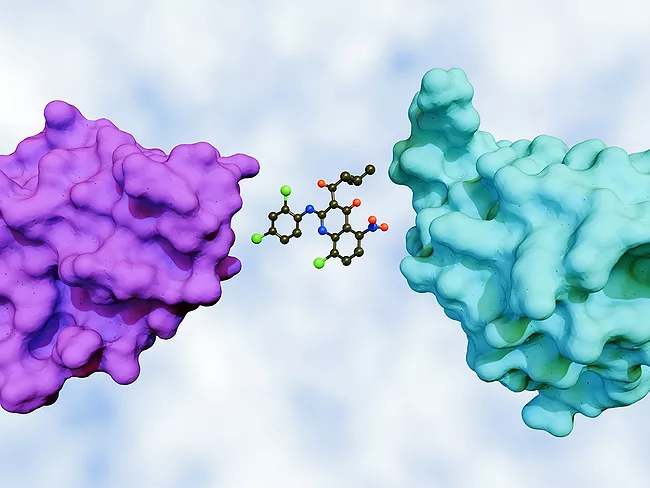
Biodexa Pharmaceuticals plc has closed an exclusive license agreement with Otsuka Pharmaceutical Co. Ltd. for OPB-171775 (now MTX-240), a phase I-ready molecular glue intended to be developed for the treatment of gastrointestinal stromal tumors (GIST) and potentially additional indications.
Cogent Biosciences Inc. is now lining up two NDA submissions for its tyrosine kinase inhibitor bezuclastinib in treating two forms of cancer. Cogent intends to submit an NDA for bezuclastinib, a tyrosine kinase inhibitor that targets and inhibits mutated KIT proteins, specifically KIT D816V, in the first half of 2026 to treat gastrointestinal stromal tumors. That will follow the company’s plans for an NDA submission for bezuclastinib in treating non-advanced systemic mastocytosis before the end of 2025.
Sanofi SA is to acquire Blueprint Medicines Inc. in a $9.5 billion deal that will give the French pharma ownership of a marketed rare disease immunotherapy heading toward blockbuster status, a follow-on product in phase II/III, and a phase II clinical program relevant to a number of autoimmune diseases.
Gastrointestinal stromal tumors (GISTs) are a diverse group of tumors that account for about 80% of mesenchymal neoplasms in the gastrointestinal tract. Tyrosine kinase inhibitors (TKIs) against KIT and PDGFR-A have proven useful in patients with GIST, but resistance to therapy frequently occurs.
Hoth Therapeutics Inc. has released preclinical findings demonstrating the efficacy of HT-KIT, a novel targeted therapy for gastrointestinal stromal tumors (GIST).
Joining the dealmaking spree to kick off the 2025 J.P. Morgan Healthcare Conference, Eli Lilly and Co. announced it was picking up an early clinical-stage PI3Kα inhibitor program from Scorpion Therapeutics Inc. in a deal that could be worth up to $2.5 billion, while GSK plc is adding to its cancer pipeline with the acquisition of Idrx Inc. for $1 billion up front.
Engineered probiotics, mainly bacterial probiotics, are an emerging platform for in situ delivery of therapeutics, including anticancer therapies, to the gut. Writing in Cell Chemical Biology, researchers from Washington University School of Medicine and collaborators present a novel yeast-based therapeutic oral platform to deliver next-generation immune checkpoint inhibitor proteins directly to gastrointestinal tumors.
Blueprint Medicines Corp. has identified KIT (c-KIT) (mutant) inhibitors reported to be useful for the treatment of gastrointestinal stromal tumors (GIST).
Hoth Therapeutics Inc. has reported promising results from sponsored preclinical research conducted at NC State University (NCSU) with HT-KIT, the company’s new molecular entity for the treatment of advance systemic mastocytosis. HT-KIT is an antisense oligonucleotide that targets the proto-oncogene c-Kit by inducing mRNA frame shifting.
More than two months after Blueprint Medicines Corp. gained a broadened label for Ayvakit (avapritinib), the company is “really pleased to see the diversity of revenue this early in the launch across specialties and across both the academic and community settings,” said Philina Lee, chief commercial officer. The situation “bodes very well for a continued cadence of prescribing [into] the foreseeable future,” she said.