Marking an important day for those with atopic dermatitis, shares of two biopharmas surged on clinical data suggesting new biologics are on their way to help address 40% of patients with uncontrolled disease.
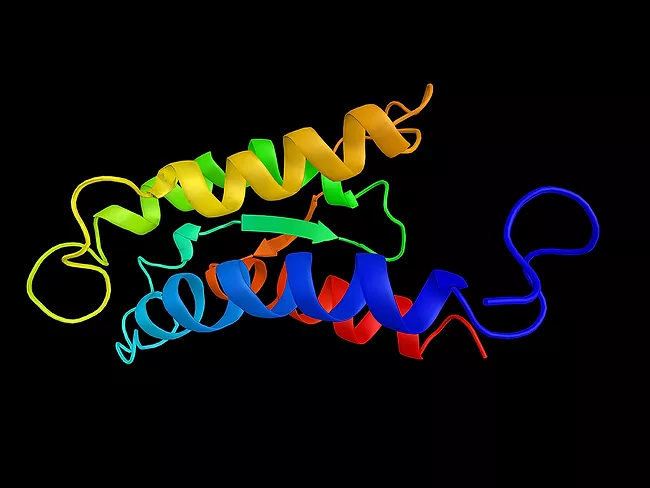
The structurally similar cytokines IL-2 and IL-15, and their shared beta subunit CD122, are keeping developers busy across a range of indications. Though some scientific confusion has plagued the space historically, drug candidates have drawn deals and Wall Street interest aplenty. Amgen Inc., Novartis AG, and Incyte Corp. are among those who’ve made their interest known.
Coya Therapeutics Inc. has released results of a study designed to evaluate the effects of COYA-303 (low dose IL-2 and a GLP-1 receptor agonist) in an established in vivo lipopolysaccharide mouse model of systemic and neuroinflammation. COYA-303 is an investigational proprietary combination for subcutaneous administration, under development for the treatment of diseases driven by chronic and sustained inflammation.
The sparsity of mid-to-late stage prospects in atopic dermatitis (AD, or eczema) – which has proved an especially challenging indication – plus some newsmaking fizzles in the space have caused developers to probe new targets with particular intensity. Most popular approaches thus far involve IL-4, IL-13, thymic stromal lymphopoietin and JAK. Developers have stumbled for varying reasons such as high placebo response rates, safety or lack of clinical proof of concept. Among the potential AD rescuers is Nektar Therapeutics Inc. with rezpegaldesleukin (rezpeg), which takes aim at IL-2.
Researchers from Elpiscience Biopharmaceuticals Inc. discussed the discovery and preclinical characterization of a novel NKG2A antibody-IL-2 mutant fusion protein – ES-015.129 – being developed as cancer immunotherapy.
At the recent SITC meeting in Houston, Teva Pharmaceutical Industries Ltd. reported preclinical data for the fusion protein TEV-56278, which is in phase I development.
At the Society for Immunotherapy of Cancer (SITC) meeting that ended yesterday in Houston, Dragonfly Therapeutics Inc. reported the first preclinical data on DF-6215, an alpha-active IL-2-Fc, for cancer immunotherapy.
Researchers from Mustbio Co. Ltd. and Chung-Ang University have presented the discovery and preclinical characterization of MB-2033, a novel bispecific fusion protein being developed for the treatment of cancer.
CLN-617 is a single-chain fusion protein comprising human IL-2, human IL-12, leukocyte-associated immunoglobulin-like receptor 2 (LAIR2) and human serum albumin (HSA). It was designed for intratumoral injection to co-deliver IL-2 and IL-12 on a single molecule, with HSA and LAIR2 being used to retain CLN-617 in the tumor by binding collagen and increasing molecular weight.
Xilio Therapeutics Inc. retreated with its lead oncology IL-2 drug, XTX-202, after phase II data indicated stable disease was the best response, prompting the company to reprioritize its pipeline and cut its workforce by 21% – but investors focused more on a $647.5 million IL-12 program deal the company signed with Gilead Sciences Inc., as well as an $11.3 million private placement financing.


.webp?height=488&t=1769119579&width=650 "Molecular model of interleukin-15 (IL-15)")