More than 21 months since the SARS-CoV-2 virus was first identified in Wuhan, China, the questions just keep coming, and the longer they go unanswered, the more divisive the opinions become. Controversies over the efficacy of current vaccines, over whether boosters are necessary for the general population, over the safety of COVID-19 vaccines for young children, over how to distribute the shrinking supply of highly effective monoclonal antibodies, and over how the virus originated in the first place – all of these looming questions have created a firestorm of uncertainty that will not stop burning.
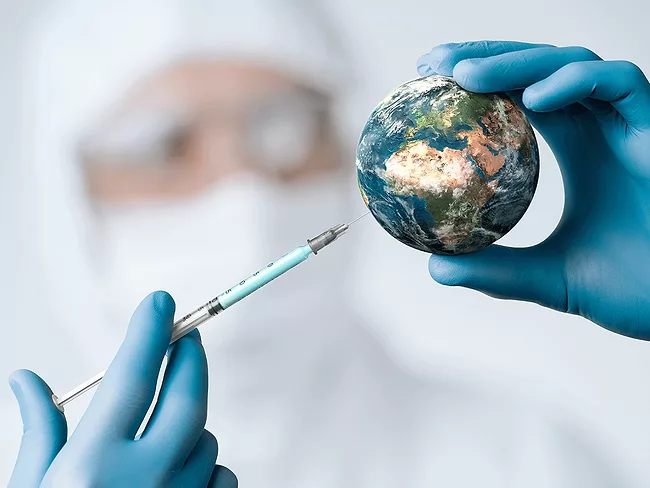
When the SARS-CoV-2 virus first emerged in the U.S., the knee-jerk reaction by biopharma researchers was to make the best vaccines and therapeutics possible and to do so quickly. Since then, the number of those that have entered development has reached 1,001, more than for any other viral infection aside from HIV.
For the first time since February, the BioWorld Biopharmaceutical Index (BBI) took a sharp plummet with shares falling in the last few weeks for 18 of the 22 stock components.
For the first time this year, the amount of money raised by the biopharma industry has dropped below the amount collected during the same timeframe last year, even though the number of transactions has climbed by nearly 10%.
The world has been running an ultramarathon since the COVID-19 pandemic began, but despite the ups and downs of cases and deaths, the wins and losses of clinical efforts, every day is another step forward toward herd immunity and the finish line.
Although 2020 is the highest money-making year on record for the biopharma industry, a direct comparison of the first five months indicates that the amount raised so far in 2021 is 22% ahead of last year, while the number of financings climbed 26%.
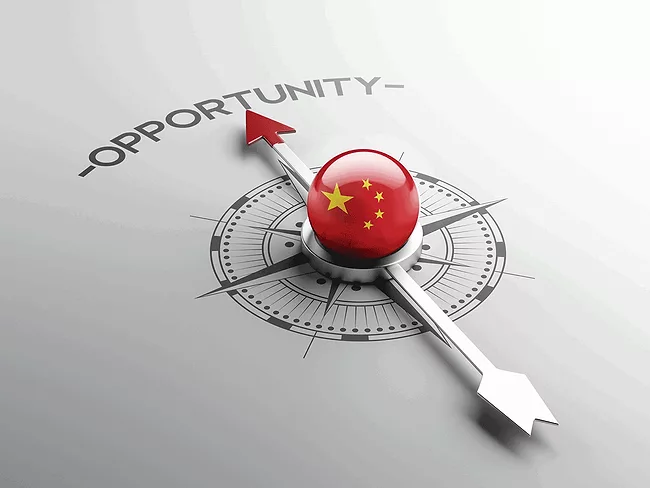
China is making strides in cell and gene therapy, notably so with a 61% surge in the number of clinical trials in six years, a new report by Ernst & Young showed. While analysts noted the increasing innovation efforts and cross-border collaborations, concerns remain if quality will be compromised by speed.
China saw $28.5 billion invested in its life sciences sector in 2020, which was double the previous year’s amount and sets a five-year high. Partnering activities and IPOs also grew exponentially over the last five years to set records.
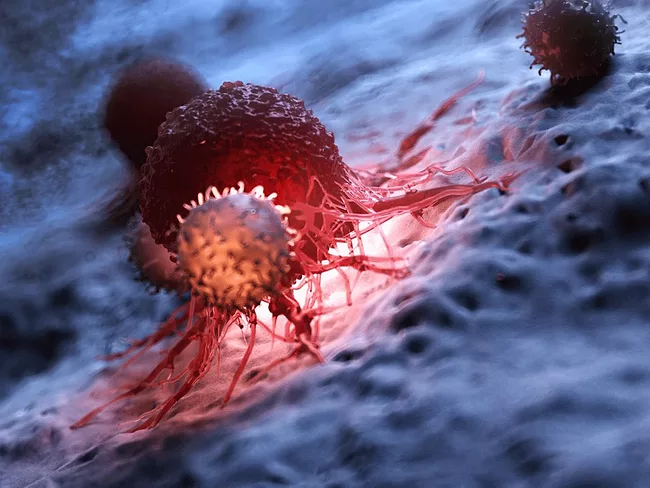
While biopharma deals are not showing any drastic changes over last year, three areas that continue to dominate the landscape include the pandemic, oncology and cell and gene therapies. The lack of mega-mergers so far this year, specifically those above $10 billion, is also holding M&A values down by about 61% compared to this point in 2020, even though the number of mergers has climbed.
More than a quarter of all biopharma/nonprofit deals and grant awards in 2021, as well as 79% of the disclosed funding, targets the COVID-19 pandemic, following a trend that began in the early months of last year as SARS-CoV-2 reared its ugly head.