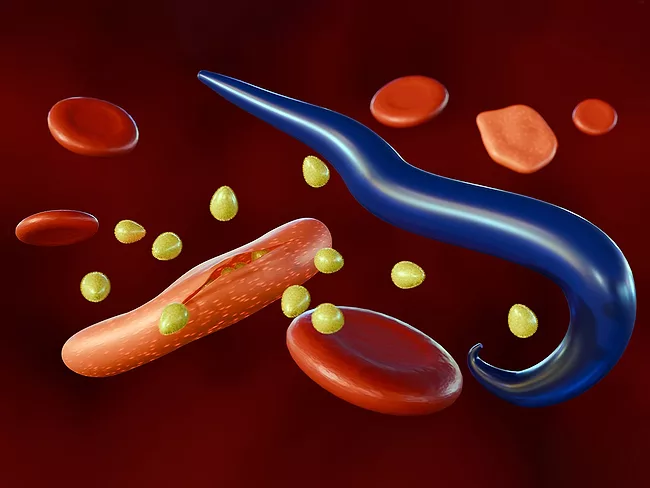
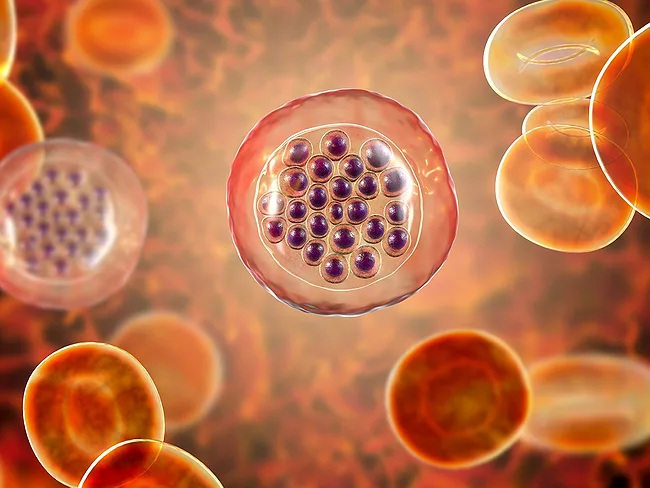
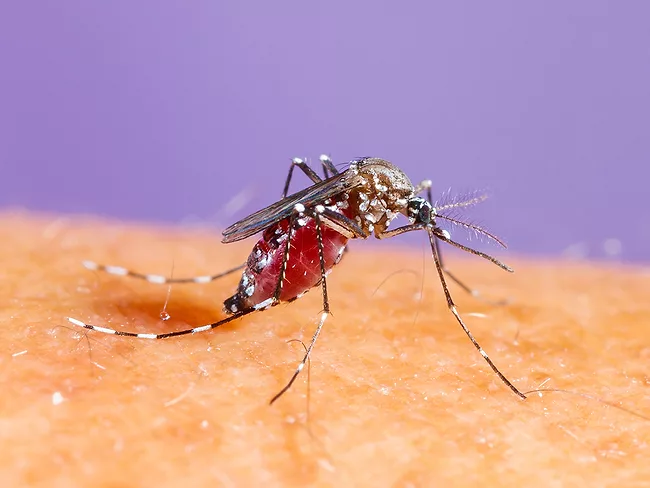
Indole-based compounds have been explored as antimalarial agents because they can disrupt the Plasmodium cell cycle. In a recent study, researchers from the University of São Paulo and the Federal University of São Carlos reported the evaluation of scaffolds selected from three classes of indole hybrids against Plasmodium falciparum.
The Global Health Innovative Technology (GHIT) Fund is investing approximately ¥2.86 billion ($18 million) in six R&D projects for the development of drugs for malaria, tuberculosis (TB) and neglected tropical diseases.
Brown University, Florida Atlantic University and Florida International University have jointly identified new compounds potentially useful for the treatment of malaria.
The Global Health Innovative Technology (GHIT) Fund has invested in a number of R&D projects for the development of drugs for malaria, including a global partnership led by Medicines for Malaria Venture (MMV), Tanabe Pharma Corp. and the University of Georgia.
Researchers from GSK plc and collaborators described the identification of MMV-1581361, a PfATP4 inhibitor, and its efficacy in models of malaria. The compound originates from MMV-020136, following structure-activity relationship studies to optimize antimalarial activity.
Researchers from the University of Sassari (Italy) and their collaborators have recently published findings from their research focused on the impact of one allelic variant in the CCND3 gene, encoding cyclin D3, on blood cell traits and resistance to malaria.
Medicines for Malaria Venture and The University of Texas System have divulged dihydroorotate dehydrogenase (DHODH) (Plasmodium falciparum and Plasmodium vivax) inhibitors reported to be useful for the treatment of malaria.
In an effort to generate an effective and safer inhibitor, researchers at the University of Cape Town, University of Dundee and Massachusetts Institute of Technology used structure-guided rational design to improve on their previously reported 2,8-diaryl-1,5-naphthyridine inhibitor.
Phase III data from Novartis AG for the malaria treatment Ganlum (KLU-156) show it met the primary endpoint of noninferiority to the current standard of care, Coartem, a combination of artemether and lumefantrine. The results are a step to curbing a problem that has seen rising numbers in recent years.