Neurotrimin (NTM) is a member of the IgLON family, the disruption of which has been tied to emotional learning deficits and anxiety-like behavior in animal models. A mutation in the NTM gene was found to disrupt NTM protein heterodimerization with other IgLON family members, suggesting a potential link between NTM dysfunction and neurodevelopmental and behavioral disorders.
Japan is reimagining how mental health care can be delivered digitally and proactively, with local governments investing in digital technology to create data-driven safety nets that aim to detect distress and deliver help, presenters said during the Bio Japan 2025 conference in Yokohama, Oct. 8 to 10.
Sensorium Therapeutics Inc. has reported that the U.S. FDA has cleared the IND application for SNTX-2643 (SENS-01), its lead anxiety program. First-in-human dosing begins in Q3 2025.
Researchers from the University of Cincinnati filed for protection of an electrochemical aptamer-based biosensor technology with improved sensitivity and longevity, which has the potential for monitoring several biomarkers over sustained periods.
In the brain, molecular information is transmitted between cells through neural circuits. Synapses establish connections between the pathways that run from one area to another, allowing the most complex organ in the body to fulfill different functions. Cells and neural circuits are the basic biological elements in the study of mental illness. However, the scientific community still does not know how to interpret their role in neuropsychiatric disorders.
Researchers from Shanghai Institute of Materia Medica of the Chinese Academy of Sciences and China Pharmaceutical University presented the discovery of novel orally bioavailable inhibitors of transient receptor potential canonical channels 4 and 5 (TRPC4/5), being developed for the treatment of depression and anxiety.
The endocannabinoid system is involved in pain perception, cognition and mood regulation among other functions. The dysregulation in synthesis and degradation of endocannabinoids results in anxiety, depression or degenerative diseases.
Sensorium Therapeutics Inc. has synthesized mesembrine derivatives acting as serotonin transporter (SERT) inhibitors reported to be useful for the treatment of anxiety, depression and stress disorders.
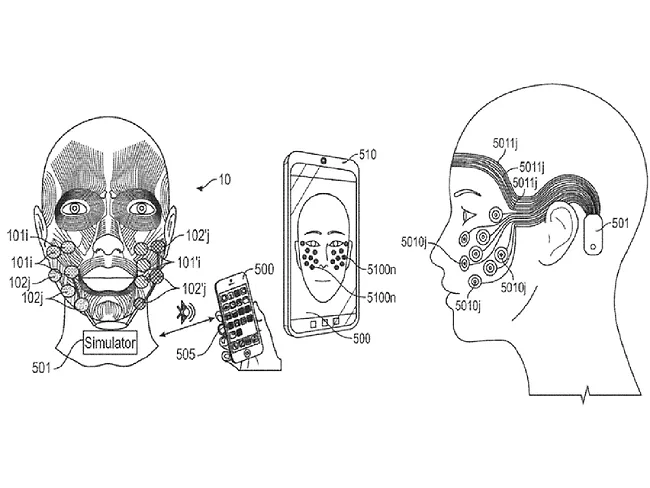
The first patenting from Neuro-Joy Ltd. details development of a device that electrically stimulates facial nerves and muscles in order to emulate a facial expression configured to ameliorate a mood disorder and improve symptoms of depression, anxiety and sleep disorders.