Dimicare Biotech and affiliated organizations have presented the discovery and preclinical characterization of DCB-001, a trichloroacetimidamide compound being developed as a novel precision antibiotic against multidrug-resistant strains.
In a recently published study, researchers based at Université Paris-Saclay identified OXA-1186, a novel carbapenemase related to the previously known OXA-198 enzyme, in a clinical isolate of Citrobacter freundii. This discovery underscores the ongoing challenge of antibiotic resistance in bacterial pathogens.
Evotec International GmbH and Nosopharm SAS have jointly described odilorhabdin analogues reported to be useful for the treatment of multidrug-resistant bacterial infections.
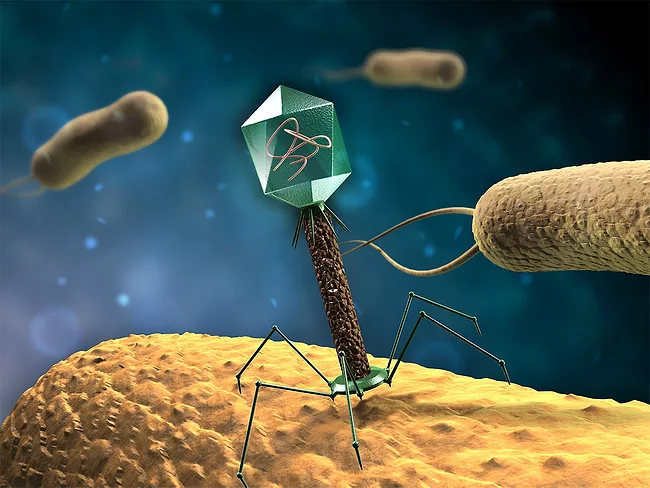
The spread of drug-resistant bacteria is a global health concern and could once again become a leading cause of mortality. The World Health Organization has flagged carbapenem-resistant Acinetobacter baumannii as a top priority pathogen requiring innovative therapies for its management, which has a mortality rate of 25%-60% and caused more than 100,000 deaths worldwide in 2019. Therapy based on the use of bacteriophages (phages) to fight antibiotic-resistant bacteria is one such innovative strategy.
The spread of drug-resistant bacteria is a global health concern and could once again become a leading cause of mortality. The World Health Organization has flagged carbapenem-resistant Acinetobacter baumannii (CRAB), which has a mortality rate of 25%-60%, as a top priority pathogen requiring innovative therapies for its management. Researchers from the HUN-REN Biological Research Centre in Hungary have published a paper in Cell in which they describe designing and developing phage cocktails that target the most prevalent CRAB strains within specific geographic regions by using phylogeographic analysis and mapping the pathogen’s genetic diversity.
Antimicrobial peptides, existing in animals and plants, are the first line of defense of the organisms against bacteria. Thymol and carvacrol are two monoterpenoids with known antibacterial activity exerted through bacterial cell membrane structural disruption, which contributes to a lower risk of developing resistance compared to antibiotics acting against specific targets on cells.
The inappropriate use of antibiotics over long periods of time has led to increasing bacterial drug resistance. Quinolones are among the most effective and widely used antibacterials, and there are ongoing efforts to develop new quinolone-based drugs able to overcome emerging bacterial drug resistance.
Methicillin-resistant Staphylococcus aureus (MRSA) is one of the main causes of both community-acquired and hospital-acquired infections and has become resistant to almost all known available antibiotics. Researchers from Hong Kong Polytechnic University and collaborators reported on a new series of indole-benzosulfonamide oleanolic acid derivatives with the potential to be used against multidrug-resistant bacteria.
Amicetin-inspired inhibitors of the P-site (AIIPS), also known as CZ-02s, are a series of molecules that target and inhibit a unique site of the bacterial ribosome.
Vedanta Biosciences Inc. has been awarded $3.9 million in funding from the Combating Antibiotic-Resistant Bacteria Biopharmaceutical Accelerator (CARB-X) to advance its VE-707 preclinical development program for reducing colonization and preventing subsequent infections caused by multidrug-resistant organisms (MRDOs).