The potential for using real-world data (RWD) to support the development of cancer drugs for children has yet to be realized as researchers, sponsors and regulators continue to struggle with the collection of meaningful data.
Despite the demonstrated benefits of using patient-reported outcomes (PROs) in clinical trials assessing new cancer drugs in adults, PROs are rarely used in pediatric cancer trials. Hoping to change that, the FDA is convening the pediatric subcommittee of its Oncologic Drugs Advisory Committee (ODAC) May 11 to discuss how to effectively use a pediatric form of the PRO version of the common terminology criteria for adverse events.
While last week’s marathon Oncologic Drugs Advisory Committee meeting to consider accelerated approvals for cancer drugs that didn’t demonstrate effectiveness in confirmatory trials was a good step forward, oncologists need the FDA to do more to ensure drug labeling truly reflects the benefit of the product.
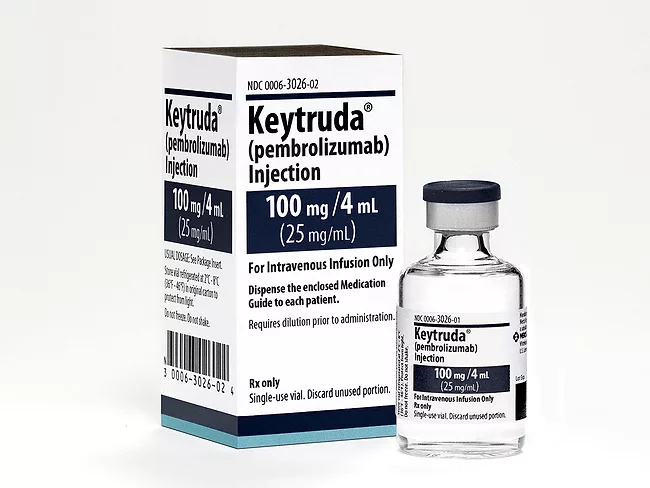
The FDA’s Oncologic Drugs Advisory Committee voted 6-2 April 29 to recommend withdrawing accelerated approval for Merck & Co. Inc.’s Keytruda (pembrolizumab) as a third-line treatment for a subgroup of patients with recurrent locally advanced or metastatic gastric or gastroesophageal junction cancer. The vote was based on FDA assurances that, if it withdrew the approval, it would work with Merck to delay the withdrawal or set up an access program to ensure the estimated 1,000 patients who are beyond first-line treatment could still get Keytruda.
In the final part of its three-day meeting on accelerated approvals granted to anti-PD-1/PD-L1 antibodies, the FDA’s Oncologic Drugs Advisory Committee (ODAC) voted unanimously to continue the accelerated approval for Merck & Co. Inc.’s Keytruda (pembrolizumab) as a therapy for patients with advanced hepatocellular carcinoma (HCC) who have been previously treated with sorafenib (Nexavar, Bayer AG).
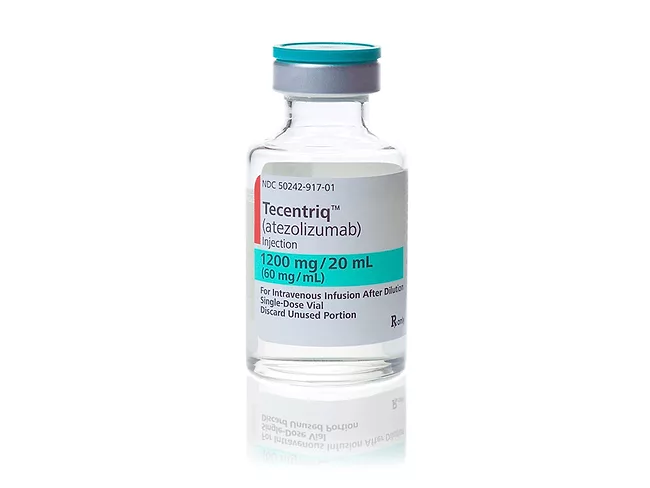
If the FDA follows the advice of its Oncologic Drugs Advisory Committee (ODAC), both Keytruda and Tecentriq will remain on the U.S. market, for the time being, with accelerated approval as first-line treatments for certain patients with advanced or metastatic urothelial carcinoma. The committee voted 5-3 April 28 to recommend continuing accelerated approval for Merck & Co. Inc.’s Keytruda (pembrolizumab) and 10-1 for maintaining the accelerated approval of the Roche Group’s Tecentriq (atezolizumab) until the final data come in from a confirmatory trial that’s expected to be completed next year.
In a virtual meeting fraught with technical difficulties, the FDA’s Oncologic Drugs Advisory Committee (ODAC) voted 7-2 April 27 that the accelerated approval for Tecentriq (atezolizumab) in combination with nab-paclitaxel as a treatment for unresectable locally advanced or metastatic triple-negative breast cancer (mTNBC) in adults with PD-L1+ tumors should continue as additional trials are conducted or completed.
As part of a U.S. FDA evaluation of confirmatory trials for anti-PD-1/PD-L1 antibodies, the agency’s Oncologic Drugs Advisory Committee (ODAC) is being asked this week to consider whether three blockbuster biologics should continue to be available for certain cancer indications for which they received accelerated approval. At question is whether the data from the confirmatory trials for the Roche Group’s Tecentriq (atezolizumab), Merck & Co. Inc.’s Keytruda (pembrolizumab) and Bristol Myers Squibb Co.’s Opdivo (nivolumab) has proved sufficient benefit in particular indications and, if not, whether alternative or ongoing trials could do so.