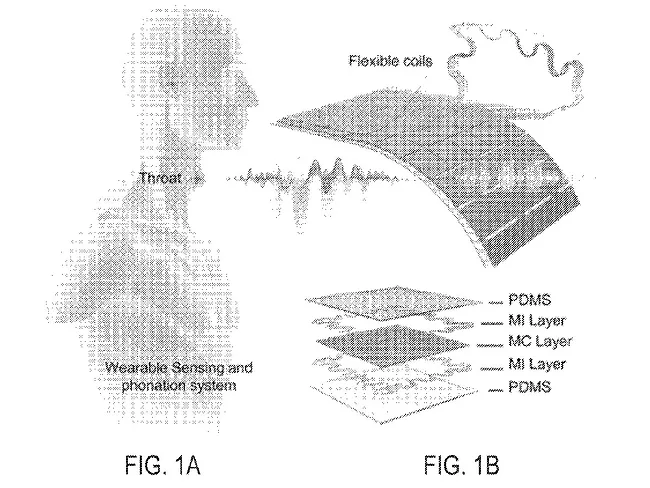
Jun Chen, a tenured associate professor of bioengineering at the Samueli School of Engineering at the University of California Los Angeles (UCLA), leads a team developing a speech-sensing wearable patch. The technology translates the intricate muscle movements of the larynx into discernible speech.
U.K. researchers at Nottingham Trent University, the University of Southampton and University Hospital Southampton and product development company Zelemiq Ltd. developed a wearable sensor that accurately monitors and detects changes in people’s breathing without requiring direct contact with the skin.
A new position paper from the International Society of Hypertension pinpoints the benefits and drawbacks of novel blood pressure management technology, including the latest cuff-based and cuffless and wearable devices like BP-measuring watches and rings.
Metyos SAS has raised €2.3 million (US$2.7 million) in pre-seed funding for its biowearable sensor technology which monitors patients with chronic kidney disease (CKD). The funds will be used to progress the technology through clinical trials ahead of FDA approval.
A team of inventors predominantly based in the state of New York are seeking patent protection for an earbud system that integrates real-time electroencephalography (EEG) monitoring with audio playback. Using specialized silicone electrodes, it captures and interprets EEG data, serving as a passive and continuous tool for screening neurological conditions.
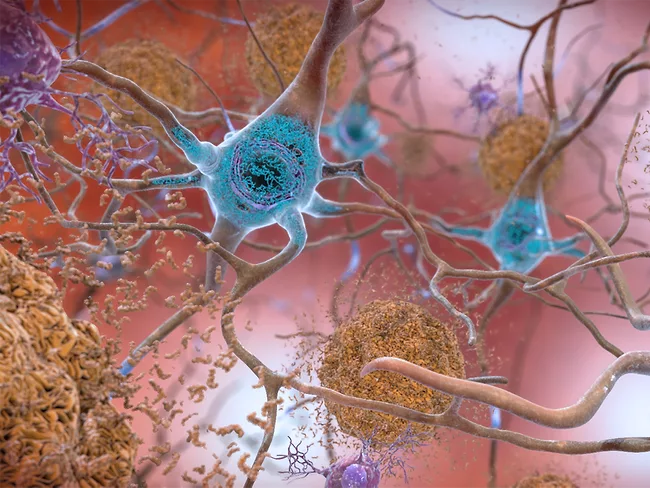
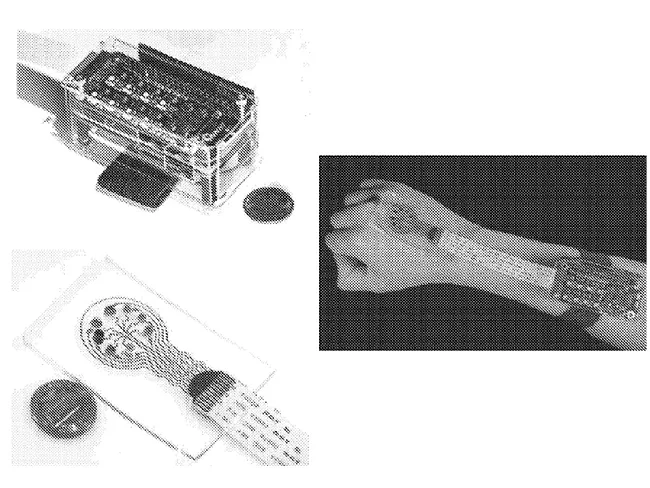
Eisai Co. Ltd. and Oita University in Oita Prefecture, Japan, developed a first-of-its-kind machine learning model to predict amyloid beta accumulation in the brain using a wristband sensor. The model, which collects biological and lifestyle data from daily life, is expected to enable screening for brain amyloid beta accumulation to identify those at risk for Alzheimer's disease, particularly because amyloid beta begins to accumulate in the brain about 20 years before the onset of the disease.
Eisai Co. Ltd. and Oita University in Oita Prefecture, Japan, developed a first-of-its-kind machine learning model to predict amyloid beta accumulation in the brain using a wristband sensor. The model, which collects biological and lifestyle data from daily life, is expected to enable screening for brain amyloid beta accumulation to identify those at risk for Alzheimer's disease, particularly because amyloid beta begins to accumulate in the brain about 20 years before the onset of the disease.
Researchers from the University of Minnesota are seeking patent protection and possible collaborators for their development of three-dimensional (3D) printed skin-wearable photodetector devices.
The holidays are looking brighter for Masimo Corp. with two bits of good cheer this week for the company. Apple Inc. confirmed to BioWorld that it will preemptively pull two smartwatches from its website and retailers in response to a Masimo infringement case that persuaded the International Trade Commission to block their import.
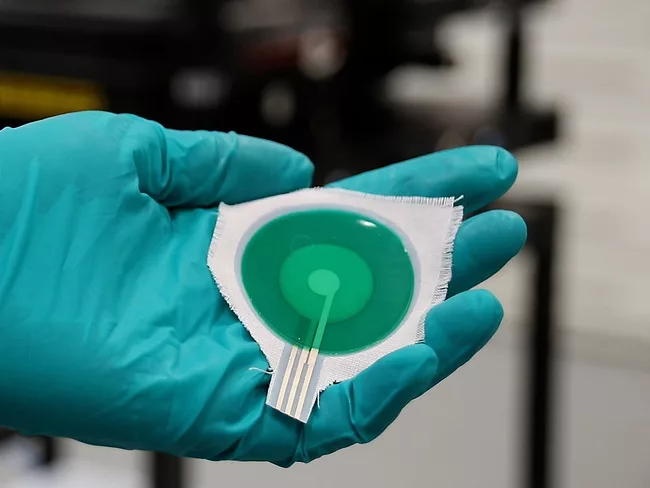
Wubin Bai, assistant professor of applied physical sciences, and members of his lab at UNC-Chapel Hill have developed a wearable, wireless sensing patch for deep tissue monitoring of multiple biometric indicators, including tissue oximetry, pulse oximetry, photoplethysmography, heart pulsation, and respiration.