Autosomal dominant polycystic kidney disease (PKD) is a chronic and debilitating condition affecting over 12 million patients worldwide. PKD arises from mutations in the polycystin-1 (PC1) or PC2 genes. PKD is characterized by the formation of fluid-filled cysts in the kidneys, leading to inflammation, fibrosis and organ damage, ultimately resulting in renal failure.
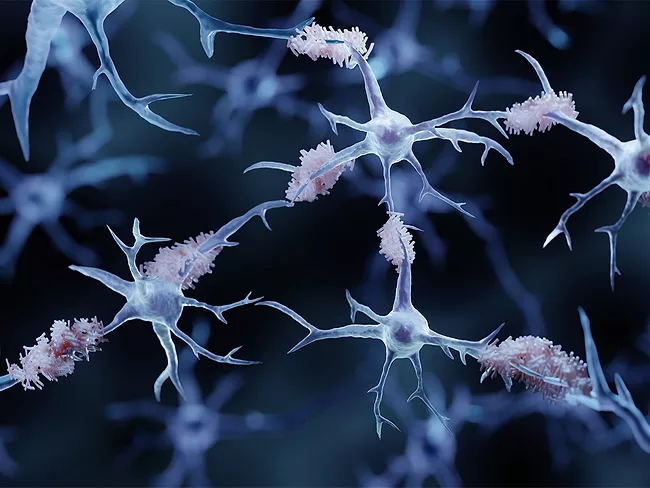
Alzheimer’s disease (AD) is a progressive neurodegenerative disorder characterized by synaptic dysfunction, neuronal loss and the accumulation of amyloid plaques and neurofibrillary tangles, ultimately leading to cognitive decline. Despite significant research efforts, no existing treatment has proven effective enough to stop or reverse the progression of the disease.
The third most significant genetic risk factor for late-onset Alzheimer’s disease is a mutation in the clusterin (CLU) gene that disrupts the expression of sCLU, a cytoprotective protein involved in preventing protein aggregation and promoting the clearance of misfolded proteins.
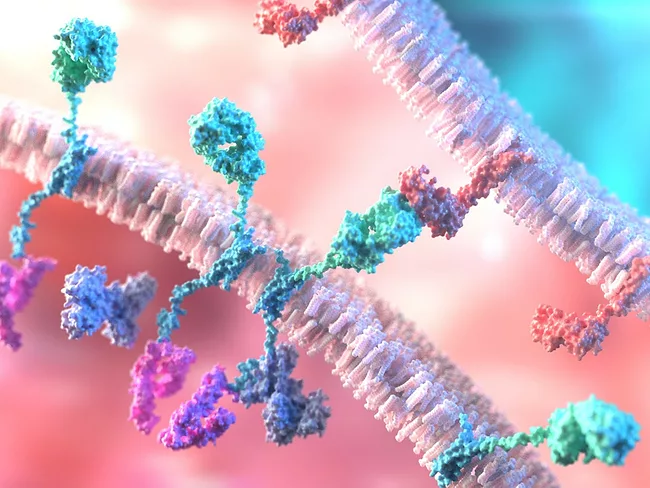
Although CAR T-cell therapies have reached significant clinical success in hematological malignancies, their utility in solid tumors remains limited. One of the main challenges is the scarcity of truly cancer-specific antigens for precise targeting of solid tumors. The use of engineered small, specific antigen-binding domains, such as nanobodies, could be a potential strategy to improve the specificity and efficacy of CAR T cells against solid tumors.
University of California has described tropane derivatives acting as 5-HT2 and muscarinic receptor ligands reported to be useful for the treatment of psychiatric disorders, depression, neurodegeneration, substance abuse and dependence, migraine, Alzheimer’s disease and Parkinson’s disease.
A University of California patent describes new inhibitors of GTPase KRAS, particularly KRAS G12D mutant, reported to be useful for the treatment of cancer.
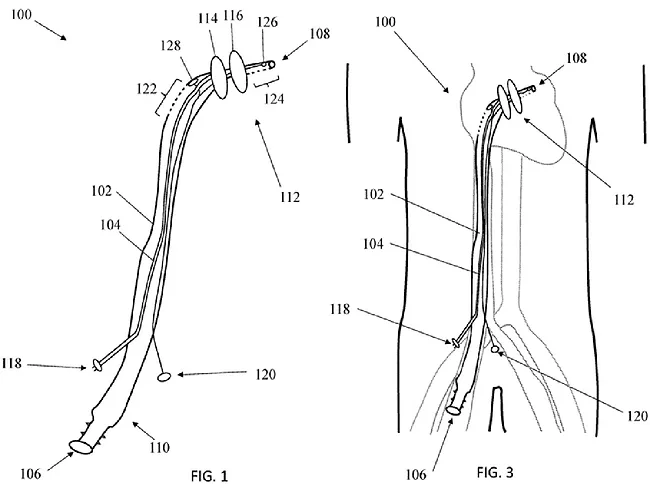
Researchers from UCLA’s Department of Cardiac Surgery filed for protection of a smart multistage peripherally inserted cannula with active fixation for temporary cardiopulmonary support which simultaneously drains both sides of the heart.
The Annual Congress of the European Committee for Treatment and Research in Multiple Sclerosis (ECTRIMS) meeting in Copenhagen this week is celebrating its 40th edition. In recognition of this landmark, the plenary session and opening lecture were attended by Queen Margrethe of Denmark. Afterward, the hot topic session on neuroprotective therapies set the stage for the subsequent discussions on the latest trends in the management and treatment of multiple sclerosis (MS).