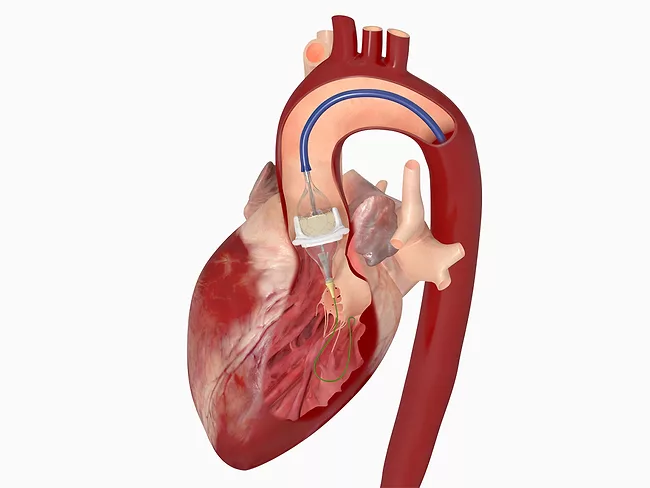
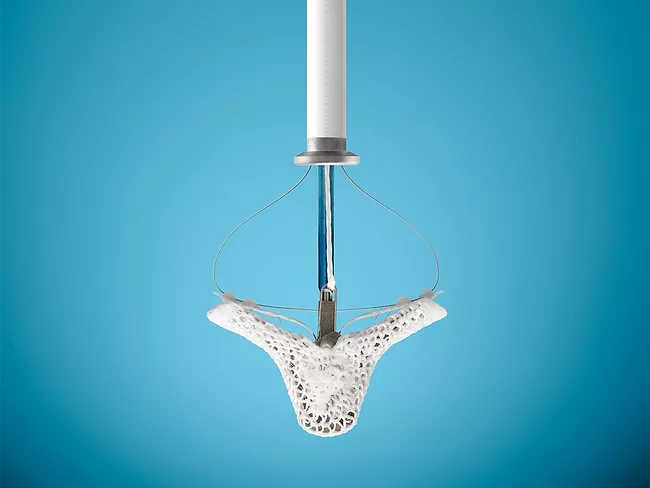
Keystone Heart Ltd., of Caesarea, Israel and Tampa, Fla., scored a win in Europe after obtaining the CE mark for the Triguard 3 cerebral embolic protection (CEP) device. It is designed to minimize the risk of cerebral damage by deflecting embolic debris away from cerebral circulation during transcatheter aortic valve implantation (TAVI) and other transcatheter heart procedures. According to the company, the device is the only product with a CE mark designed to cover and protect all three major cerebral aortic arch vessels.
SAN JOSE, Costa Rica – Two decades ago, the Costa Rican economy was basically an agriculture-based economy. Since then, the tiny Central American country has emerged as the second-largest med-tech exporter in the region as well as an eager partner and supplier of skilled manpower.
NATIONAL HARBOR, Md. – Cardiovalve Ltd., of Or Yehuda, Israel, scored a double hit with the U.S. FDA, winning a breakthrough device designation for its transcatheter tricuspid valve replacement system, as well as approval to conduct an early feasibility study in tricuspid regurgitation (TR).
The advent of transcatheter aortic valve replacement (TAVR) changed the framework for dealing with aortic valve stenosis, but some clinicians might argue there was a corresponding and inappropriate rush away from surgical aortic valve replacement (SAVR).
Edwards Lifesciences Corp., of Irvine, Calif., reported positive quarterly results Jan. 30, and it was particularly bolstered by strength with transcatheter aortic valve replacement (TAVR). CEO Mike Mussallem called out the fourth quarter underlying sales growth of 19%, giving much credit to TAVR.
While the U.S. Centers for Medicare and Medicaid Services (CMS) revisits its coverage policy for transcatheter mitral valve repair devices, several physician societies have drafted recommendations for operator and institutional volume requirements that could restrict the number of centers authorized to practice devices such as Abbott Park, Ill.-based Abbott Laboratories’ Mitraclip.
Edwards Lifesciences Corp. added more than $20 billion so far this year to its market cap to exceed a $50 billion valuation. Executives worked to convince Wall Street that 2020 and beyond are lining up to be additional banner years for the cardiovascular med-tech giant at the company’s annual investor meeting. While the newly introduced guidance for next year from Edwards was largely in line or a bit better than analysts had anticipated, its share price remained relatively flat on the event.
Edwards Lifesciences and Medtronic have struggled for supremacy for transcatheter aortic valve devices for several years, but two recent studies suggest the Edwards line of devices provide better outcomes. However, another study gave new life to the notion that TAVR devices are underutilized, signaling that there is plenty of market for both companies.
Edwards Lifesciences Corp. has been unstoppable so far this year, driven by the rapidly expanding adoption of transcatheter heart valve therapy. It beat expectations in its third-quarter earnings report, drawing praise and even higher expectations from Wall Street analysts. The Irvine, Calif.-based company recently received an expanded FDA indication for its Sapien 3 and Sapien 3 Ultra TAVR systems to treat surgical low-risk patients with severe aortic stenosis. (See BioWorld MedTech, Aug. 19, 2019.)
A recent medical journal article says the terminology used by physicians to denote a fatality in the FDA adverse event reporting system has led to underreporting of fatalities associated with two prominent cardiology devices, a predicament the authors say skews the public understanding of these devices' safety profiles.