Although it was recently overturned in a legal challenge, a short-lived California state law mandating gender quotas for corporate boards may have made a few drug and device companies based in the state think twice about the makeup of their boards.
The FDA’s device center has long been at the task of reclassifying legacy devices that promise a moderate degree of risk, but successful de novo device applications also call for a class II listing. The agency recently posted five such risk classifications, including for a device developed by Edwards Lifesciences Corp., of Irvine, Calif.
Edwards Lifesciences Corp. has won the FDA’s nod for its Acumen hypotension prediction index (HPI) software with the Acumen IQ finger cuff. Prior to receiving this 510(k) clearance, the low blood pressure prediction software was only available for patients using an invasive arterial line. The Acumen HPI software uses data gleaned from the Acumen IQ cuff, along with machine learning, to alert clinicians if a patient is at risk of hypotension, drops in pumping pressure that reduce the flow of oxygenated blood and nutrients to the body’s vital organs.
Egnite Inc. emerged from stealth mode in February 2021 with the goal of combining data analytics and digital health technology to illuminate and solve persistent issues in the diagnosis and treatment of structural heart disease. Three months later, it has added artificial intelligence (AI) to its flagship solution, Cardiocare, to drive better diagnosis of aortic stenosis and help physicians predict patient outcomes.
CAJICA, Colombia – Three countries have emerged as the key engines of growth for Latin America’s medical devices sector, accounting for the largest share of exports and investment in the space across the region and experiencing growth over the past decade that may have been supercharged by the COVID-19 pandemic.
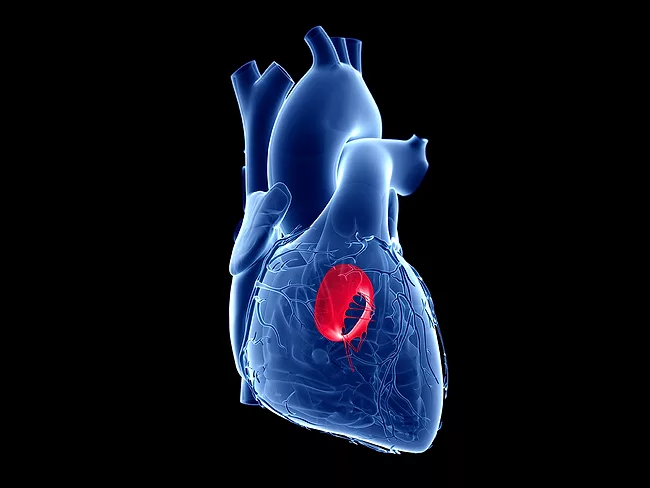
The U.S. Centers for Medicare & Medicaid Services (CMS) issued a final version of a proposed rewrite of the national coverage determination (NCD) for mitral valve repair devices that includes a coverage with evidence development (CED) mandate. The final also retains the draft’s provisions for secondary mitral valve regurgitation, which analysts say will double or even triple the market for devices thus approved by the FDA.
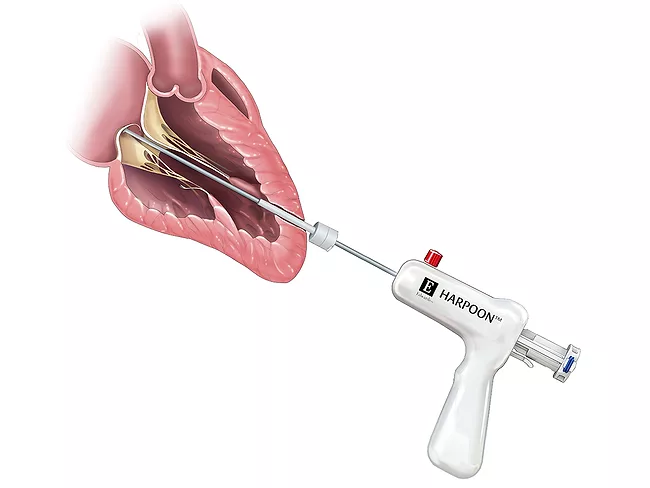
Edwards Lifesciences Corp. launched a pivotal trial of its mitral valve repair system in the U.S., with the first patient undergoing treatment for severe degenerative mitral valve regurgitation at the University of Maryland Medical Center in Baltimore. Open-heart surgery is the current standard approach to mitral valve repair, but the Harpoon Beating Heart mitral valve repair system allows surgeons to use a minimally invasive approach, according to Edwards Lifesciences.
Corrective and preventive action (CAPA) has a long and difficult history where med tech is concerned. Kathryn Merrill, the global quality/regulatory program director for Medtronic plc, of Dublin, said on a recent webinar that one of the main sources of uncertainty is that many in industry are not clear as to which circumstances dictate that a CAPA should be opened.
Edwards Lifesciences Corp. held its 2020 virtual investor conference Dec. 10, providing details on its 2021 financial outlook. The company is projecting global mid-teen sales growth totaling $4.9 billion to $5.3 billion and a return to double-digit sales growth in its transcatheter aortic valve replacement (TAVR) business. Earnings per share (EPS) guidance for the coming year is $2-2.20, below the consensus estimate of $2.21, due to investments in R&D and sales to fuel future growth.
Edwards Lifesciences Corp. reported good news this week, with its third-quarter results exceeding expectations. Sales came in at $1.1 billion, an increase of 4%, and CEO Mike Mussallem highlighted the success of transcatheter aortic valve replacement (TAVR), with the Sapien valve platform performing well. Mussallem noted that TAVR sales were $745 million, up 6%, with Europe showing strength.