Rheumatoid arthritis (RA) is a chronic autoimmune disorder marked by joint inflammation, cartilage loss and bone damage. Although biological disease-modifying antirheumatic drugs have improved treatment outcomes, the disease remains incurable.
α7 nicotinic acetylcholine receptors (α7nAChRs), expressed in neurons and astrocytes at lower levels, have been implicated in neuroinflammatory and neurodegenerative processes associated with Alzheimer’s disease (AD). Evidence suggests that α7nAChRs interact with soluble amyloid-β (Aβ), contributing to reactive astrogliosis and formation of Aβ plaques in AD.
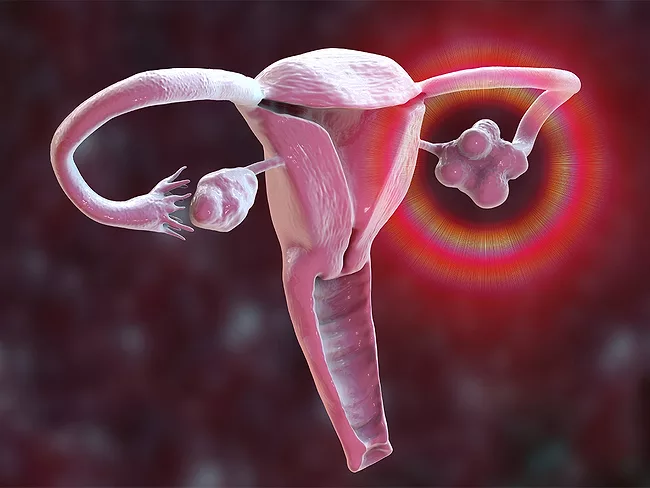
Although the causes of polycystic ovary syndrome (PCOS) are unclear, researchers know this condition leads to endometrial dysfunction in women who have hormonal imbalances, and insulin resistance. Now, a study led by scientists at the Karolinska Institutet in Sweden has revealed the cellular and genetic differences that distinguish this disorder in the first atlas of the human endometrium during the proliferative phase of the menstrual cycle.
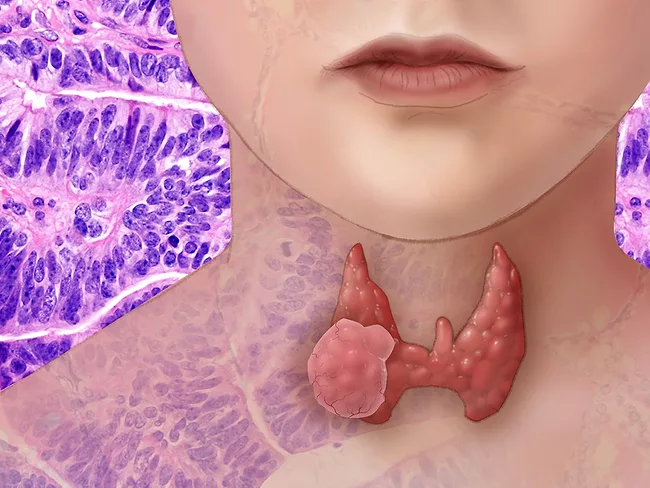
Anaplastic thyroid cancer (ATC) is a rare but aggressive form of thyroid cancer, accounting for nearly 50% of thyroid cancer-related deaths. Given its poor prognosis, the identification of new therapeutic strategies is a critical medical need. Molecular radiotherapy is an emerging field in oncology, and CD44v6, a cell surface antigen overexpressed in several cancers, has been proposed as a promising target for ATC treatment.
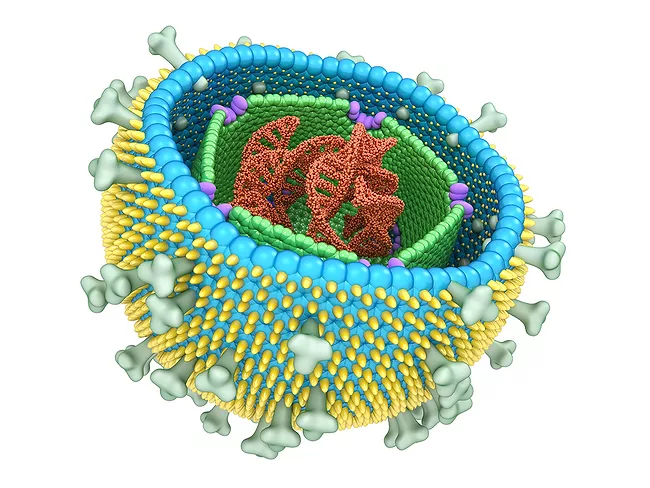
A combination of Epstein-Barr virus (EBV) antibodies and genetic factors may be linked to an increased risk of multiple sclerosis (MS), according to a study led by scientists at Karolinska Institutet and Stanford University. “The Epstein-Barr virus has been a suspect for many years for having a role in causing MS. The evidence for it has increased though one has not really reached complete proof of its role,” Tomas Olsson told BioWorld.
Researchers from Astrazeneca plc and Karolinska Institutet have described the positron emission tomography (PET) evaluation of [11C]AZD-2423, a chemokine receptor type 2 (CCR2) radioligand in non-human primate (NHP) brain imaging. CCR2 is essential in immune cell migration control. It is mainly expressed in microglia and monocytes and closely linked to the brain’s immune defense.
Darier disease (DD) is a rare cutaneous disease caused by heterozygous mutations in the ATP2A2 gene, which encodes sarco/endoplasmic reticulum calcium ATPase isoform 2 (SERCA2).
How do exercise and insulin collaborate in metabolism? The European Association for the Study of Diabetes (EASD) and the Novo Nordisk Foundation recognized the work of Juleen Zierath in this topic with the Diabetes Prize for Excellence at their recent annual meeting.
How do exercise and insulin collaborate in metabolism? The European Association for the Study of Diabetes (EASD) and the Novo Nordisk Foundation recognized the work of Juleen Zierath in this topic with the Diabetes Prize for Excellence at their recent annual meeting.