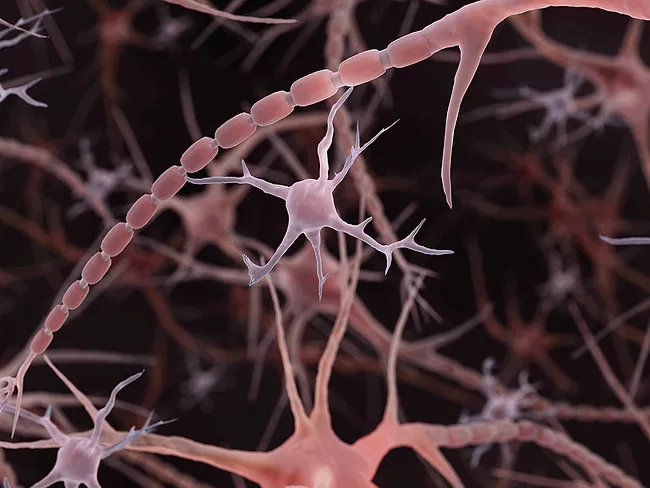
Scientists from the Karolinska Institute have found two different types of cells that give rise to the fibroblasts that form fibrotic scars after spinal cord injury (SCI) depending on their location. In a study in mice, the researchers observed that pericytes acted in lesions that affect the gray matter and perivascular fibroblasts acted in the white matter.
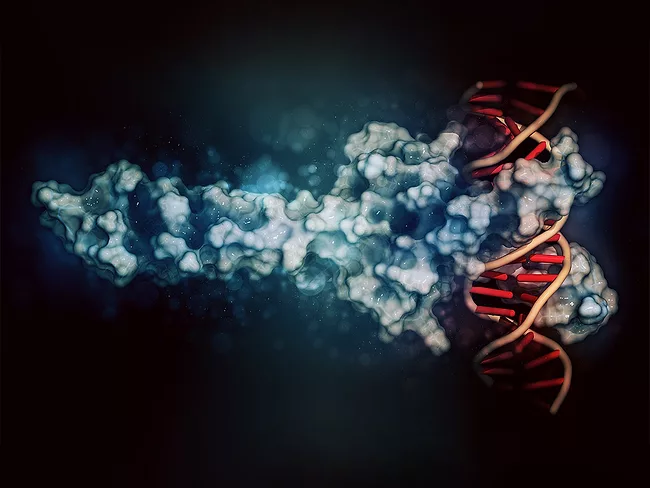
Scientists at the Karolinska Institutet in Sweden have found a new region in the c-Myc oncogene that would allow the development of a binding compound to target it. Their discovery is based on a structural switch that leads to open and closed conformations of the domain, allowing or not its interaction with a protein required for the oncogenic activity of c-Myc.
Psoriatic arthritis mutilans (PAM) is a rare variant and the most severe form of psoriatic arthritis where patients present erosions of the small joints and osteolysis leading to joint disruption and shortening of one or more digits. To date, no susceptibility genes have been determined.
Researchers from Karolinska Institutet and collaborators have reported on the characterization of novel human anti-CD44v6 antibodies aimed to be used as anticancer agents in the radiotherapy of CD44v6-expressing cancers.
The glucagon-like peptide-1 receptor (GLP-1R) agonists semaglutide and liraglutide are used for type 2 diabetes and have proven clinically successful in regulating blood glucose levels, but adverse drug reactions (ADRs) have ranged from nausea and diarrhea to pancreatitis.
Researchers from the University of Copenhagen, Karolinska Institutet and affiliated organizations have reported the discovery of a novel gene therapy delivered through a cerebrospinal fluid (CSF) conduit as new treatment strategy for hearing loss.
While microglia constitute the immune cells of the brain, their potential role in the early development of neuronal circuitry is poorly understood. Investigators at the Karolinska Institutet, together with eight other institutions, characterized an anatomically distinct microglial cell population identified as expressing the arginase-1 (ARG1) enzyme.
By sequencing the bacterial mRNA that bacteria break down (the degradome) during protein synthesis, a novel approach called 5PSeq was able to analyze how environmental exposure stress, including that of antibiotics, affected bacterial translational dynamics. This is what researchers from the Karolinska Institutet led by Vicent Pelechano have discovered in their study published on May 22, 2023, in Nature Microbiology.
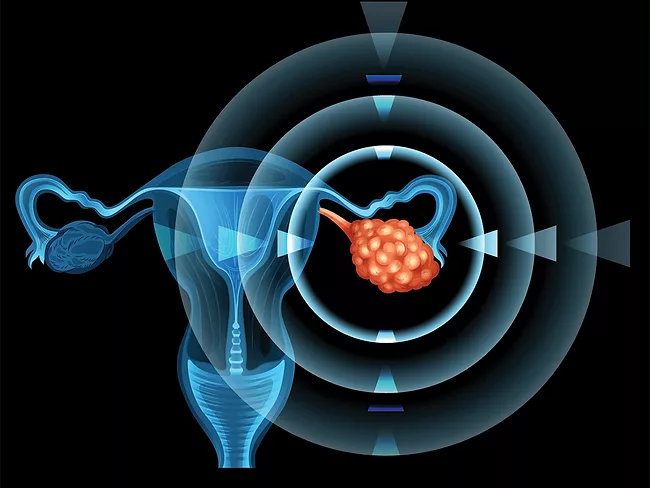
Mesothelin (MSLN) glycoprotein is overexpressed in many solid tumors and is considered a relevant target for antigen-specific therapies. In fact, chimeric antigen receptor (CAR) T-cell therapy against MSLN has shown promising results in preclinical models, as well as safety in a phase I trial.
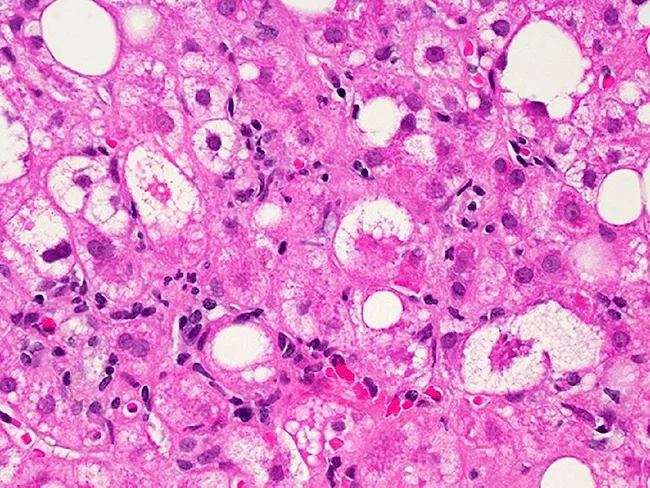
Insulin resistance in type 2 diabetes (T2DM) is associated with hepatosteatosis and the development of nonalcoholic fatty liver disease (NAFLD), with the pathogenesis of NAFLD being complex and involving the crosstalk between the liver and white adipose tissue (WAT).