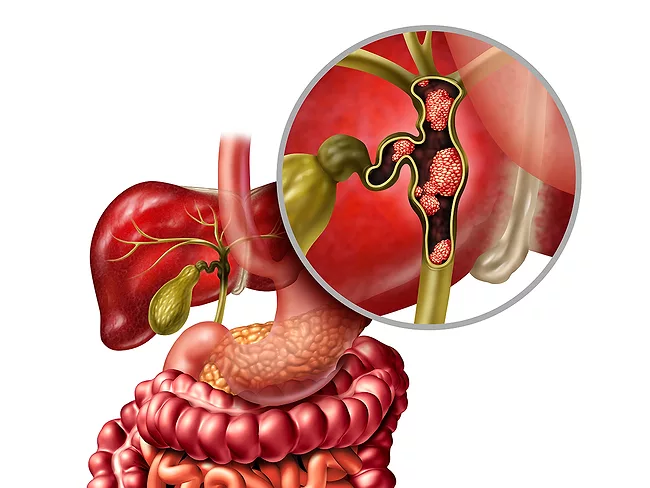
Cholangiocarcinoma is a rare cancer that arises from the intrahepatic biliary epithelium or extrahepatic bile ducts. Apart from genetic mutations, epigenetic changes are also contributing to cancer development, making DNA methylation and histone modification focus for cancer research.
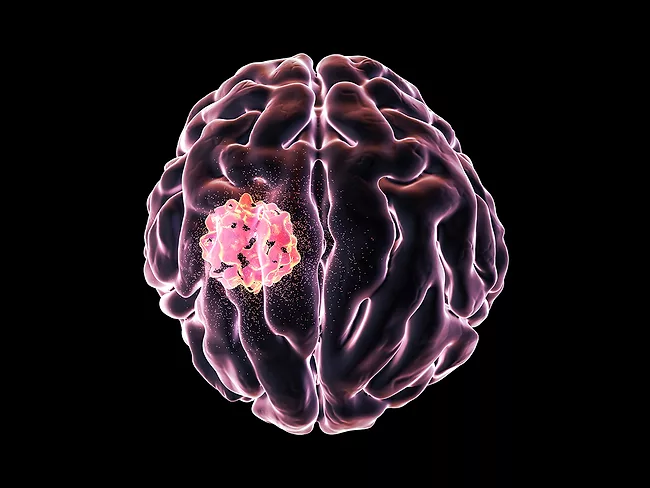
Glioblastoma (GBM) is an aggressive cancer from the CNS usually characterized by a very bad prognosis. It is known that around 30%-35% of patients with GBM develop epilepsy as a comorbidity of the disease.
Solute carrier family 25 member 19 (SLC25A19) is a transporter protein of thiamine pyrophosphate across cellular membranes, which is needed as a cofactor for multiple metabolic enzymes and is important for homeostasis regulation. It was hypothesized that SLC25A19 may be a pan-cancer marker and a therapeutic target, and more concretely in hepatocellular carcinoma (HCC).
Esophageal basaloid squamous cell carcinoma (EBSCC) is a rare type of esophageal squamous cell cancer (ESCC) characterized by basaloid features and considered to be more aggressive than ESCC. RNA sequencing was performed from 20 pure EBSCC and 11 poorly differentiated ESCC samples; researchers identified chondroitin sulfate proteoglycan 4 (CSPG4) as a potential marker of EBSCC at the mRNA level, which was verified by immunohistochemistry in these same samples.
Selenoprotein O (SELENOO) is an antioxidant mitochondrial enzyme that transfers AMP from ATP to protein substrates in a post-translational process known as AMPylation.
Triple-negative breast cancer (TNBC) is among the most aggressive breast cancer subtypes, with high metastasis and recurrence rates, as well as poor survival. While various molecular targets for TNBC do exist, the low proportion of expression of these molecules in TNBC tissues limits the number of patients that benefit from molecular therapeutics.
Urachal carcinoma is a rare cancer which lacks a standard drug therapy, and for which knowledge regarding its immunohistochemical features remains unclear. The aim of a recently reported investigation was finding potential markers and targets for urachal carcinoma based on antibody-drug conjugate targets, as well as its association with prognosis.
Gastric cancer (GC) is among the most malignant tumors in terms of incidence and mortality. Early diagnosis can improve the survival rate of patients, but there is a lack of effective biomarkers for the diagnosis and prognosis of GC. Zinc finger protein 1 homologue (ZFP1) plays an important role in transcriptional regulation during embryonic development. Its homologue, MLLT10, had been found to promote carcinogenesis in leukemia and colon cancer, but limited knowledge exists on the role of ZFP1 in cancer.