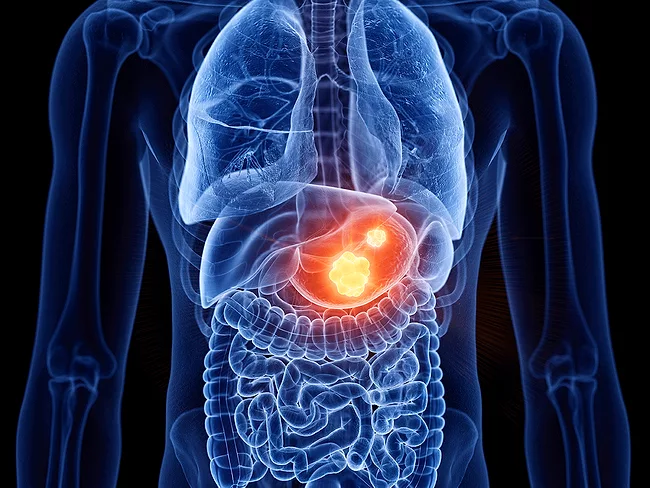
Gastric cancer persists as the fourth leading cause of cancer-related deaths. Syndecans (SDCs) are a family of four transmembrane heparan sulfate proteoglycans involved in cell proliferation, migration and adhesion, among others, and syndecan-4 (SDC4) expression has been shown to be up-regulated during the early stages of the gastric carcinogenesis.
Despite advances in diagnosis and treatment, cardiovascular disease remains the leading cause of death worldwide. Single-nucleotide polymorphisms (SNPs) in microRNAs are known to play important roles in acute coronary syndrome (ACS). MicroRNA 146a (miR-146a) is significantly upregulated in human atherosclerotic plaques and its circulating levels are elevated in patients with ACS, and was thus the focus of a recent study.
Neuroblastoma is among the deadliest cancers in infants, with frequent relapse and long-term survival being <10%. Recently, it has been found that protein RD3 is constitutively expressed in healthy adult and fetal tissues beyond the retina, and it follows a gradient expression from high to low levels in ganglioneuroma and neuroblastoma.
The role that mitochondrial inner membrane protein (IMMT) has in regards to clinicopathology and tumor microenvironment in breast cancer in unclear. IMMT is part of the mitochondrial contact site and cristae organizing system (MICOS) and its function is to maintain mitochondrial integrity.
Bladder small-cell carcinoma can be divided into different subtypes depending on the expression of neuroendocrine (NE) markers such as POU2F3, NEUROD1 and ASCL1. Single-cell RNA sequencing previously found a distinct subpopulation with high expression of 1-phosphatidylinositol 4,5-bisphosphate phosphodiesterase gamma-2 (PLCG2) with pro-metastatic features and poor prognosis. The aim of a newer study was to evaluate the expression of PLCG2 in bladder NE tumors and correlate it with prognostic utility.
The success of the treosulfan-based conditioning regimen in patients with β-thalassemia undergoing hematopoietic cell transplantation (HCT) is limited due to several complications, such as mixed chimerism and graft rejection. Researchers previously found that polymorphisms in the NQO1 or glutathione S-transferase A1 (GSTA1) genes had an impact on treosulfan pharmacokinetics, which then impacted related toxicities after HCT.
Recent findings unveiled that high serum levels of the molecular marker microRNA 371 correlate with the clinical stage and metastasis of seminomas (tumor of the testis germ cells) and nonseminomas. The expression of miR-371a-3p was evaluated in a cohort of patients with stage IIA/B seminoma and nonseminoma. Expression of miR-371a-3p was found to be positive in all 12 metastatic patients with seminoma or nonseminoma and was negative in 3 out of 4 nonmetastatic cases.
Receptor-interacting serine/threonine-protein kinase 2 (RIPK2) is a kinase protein that plays key roles in inflammation and antimicrobial response through the NF-kB signaling pathway, as well as it is known to activate c-MYC, which is involved in the progression of several malignancies, such as prostate cancer.
Previous studies have revealed that the microbiome plays a role in the development and progression of some cancers and gut microbiome has been linked with immune homeostasis as well as antitumor immune responses. In the current study, scientists at the University of California, Davis aimed to evaluate the intratumoral microbiome in patients with nonmetastatic soft tissue sarcoma (STS) undergoing neoadjuvant radiotherapy (RT) and surgery.