Researchers from Harvard Medical School, Yale University and University of Leiden have uncovered two new potential biomarkers of dysregulated glucose metabolism in Alzheimer’s disease (AD). Glucose hypometabolism is consistently observed in AD but the molecular changes behind this are unclear. Findings from recent research have indicated dysregulation of glycolysis markers in AD cerebrospinal fluid (CSF) and tissue.
Alterations in chromosome number can play a role in cancer progression. An analysis of recurrent aneuploidies, such as the duplication of the long arm of chromosome 1, revealed that it was required for the proliferation of cancer cells carrying this alteration, an effect that was similar to so-called oncogene addiction. These findings have therapeutic implications that could benefit cancer patients depending on the genetic singularity of their tumor cells.
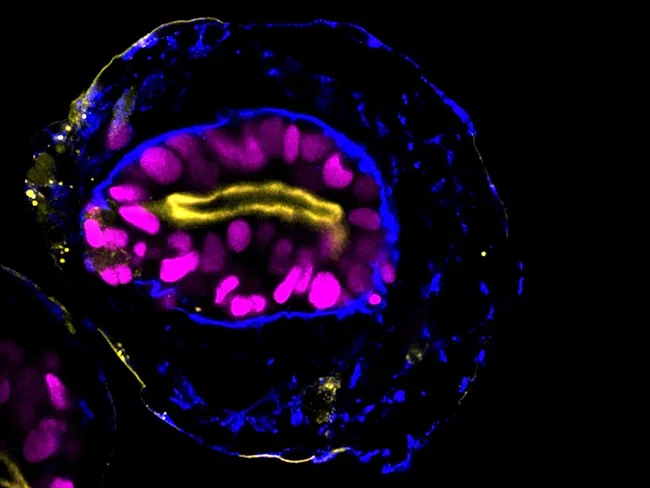
The development of an embryo in its early stages involves a series of processes in which cells interact and organize to form tissues. In humans, these stages are studied with animal models, stem cells and cell aggregates that mimic natural development phases, or with human embryos, depending on their availability and a strict protocol. Now, in back-to-back papers published online in Nature, scientists from Yale University and the University of Cambridge have two new embryonic models formed from human stem cells to study development after embryo implantation in the uterus.
Heart disease caused by damage to blood vessels is the leading cause of death worldwide. Arteries become clogged with fats and cholesterol when certain proteins in the body, known as lipoproteins, combine with and transport fats in the blood to cells. Scientists have long believed that the LDL receptor molecule was responsible for the intracellular transport of LDL. But given that some individuals lacking the LDL receptor still have high levels of LDL, questions remain about the mechanism.
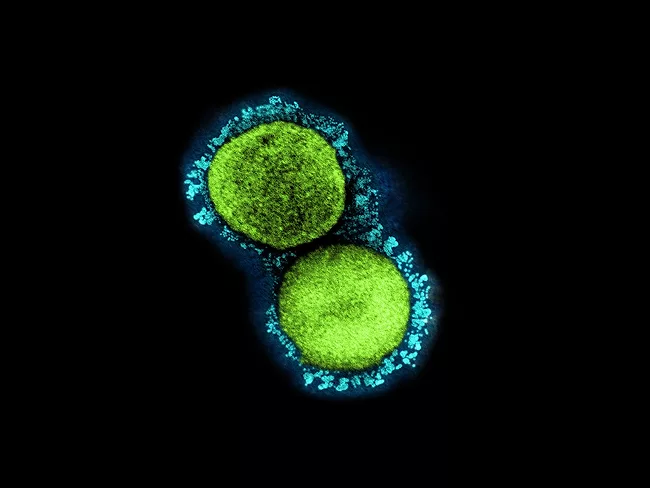
By analyzing a cohort of adolescents that developed myocarditis or pericarditis after vaccination against SARS-CoV-2 vaccination, researchers from Yale University School of Medicine were able to pinpoint the underlying mechanism as an overly active innate immune response to the vaccine that led to broad activation of T cells and natural killer (NK) cells. Myocarditis “has been seen in other vaccine contexts, though is most common after viral infection,” Carrie Lucas told reporters at a press conference announcing the findings.
Current prophylactic and therapeutic approaches for SARS-CoV-2 are effective, but the need for new approaches with broad activity makes virus-host interactions an essential piece to look at.
Gut bacteria used liquid-liquid phase separation (LLPS) to organize themselves into condensates, which allowed them to adapt to nutrient deprivation, enabling them to colonize the gut. In experiments reported in the March 17, 2023, issue of Science, investigators showed that a mutant of the beneficial gut bacterium Bacteroides thetaiotaomicron was “highly defective in competitiveness, in its ability to colonize the mammalian gut,” senior author Eduardo Groisman told BioWorld. “Our paper provides the first example in which [LLPS] matters in bacterial host interactions.”
Researchers from Yale University and affiliated organizations published data from a study that aimed to assess the mechanistic and pathophysiological importance of plaque-associated axonal spheroids (PAASs) in Alzheimer’s disease (AD).
Beyond every binary is a more complex reality. And so it is with driver and passenger mutations. The separation of tumor mutations into drivers and passengers underpins much progress in the development of targeted therapies.