Chronic inflammatory and neuropathic pain are among the most common chronic conditions, but their treatment options present significant limitations both in efficacy and safety. Researchers from Purdue University presented data on their work aimed to develop adenyl cyclase type 1 (AC1, ADCY1) inhibitors as a new treatment for chronic pain.
Researchers from High Point University recently reported the discovery and preclinical evaluation of a novel class of highly selective dopamine D4 receptor-selective ligands as potential therapeutic candidates for substance use disorders.
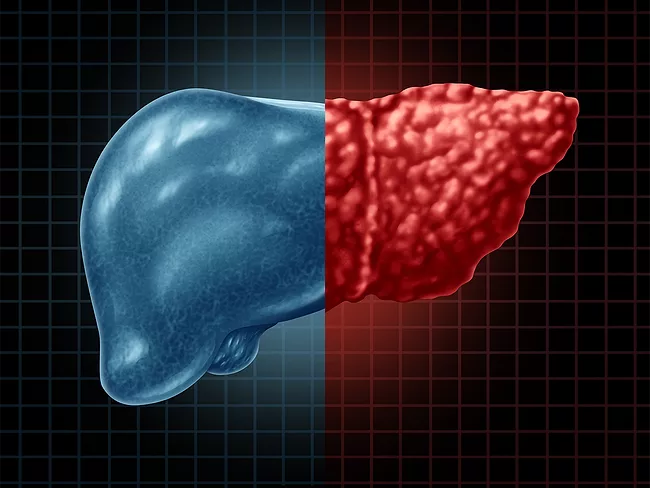
Deregulation of enzymes that control lipid turnover such as adipose triglyceride lipase (ATGL) is an essential contributor to nonalcoholic fatty liver disease. Recent studies suggest that a fraction of the cytosolic pool of ATGL is proteasomal degraded by E3 ligase constitutive photomorphogenesis protein 1 (COP1).
Abbvie Inc. recently disclosed the discovery and structure of the anti-tumor necrosis factor (TNF) glucocorticoid receptor modulator (GRM) immunology antibody-drug conjugate (iADC) ABBV-154. The drug is in phase II clinical development as a subcutaneous treatment for rheumatoid arthritis and polymyalgia rheumatica, and as a subcutaneous or intravenous treatment for active Crohn’s disease.
To date, only one drug has been approved for the treatment of itch (persistent pruritus) and it only targets a small portion of the patient population. Researchers from Mallinckrodt plc have unveiled gastrin-releasing peptide receptor (GRPR) as an itch-specific receptor for nonhistaminergic itch.
Researchers from the University of Arizona presented the discovery of first-in-class dual-specificity tyrosine phosphorylation-regulated kinase 1A/B (DYRK1A/B) proteolysis targeting chimeras (PROTACs) as potential Alzheimer’s disease (AD) therapeutic candidates.
Protein-tyrosine phosphatase SHP-1 is a negative regulator of immune cell function and is broadly expressed in the hematopoietic compartment. Due to its role in immune cell signaling, SHP-1 may be explored as a target for tumor immunotherapy.