Given that Novavax Inc.’s COVID-19 vaccine will be a latecomer to the U.S. scene if it gets FDA authorization, it’s been cast in a supporting role to the lead being played by the mRNA vaccines from Moderna Inc. and Pfizer Inc.-Biontech SE. But the data presented at the June 28 Vaccines and Related Biologic Products Advisory Committee meeting suggest the Novavax adjuvanted protein vaccine may have the chops to take on a larger role in taming the pandemic.
COVID-19 boosters for the fall should contain an omicron component, the FDA’s Vaccines and Related Biologic Products Advisory Committee (VRBPAC) said June 28, voting 19-2 to make that recommendation.
While the World Trade Organization (WTO) is taking a victory lap for getting a five-year intellectual property (IP) waiver across the finish line for COVID-19 vaccines, the accomplishment is being panned by spectators on both sides of the track.
More than two years into the COVID-19 pandemic and nearly 18 months since a vaccine was first available for adults, the U.S. is on the cusp of having vaccines available to the youngest Americans.
Given the safety and efficacy data presented June 7 for Novavax Inc.’s COVID-19 vaccine, NVX-CoV2373, it came as no surprise when the U.S. FDA’s Vaccines and Related Biologic Products Advisory Committee voted 21-0, with one abstention, to support an emergency use authorization for the vaccine, which is already approved and being used in many other countries, including the EU and Canada.
Shares of Novavax Inc. dropped 19% after briefing documents released ahead of the U.S. FDA’s June 7 advisory committee raised concerns about risks of myocarditis associated with COVID-19 vaccine NVX-CoV2373, though reviewers also noted the vaccine could offer protection against the omicron variant. The stock (NASDAQ:NVAX) closed June 3 at $44.76, down $11.21.
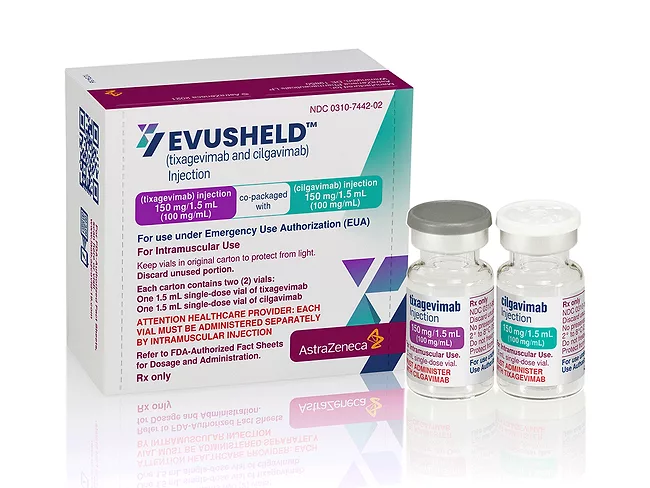
Astrazeneca plc led the handful of firms rolling out COVID-19-related news, as the company said detailed results from the Provent phase III pre-exposure prophylaxis (prevention) trial with Evusheld (tixagevimab and cilgavimab), were published in the New England Journal of Medicine, the “culmination of about 19 months of pretty intensive work,” said Mark Esser, vice president of microbial sciences.
The U.S. COVID-19 vaccine program is at risk of “booster fatigue,” which will undermine public confidence in the vaccines, several members of the CDC’s Advisory Committee on Immunization Practices (ACIP) said April 20 as they met to discuss the future of the vaccines. Rather than relying on boosters, “we need to use our expertise to advocate for something that’s better,” something that resolves the ill effects of COVID-19, whether it’s mild or severe, said Lynn Bahta, an immunization program clinical consultant for the Minnesota Department of Health.
The Drugs Controller General of India has granted Novavax Inc. and the Serum Institute of India Pvt. Ltd. emergency use authorization (EUA) for Novavax’s protein-based COVID-19 vaccine. It was authorized for use in adolescents aged 12 to 18 years. The vaccine will be manufactured and marketed in India by the Serum Institute under the brand name Covovax.
The Drugs Controller General of India has granted Novavax Inc. and the Serum Institute of India Pvt. Ltd. emergency use authorization (EUA) for Novavax’s protein-based COVID-19 vaccine. It was authorized for use in adolescents aged 12 to 18 years. The vaccine will be manufactured and marketed in India by the Serum Institute under the brand name Covovax.