The deadly SARS-CoV-2 virus that has cost nearly 6 million lives worldwide and disrupted global economies has brought the biopharma industry $82 billion in sales revenue since the start of the pandemic, with guidance for another $88 billion this year.
During the most infectious COVID-19 month since the pandemic began, January recorded an increase of 82.3 million confirmed cases worldwide, an amount that is fourfold the average monthly increase over the past year. It comes at a time when the highly transmissible omicron variant continues to circulate, bolstered by a new subvariant, BA.2, which is outcompeting its predecessor. Meanwhile, regulatory agencies are authorizing antivirals, swapping monoclonal antibodies based on their efficacy against omicron, and approving new vaccine options, including Novavax Inc.’s protein-based vaccine Nuvaxovid (NVX-CoV2373).
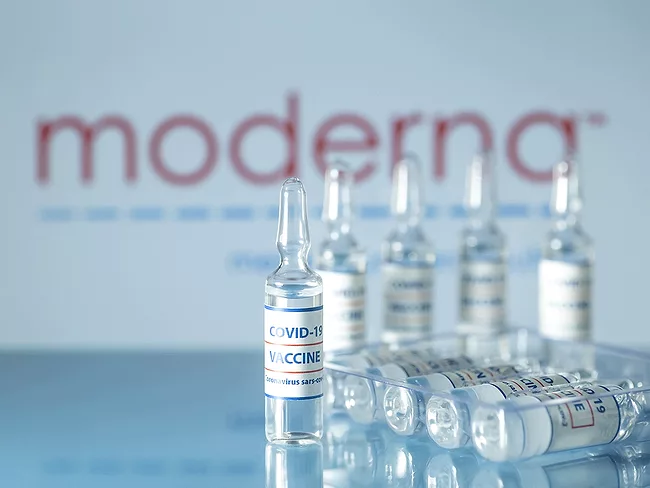
Moderna Inc. reached a milestone of sorts Jan. 31 as the U.S. FDA fully approved its COVID-19 vaccine, Spikevax (elasomeran), for use in adults. Meanwhile, the Moderna and Pfizer Inc.-Biontech SE vaccines are in the sights of the U.S. Congressional Progressive Caucus, which is pushing the Biden administration to do more to ensure global vaccination.
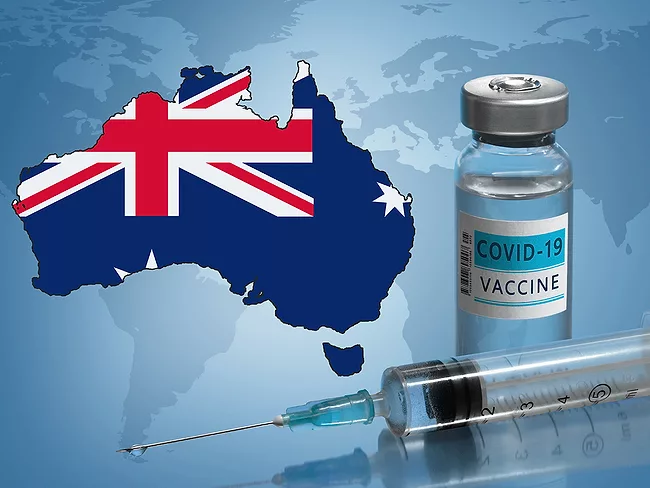
PERTH, Australia – In preparation for easing COVID-19 restrictions and opening its international borders, Australia has added a new vaccine and two new oral antiviral therapies to its arsenal to fight the omicron variant of the SARS-CoV-2 virus that is sweeping the globe. Australia’s Therapeutic Goods Administration granted provisional approval on Jan. 20 to Biocelect Pty Ltd. (on behalf of Novavax Inc.) for its COVID-19 vaccine, Nuvaxovid, as well as two oral antiviral treatments.
South Korea’s Ministry of Food and Drug Safety (MFDS) has greenlighted Novavax Inc.’s Nuvaxovid, making it the first protein-based COVID-19 vaccine to be approved for commercial use in the country. The regulatory win for Novavax adds to emergency use authorizations (EUA) for the product, also known as NVX-CoV2373, in India, Indonesia and the Philippines, as well as an emergency use listing from the World Health Organization. On Jan. 12, the company said it expects to submit an EUA request to the FDA after one month.
Aridis Pharmaceuticals Inc. is one of two companies posting COVID-19 data just days before Christmas. Its fully human monoclonal antibody cocktail, AR-701, was shown to be broadly reactive against COVID-19 variants, including Omicron, in preclinical research. Moderna Inc. also posted new data that showed preliminary neutralizing data against Omicron following 50-mg doses of its vaccine, which is currently authorized, and 100-mg dose boosters, which increased neutralizing antibody levels 83-fold from the pre-boost levels.
The U.K. is stepping up its response to the Omicron COVID-19 variant after the country’s regulatory agency approved Xevudy (sotrovimab), the antibody therapy from Glaxosmithkline plc and Vir Biotechnology Inc. At the same time the country placed orders for 114 million more doses of COVID-19 vaccines from Pfizer Inc. and Moderna Inc., for use in 2022 and 2023.
Pfizer Inc. scored a $5.29 billion deal with the U.S. government to provide 10 million courses of the company’s oral antiviral candidate Paxlovid (PF-07321332; ritonavir) for COVID-19, as Astrazeneca plc and Novavax Inc. also generated news in the space. Paxlovid, if approved or authorized, would be the first oral antiviral of its kind: a 3CL protease inhibitor specifically designed to combat SARS-CoV-2. New York-based Pfizer is seeking emergency use authorization (EUA) from the FDA. Rolling submissions have also commenced in several other countries, and the company continues to build its case for regulatory agencies around the world.
Now that Pfizer Inc.-Biontech SE has submitted initial phase II/III study data to the FDA bolstering the case for an emergency use authorization (EUA) for its COVID-19 vaccine to children ages 5 through 11 years, the competition, including Moderna Inc., Novavax Inc. and Sanofi SA, falls further behind.
Higher antibody titer levels were found in participants receiving two doses of Moderna Inc.’s COVID-19 vaccine compared to those receiving the Pfizer Inc.-Biontech SE vaccine, according to a research letter published in JAMA.