After investing $24 billion in three major acquisitions earlier this year, Bristol Myers Squibb Co. said April 25 it would cut 2,200 employees and discontinue 12 programs in an effort to save $1.5 billion and put the company on track for growth by the end of the decade. The number of jobs lost represent 28% of all biopharma jobs lost so far in 2024 – 7,834, as announced by 82 companies. There were 17,424 jobs lost at 185 companies in 2023 and 18,500 jobs lost at 123 companies in 2022, according to BioWorld data.
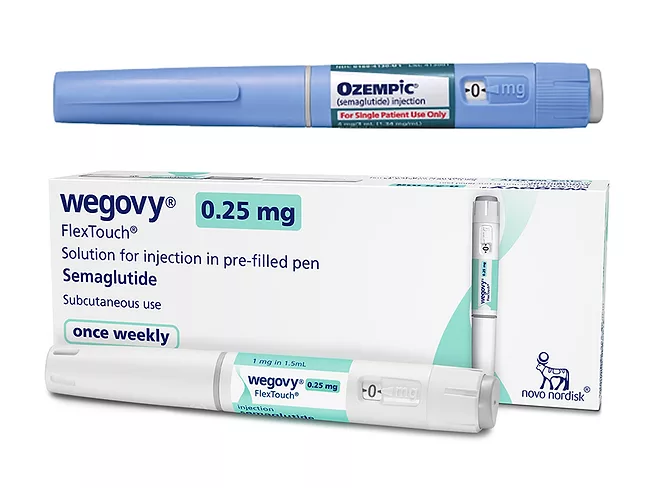
There was a time not that long ago when Merck & Co. Inc.’s Keytruda (pembrolizumab), with its multiple cancer indications, was seen as the heir apparent to Humira’s title of the biggest blockbuster drug. Not anymore. That title now belongs to Novo Nordisk A/S’ semaglutide, approved as Ozempic in 2017 to treat diabetes and as Wegovy in 2021 to help with weight loss.
The process of manufacturing autologous T-cell therapies is technically challenging when compared with other oncology drugs, making the overall cost of developing CAR T therapies significantly higher. A challenging reimbursement environment for drugs listed on China’s National Reimbursement Drug List also means that most patients will have to pay out of pocket to access CAR T therapies. Taken together, complex logistics – production, manufacturing and supply chain – and complicated administration requirements are key bottlenecks that inflate the input costs involved in developing these specialized treatment options.
In the initial quarter of 2024, biopharma deal value totaled $43.99 billion, surpassing the values of two quarters last year and falling short of two others. Biopharma M&As, meanwhile, reached $50.06 billion, marking a decrease from the fourth quarter last year’s $84.03 billion but exceeding the values of the other three quarters.
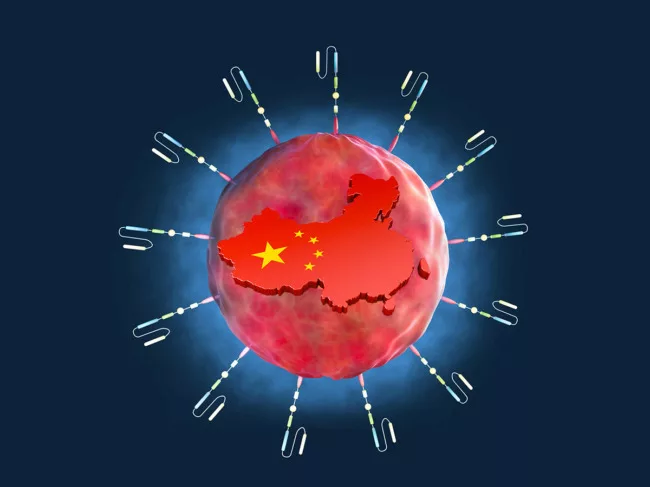
As of Jan. 31, 2024, there were more than 300 CAR T trials registered in China, surpassing the U.S. and becoming the country with the most CAR T therapy clinical trials. Among them, CD19 is the most frequently studied target, according to BioWorld and Cortellis. The rapid evolution of CAR T-cell therapies in China has escalated over the past decade from the start of the first clinical trials in 2013 to the country becoming an established host for CAR T-cell-related trials by 2017, according to Yongxian Hu and researchers from Zhejiang University in Hangzhou, China. Chinese cell therapy companies – backed by $2.37 billion in funding in 2021 – have since significantly increased basic research and trial output for CAR Ts, which was welcomed by large patient demand.
China’s CAR T market is expected to grow from $72 million in 2022 to $342 million over the next decade. There are currently more than 400 CAR T therapies in the pipeline in China, and most of these are being developed by specialized Chinese biotechs. Research by Clarivate plc, BioWorld’s parent company, indicates that a notable proportion of CAR T-cell therapies in late-phase development in China are being developed through strategic partnerships and joint ventures between multinational corporations and domestic companies, including Johnson & Johnson and Nanjing Legend Biotech Corp., Juno Therapeutics Inc. and Wuxi Apptec Co. Ltd., and CASI Pharmaceuticals Inc. and Juventas Cell Therapy Ltd.
Agios Pharmaceuticals Inc.’s fourth-quarter and full-year 2023 financial report in mid-February highlighted further prospects with Pyrukynd (mitapivat), the pyruvate kinase activator for hemolytic anemia in adults with pyruvate kinase deficiency (PKD).
 RSS
RSS