Depending on who you ask, AI will take over the world and save it; or ruin it. Certainly, it is changing it. Science magazine dedicated its first editorial of 2026 to AI. Despite its title – “Resisting AI slop“ – editor-in-chief Holden Thorp gave the sort of nuanced review that is typical of him. “Like many tools, AI will allow the scientific community to do more if it picks the right ways to use it,” he wrote. “The community needs to be careful and not be swept up by the hype surrounding every AI product.”
Insilico Medicine Cayman Topco has announced a multiyear research and development collaboration with Laboratoires Servier SAS focused on identifying and developing novel therapeutics for challenging targets in oncology by leveraging Insilico’s proprietary AI platform, Pharma.AI.
Bayosthiti AI Pvt Ltd. aims to make RNA sequencing and AI-based preventive health care affordable and accessible for the Indian market, leveraging intellectual property from its parent company, Biostate AI Inc.
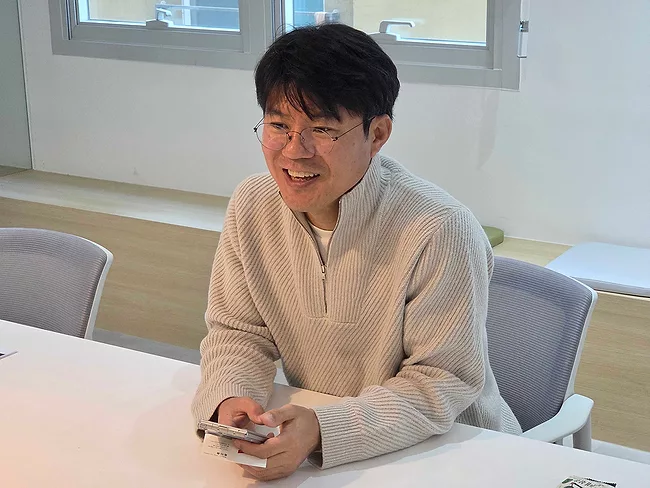
Things once done in laboratories can now be done with computers and AI, said Kim Woo-youn, CEO and cofounder of Hits Inc. “We live in the age of ‘digital alchemy,’” Kim told BioWorld, describing how AI is shifting some drug discovery processes from physical to virtual spaces.
AI Proteins Inc. has closed a $41.5 million series A financing round to accelerate AI-driven design and development of purpose-built miniprotein medicines across therapeutic applications.
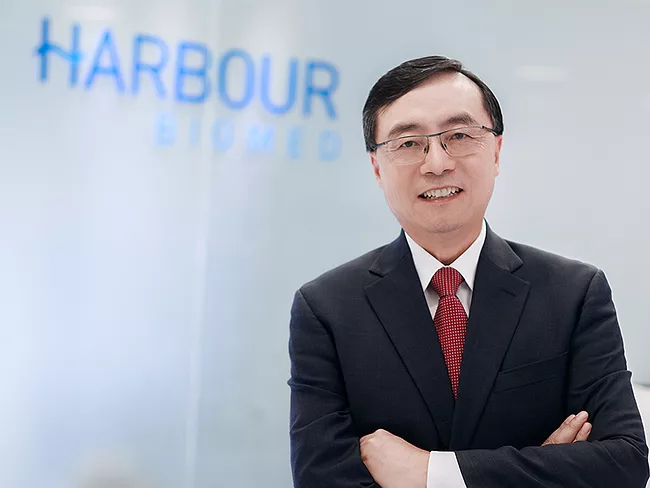
Harbour Biomed is stepping up its antibody discovery process by using AI to develop innovative therapeutics. “We have done great through the traditional way of generating leads and designing molecules, but there’s a major gap as some therapeutics cannot reach the desired location or common targets,” Harbour Biomed founder, chairman and CEO Jingsong Wang told BioWorld.
South Korean researchers led by Lee In-suk of Yonsei University have reported the most complete oral microbiome catalog to date, with more than 72,000 genomes. Detailed in Cell Host & Microbe on Nov. 12, 2025, the database is expected to serve as a universal platform for academia and enable “precision microbiome medicine” for the industry, Lee told BioWorld.
GSK plc and the Fleming Initiative have announced six major new research programs to find new ways to slow the progress of antimicrobial resistance (AMR). The Fleming Initiative is a collaboration established by Imperial College London and Imperial College Healthcare NHS Trust to help tackle AMR. Each of the new programs will begin by early next year and are fully funded for 3 years.
South Korean researchers led by Lee In-suk of Yonsei University have reported the most complete oral microbiome catalog to date, with more than 72,000 genomes. Detailed in Cell Host & Microbe on Nov. 12, 2025, the database is expected to serve as a universal platform for academia and enable “precision microbiome medicine” for the industry, Lee told BioWorld.
A technology that combines transcriptomic data and AI enables a novel approach to drug discovery based on the state of cells, how they behave and which genes they express. The Drugreflector model, developed by scientists at Cellarity Inc., learns from gene expression profiles and predicts which compounds could induce beneficial changes in that cellular state to develop a treatment.

 RSS
RSS