Chugai Pharmaceutical Co. Ltd. and Gero Pte Ltd. have entered into a joint research and license agreement to develop novel therapies for age-related diseases. Chugai will create novel antibody-drug candidates for new drug targets discovered by Gero using its AI target discovery platform.
Researchers at the Massachusetts Institute of Technology and Recursion Pharmaceuticals Inc. have released an open-source AI model that can predict the binding strength of small molecules as well as structures of proteins and biomolecular complexes. The model, which is called Boltz-2 and was released by the research team on the developer platform Github on June 6, addresses a major bottleneck in drug discovery with its improved ability to predict binding strengths.
Scientists at Shanghai Tech University have used the scaffold-hopping artificial intelligence model Geminimol to identify N-methyl-D-aspartate (NMDA) receptor ligands that show selectivity and specificity. The researchers found that GM-10 could be a potent inhibitor of the GluN1/GluN3A subunits of the NMDA receptor, demonstrating the utility of this technique to develop new drugs.
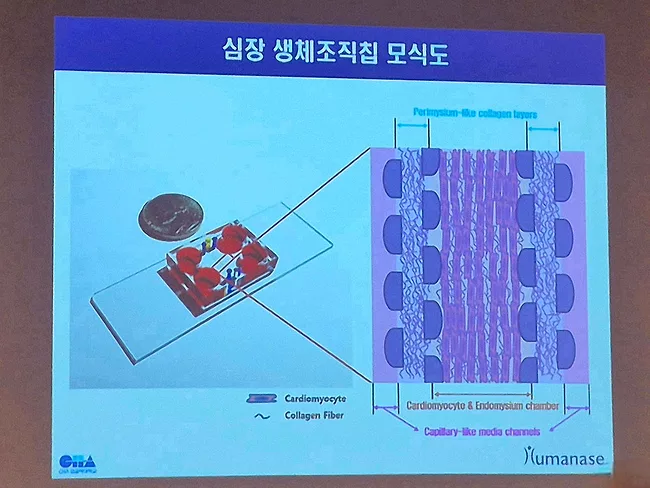
The U.S. FDA’s decision to phase out animal testing for INDs is driving a new market of alternative, nonanimal testing technologies like organoids and organs-on-a-chip, speakers at Bio Korea 2025 said.
Traditional neoantigen prediction methods primarily rely on HLA-peptide binding databases, often producing false positives. This challenge highlights the need for improved strategies to identify truly immunogenic neoantigens. Neoantigen-based cancer vaccines have shown promising efficacy in recent clinical trials for treating solid tumors, offering a potential solution.
Scientists at the Center for Genomic Regulation (CRG) have developed an AI-based tool to design thousands of sequences that regulate DNA. They have also synthesized these molecules, called enhancers, to control gene activation in mouse hematopoietic stem cells, which they have tested in vitro.
The three-dimensional analysis of cell types and their locations by spatial transcriptomics provides key information of their interactions within tissues or organs. Based on this technology, scientists at the Wellcome Sanger Institute have developed an AI tool called Nichecompass, which shows a comprehensive view of the cancer microenvironments, the different cells, their locations, and how they communicate with each other through different molecules inside the tumor. This AI could process data in an hour and compare samples before and after a treatment.
Scientists at the Institute of Cancer Research (ICR) in the U.K. are developing a technology that analyzes, in vitro, how the 3D morphology of cancer cells changes when exposed to a compound, using AI to predict their response to new treatments. The researchers estimate that their methodology could accelerate drug development by 6 years, by ruling out unsuccessful drugs and thus reducing the number of preclinical trials.
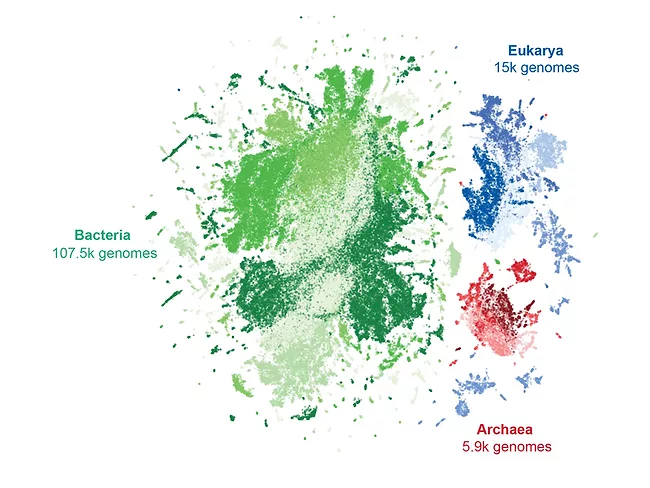
A new version of Evo, the AI developed at the Arc Institute that can be used to design genomes as long as that of a bacterium, has been retrained with the DNA sequences of three domains of life – viruses, bacteria and eukaryotes.
Tevogen Bio Holdings Inc. has expanded its relationship with Microsoft Corp. to broaden their AI-focused collaboration and build its Predictcell technology for predictive precision T-cell targeting.
 RSS
RSS